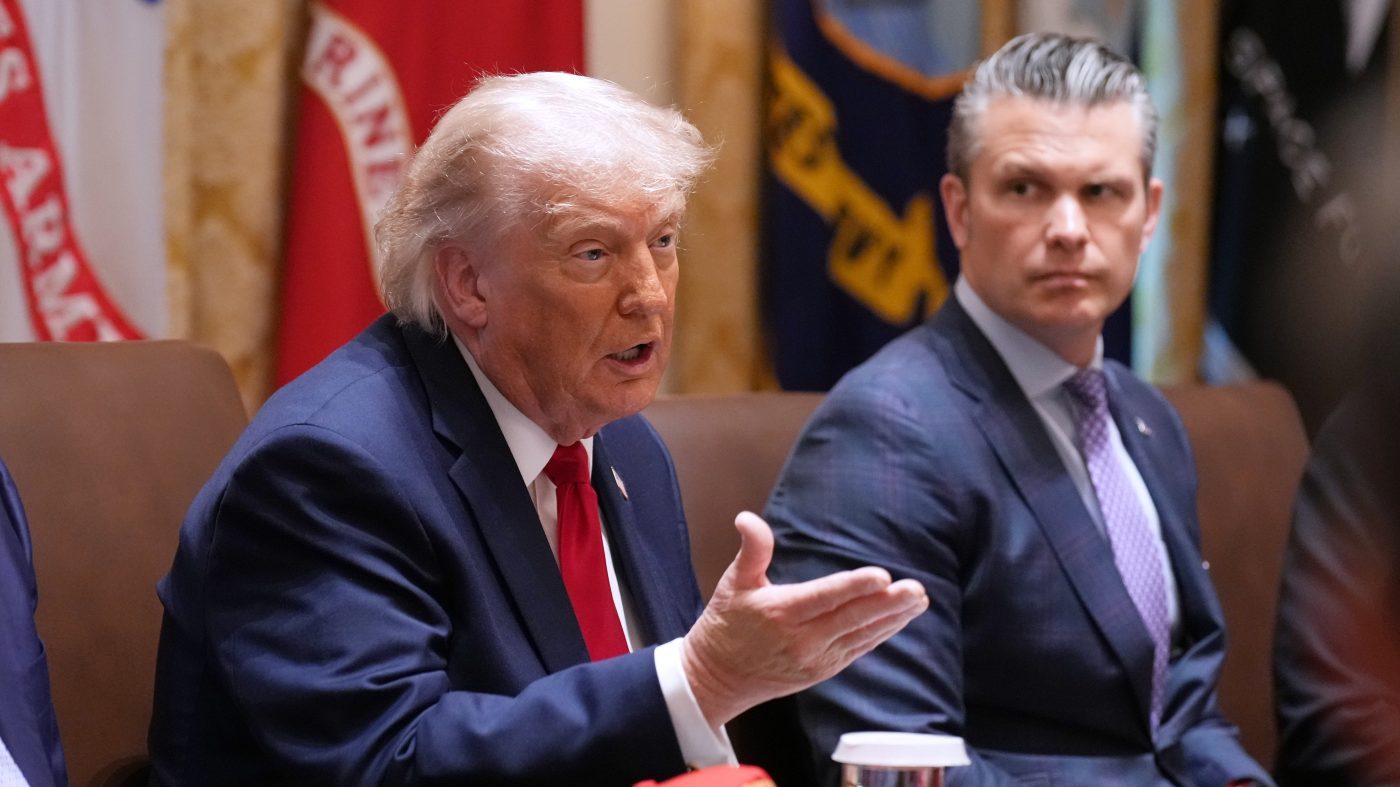
President Trump is set to convene his Cabinet on Friday morning at the presidential retreat in Camp David, Maryland, marking the 13th such gathering since he returned to the Oval Office. The session, scheduled for 11 a.m. EDT, comes at a moment of heightened strain for the administration, as the ongoing military engagement with Iran continues to exact a toll on both the home front and the president's political standing.
White House press secretary Karoline Leavitt teased the meeting as “a lot of fun and something different for the Cabinet to experience together,” suggesting a departure from the usual formal Cabinet sessions. The choice of Camp David, a setting historically used for diplomatic retreats and strategic deliberations, underscores an attempt to foster a more informal and cohesive atmosphere among the president's top advisers.
The gathering unfolds against a backdrop of mounting challenges. The war with Iran has driven up energy prices and inflation, strained military stockpiles, and resulted in U.S. service member casualties, all of which have weighed on public opinion. Recent polling has shown Trump's approval rating sinking to a new low, with the conflict and fuel costs being major drivers of voter discontent.
Beyond foreign policy, the administration has faced hurdles in advancing its domestic legislative priorities through Congress. Republican infighting and narrow majorities have complicated efforts on key issues, and some GOP lawmakers have quietly pushed back against certain White House initiatives, as seen in the recent GOP revolt against Trump's anti-weaponization fund. These internal tensions are likely to be a topic of discussion among Cabinet members, who are tasked with translating the president's agenda into actionable policy.
The Camp David meeting also comes as the administration seeks to project control and unity. The White House has touted the event as an opportunity for the Cabinet to bond and align on strategy, a message intended to counter perceptions of disarray. However, with midterm elections looming and the party's prospects dimming, the stakes are high.
Energy policy remains a flashpoint, with the administration exploring measures to combat high gas prices, including efforts to reopen a shuttered refinery in St. Croix. Such moves are aimed at alleviating the economic pain caused by the Iran conflict, but critics argue they are insufficient and come too late.
The meeting's agenda has not been publicly detailed, but observers expect discussions on war strategy, economic stabilization, and legislative priorities. The president may also use the opportunity to rally his team ahead of a contentious political season, emphasizing the need for a unified front.
As the Cabinet convenes in the Maryland woods, the contrast between the serene setting and the turbulent political landscape is stark. The administration's ability to navigate these crises will likely shape its legacy and electoral fortunes. For now, all eyes are on Camp David, where decisions could reverberate well beyond the retreat's rustic cabins.