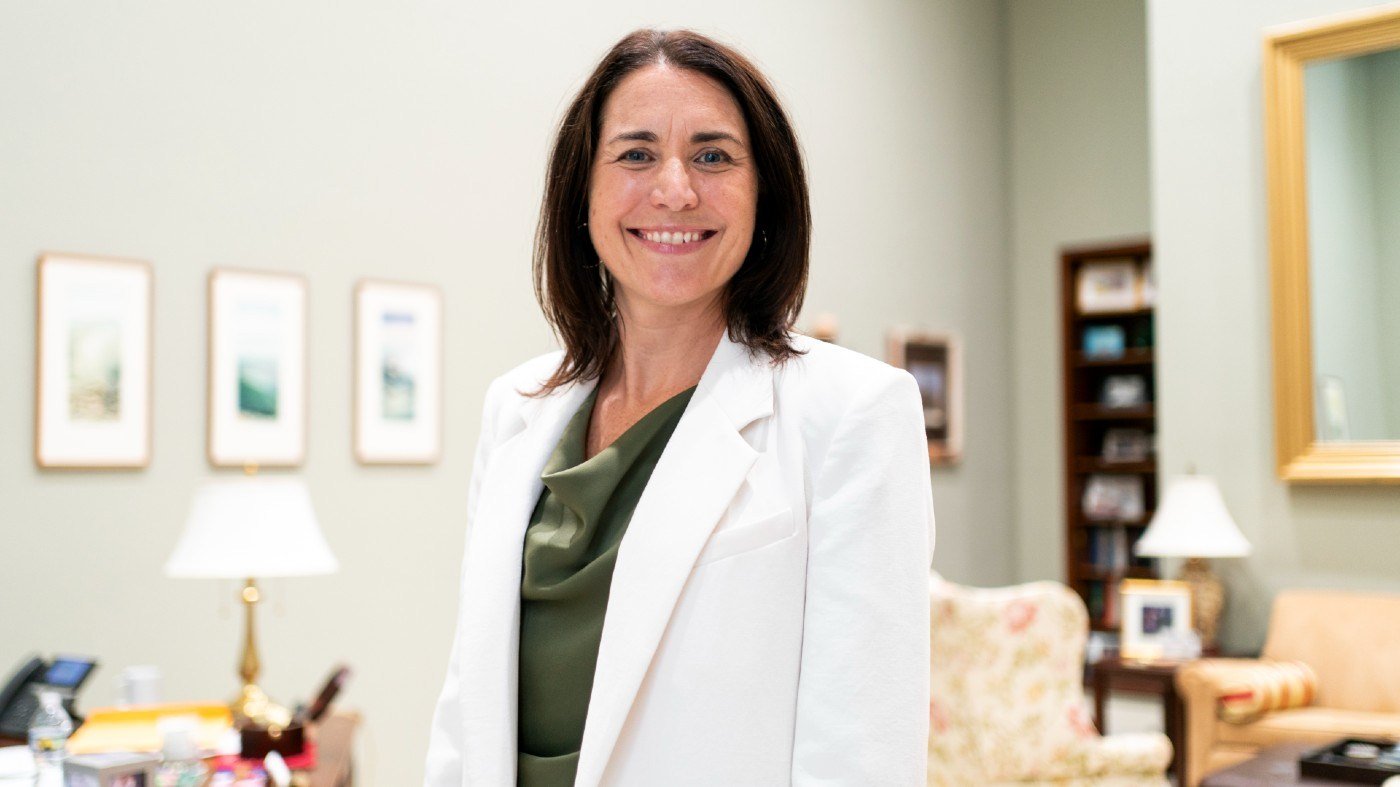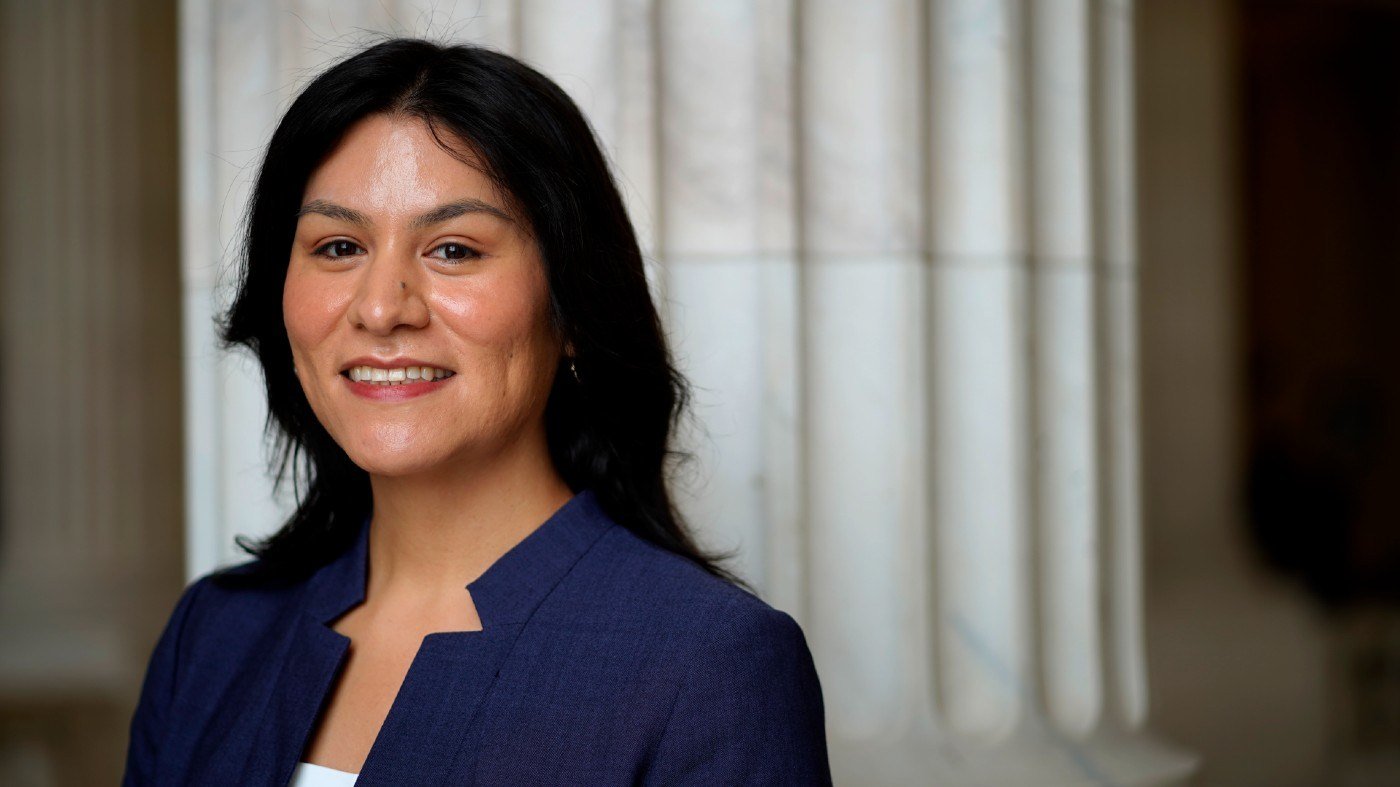
Rubi Flores, 30, has traded the concert stage for the political trenches. As the new policy director for the Congressional Hispanic Caucus (CHC), she is helping steer the influential Democratic group as it braces for a confrontation with the Trump administration over mass deportations and other issues central to Latino communities.
Flores's journey to Capitol Hill is anything but conventional. Born in Mexico, she moved to the United States at age 10 and quickly showed prodigious talent as a pianist and cellist. Music was her first calling, but the soaring costs of elite conservatories slammed that door shut—a moment she describes as a rude awakening to systemic inequality.
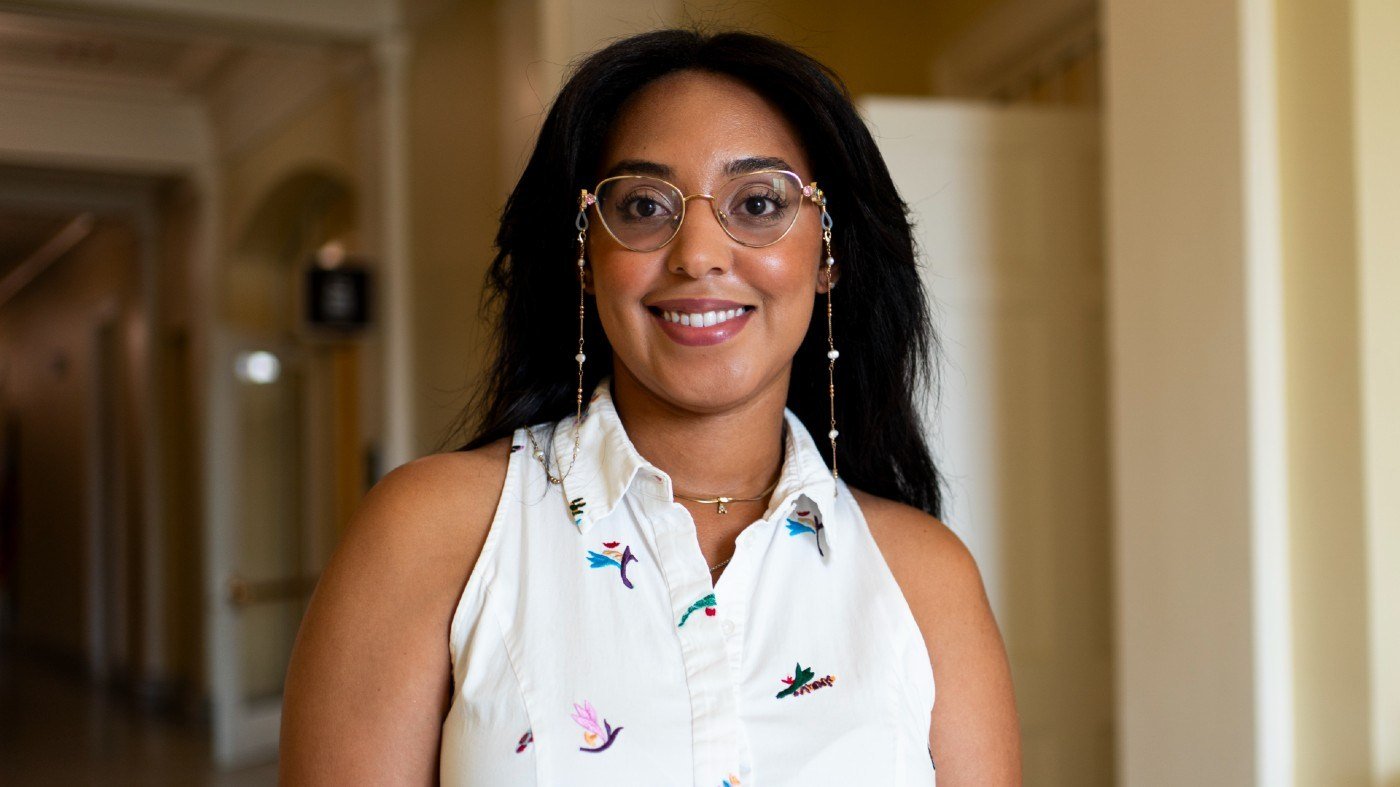
“It was one of the first times that the world told me no, and that made me evaluate, what are the circumstances to led me to not be able to have that dream?” Flores told The Hill. That question, she said, sparked a broader reckoning with global inequities.
College became her launching pad for activism. “Undergrad, leadership positions, and things like this really make you think that, ‘Oh, I can change the world.’ And I wanted to change the world; I wanted to make it a little bit better,” she recalled.
After a Fulbright scholarship in Mexico and an internship at Fwd.us tracking asylum policies globally, Flores landed on the Biden campaign as chief of staff to campaign manager Julie Chávez. That experience, she says, taught her the mechanics of political strategy and coalition-building.
Now at the CHC, Flores is focused on how the caucus can maximize its influence in the minority. The group has been vocal in opposing Trump's immigration agenda, visiting detention centers to document conditions and filing amicus briefs in ongoing litigation. Flores says the caucus is also weighing how to defend its priorities without ceding ground to GOP attacks.
“That's my overall goal to make sure that we have positions that are winnable while staying true to our values and our efforts,” she said, noting that internal programming has explored how to “inoculate themselves from a lot of attacks from the right, and also how to just have an agenda that, while remaining popular, can defend the community.”
Flores's identity as both an immigrant and a trans woman shapes her policy lens. She argues that Democrats must address the shifting political landscape, including the fact that a record share of Latino voters backed Trump in 2024. Her dual perspective, she says, helps the caucus craft messages that resonate while protecting vulnerable populations.
As the CHC gears up for a bruising political season, Flores's blend of artistic discipline and policy acumen may prove essential. Her path—from music to migration to the halls of Congress—illustrates the kind of resilience that defines many immigrant stories, and it now fuels her work in the fight ahead.