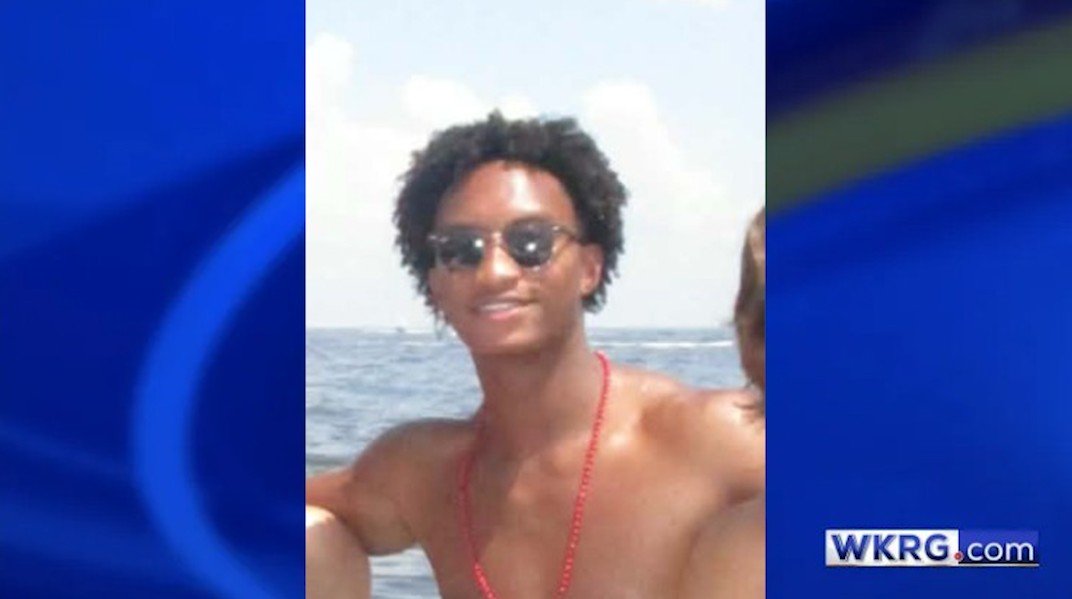
Mississippi officials have finished the state-ordered autopsy of Nolan Wells, the 18-year-old whose disappearance and death on Horn Island last summer drew national scrutiny. But the findings are not yet public, and according to multiple reports, they will remain under seal until presented to a grand jury tasked with determining whether any criminal conduct occurred.
The development marks the latest turn in a case that has fueled widespread speculation and criticism of the initial investigation. Wells vanished from the island on July 4, 2026, after traveling there with friends. He stayed behind when the group departed, and his body was discovered two days later.
Authorities have repeatedly stated that they believe Wells likely died from an accidental drowning. However, that conclusion has been met with skepticism by the family and their advocates, who have pointed to inconsistencies in witness accounts and the circumstances surrounding his disappearance.
An independent autopsy commissioned by the family returned a finding of "undetermined pending investigation," with the pathologist noting several limitations in the examination. That report did not rule out foul play, leaving the cause and manner of death unresolved.
Investigators say they are still working to piece together the hours before Wells went missing, including reviewing audio recordings from that day and attempting to identify the last people seen with him. The continued effort suggests the case remains active, even as the state autopsy moves toward the judicial phase.
The case has also become a flashpoint in broader debates about racial disparities in how missing persons cases are handled. Wells was Black, and his family and supporters have questioned whether race played a role in the speed and thoroughness of the response. Mississippi's track record on such issues has been a recurring theme in national coverage.
Legal experts say the sealing of the autopsy is standard procedure in many jurisdictions, particularly when a grand jury is involved. The grand jury will decide whether there is probable cause to believe a crime was committed, and if so, who might be charged.
The family's attorney has called for transparency, arguing that the public deserves to know the facts. Meanwhile, state officials have defended the process, insisting that the investigation has been thorough and that the grand jury will have access to all relevant evidence.
As the case moves forward, it remains a touchstone for those who see it as emblematic of broader failures in the justice system. Some commentators have drawn parallels between Wells's story and larger political narratives about accountability and trust.
The grand jury's review is expected to take place in the coming weeks. Until then, the autopsy results will remain confidential, leaving the public to await a decision that could reshape the trajectory of this case.