Before Svante Myrick became mayor of Ithaca, New York, he grew up in a family that sometimes depended on food stamps and lacked stable housing. Raised by his mother and grandparents, he learned early that the gap between security and hardship is far narrower than politicians often admit.
At 24, Myrick became Ithaca's youngest mayor and its first mayor of color—a journey he describes as an odyssey of political monsters and budgetary whirlpools. He sees a kinship with Odysseus, the ancient king of Ithaca: both faced trials, though Myrick's were three-hour Common Council meetings rather than the wrath of Poseidon.

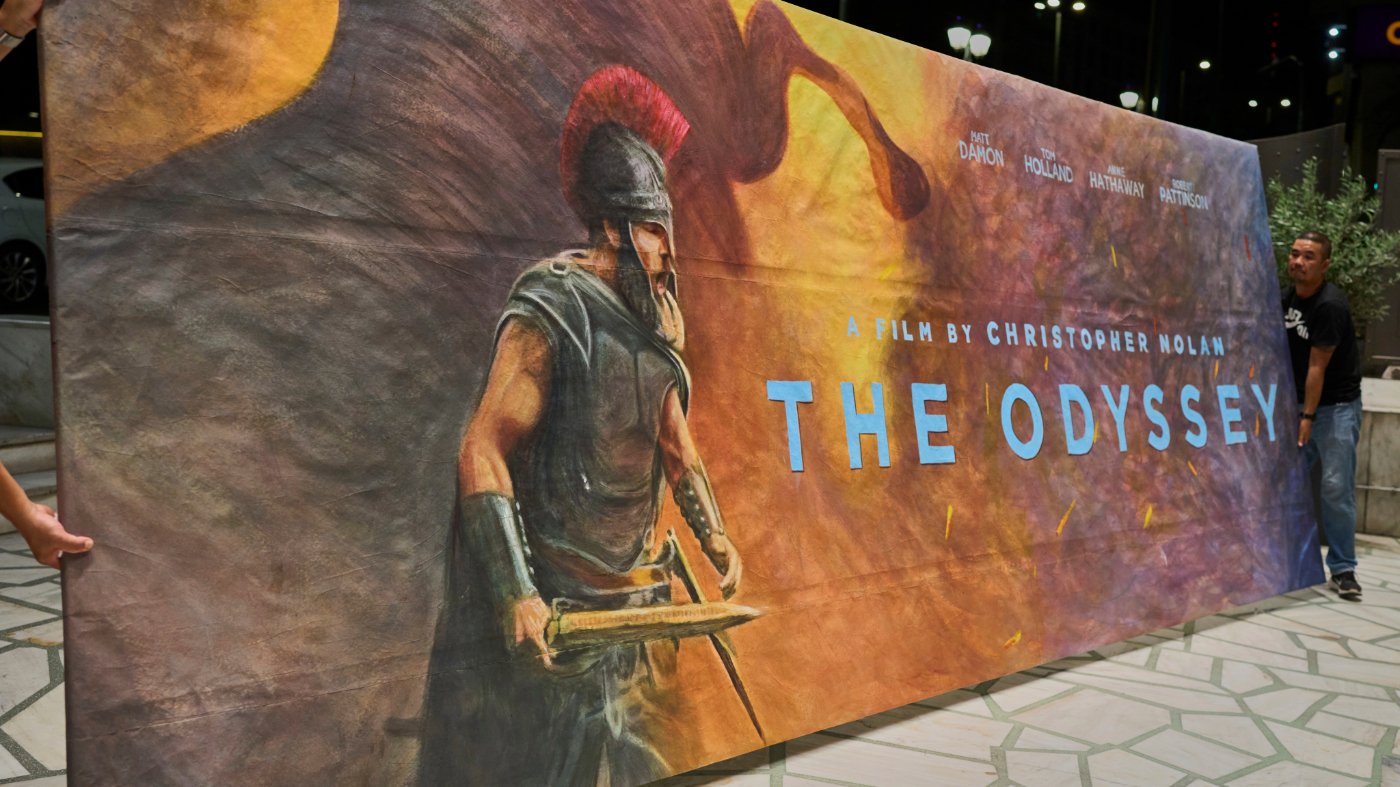
Christopher Nolan's film adaptation of Homer's epic, Myrick writes, is spectacular and morally complex. It doesn't reduce the story to a hero triumphing over monsters; it explores the monsters that power can create within leaders. That's why the film matters politically, he argues: culture shapes politics before elections, teaching us what courage looks like and whether strength means domination or restraint.
Myrick understood this when he ran for office as a young Black man who didn't resemble previous mayors. His election was possible because enough voters could imagine leadership looking different. Political change requires cultural imagination, he says.
The right-wing backlash against Nolan's diverse casting—including Lupita Nyong'o and Elliot Page—reveals deeper anxieties, Myrick argues. Critics like Elon Musk and MAGA commentators claim historical accuracy, but their real complaint is about cultural ownership. They're disturbed that people once excluded from the Western canon can now embody beauty, courage, and power at its center.
But diversity doesn't weaken an immortal story, Myrick writes; it explains why it endures. Each generation enters, challenges, and finds new meaning in Homer's epic. A culture that can't welcome new faces into its greatest stories isn't preserving tradition—it's embalming it.
The Odyssey also warns against greed and unchecked executive power. Odysseus's hubris brings suffering to himself and others. Myrick learned as mayor that leadership requires listening to critics, acknowledging ignorance, and building trust—not commanding or blaming. Unchecked power tells leaders rules are obstacles; the Odyssey warns that intelligence without restraint becomes recklessness, and power without humility points toward disaster.
The suitors in the epic, who consume everything around them, mirror modern oligarchs who accumulate wealth, purchase influence, and treat public institutions as private estates. Yet the deepest lesson is hopeful: Odysseus survives by learning to listen, adapt, accept help, and recognize his limits. Humility isn't the opposite of leadership—it's what prevents tyranny.
Myrick's journey from housing insecurity to City Hall was possible because people imagined someone like him belonged in the room. Every achievement—closing deficits, lowering taxes, building housing—required expanding that political imagination. Odysseus ultimately discovers that getting home requires more than defeating enemies; it requires becoming worthy of home. That's a lesson for every king, president, billionaire, and former mayor—and an odyssey our democracy can still complete.