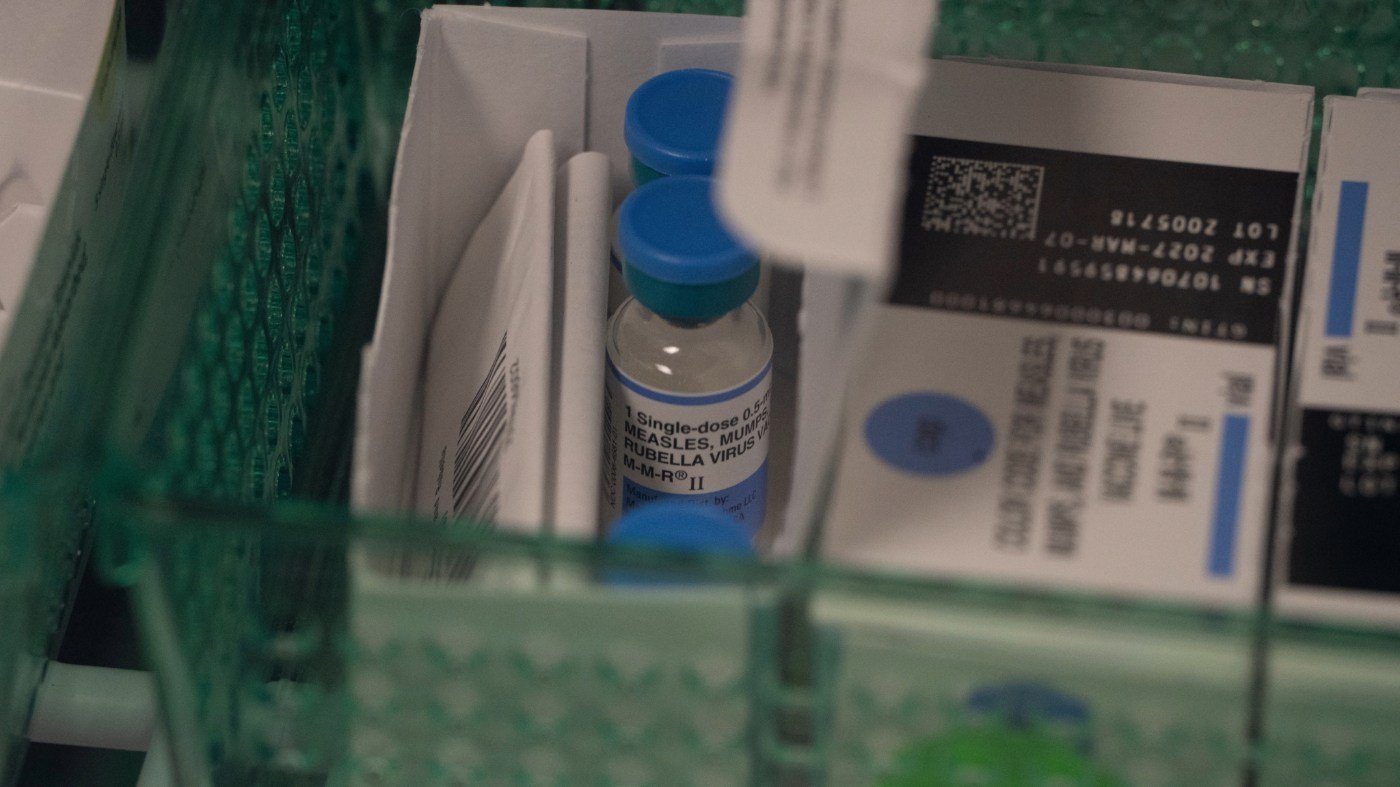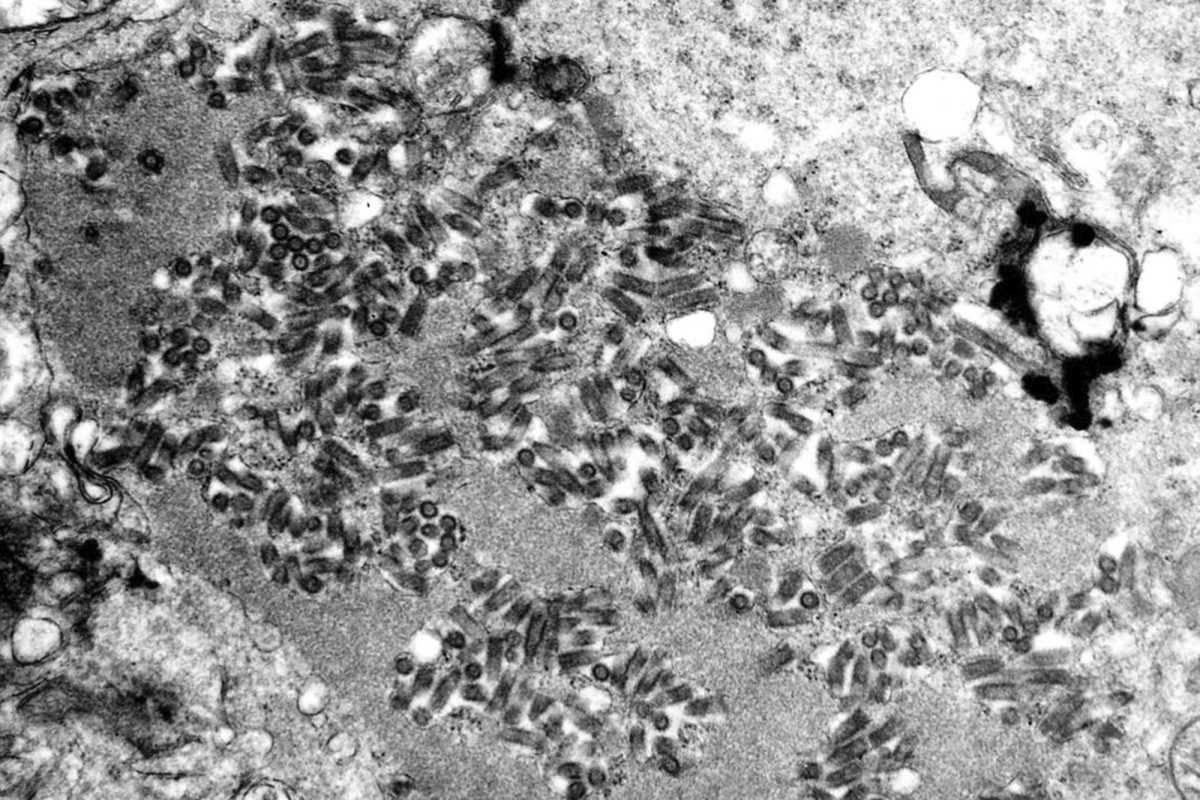
The Centers for Disease Control and Prevention issued a fresh warning Thursday, flagging a notable uptick in human rabies exposure cases and pointing to mistakes in how some patients are being treated after potential encounters with rabid animals.
In a health advisory aimed at clinicians, the agency said inquiries about rabies exposure jumped 17% during July and August compared with the same stretch last year. The CDC attributed the surge to what it described as “several high-profile rabies outbreaks and mass rabies exposure events,” which it said should serve as a reminder of the importance of careful risk assessments and evidence-based use of rabies post-exposure prophylaxis, or PEP.
The advisory comes on the heels of a summer already complicated by foodborne illness scares, including a large recall of chocolate milk over spoilage concerns. But the rabies alert carries a different kind of urgency, as the disease is nearly always fatal once symptoms appear.
“These events underscore the critical need for healthcare providers to remain vigilant in evaluating potential rabies exposures and to administer PEP promptly and correctly,” the CDC stated. The agency specifically highlighted errors in the administration of PEP, which can include improper wound cleaning, delayed vaccination, or failure to administer human rabies immune globulin as recommended.
Public health experts note that rabies remains a rare but serious threat in the United States, with most cases linked to bats, raccoons, skunks, and foxes. The CDC’s warning is intended to prevent lapses in care that could lead to preventable infections.
The increase in reports may also reflect heightened public awareness following recent media coverage of rabies clusters in several states. The agency did not specify which regions were most affected but urged all providers to review their protocols for assessing exposure risk and managing patients who may have had contact with potentially rabid animals.
For patients, the CDC advises immediate washing of any bite or scratch wounds with soap and water and seeking medical attention without delay. PEP, which consists of a series of vaccinations and, in some cases, immunoglobulin, is highly effective when administered soon after exposure.
The advisory also comes as the Biden administration continues to push for stronger public health infrastructure, a theme that has resonated amid ongoing concerns about infectious disease threats. While rabies is not transmitted person-to-person, the CDC’s alert highlights the broader need for consistent adherence to clinical guidelines in emergency settings.
Health officials are particularly worried about the potential for mass exposure events, such as when a rabid animal enters a crowded public space, leading to numerous potential exposures in a short period. In such scenarios, the risk of errors in triage and treatment increases, making the CDC’s guidance all the more critical.
The agency is encouraging healthcare systems to use the advisory as a prompt to train staff on rabies risk assessments and to ensure that PEP supplies are readily available. It also reminded providers to report any suspected rabies cases to local or state health departments to aid in surveillance and response efforts.