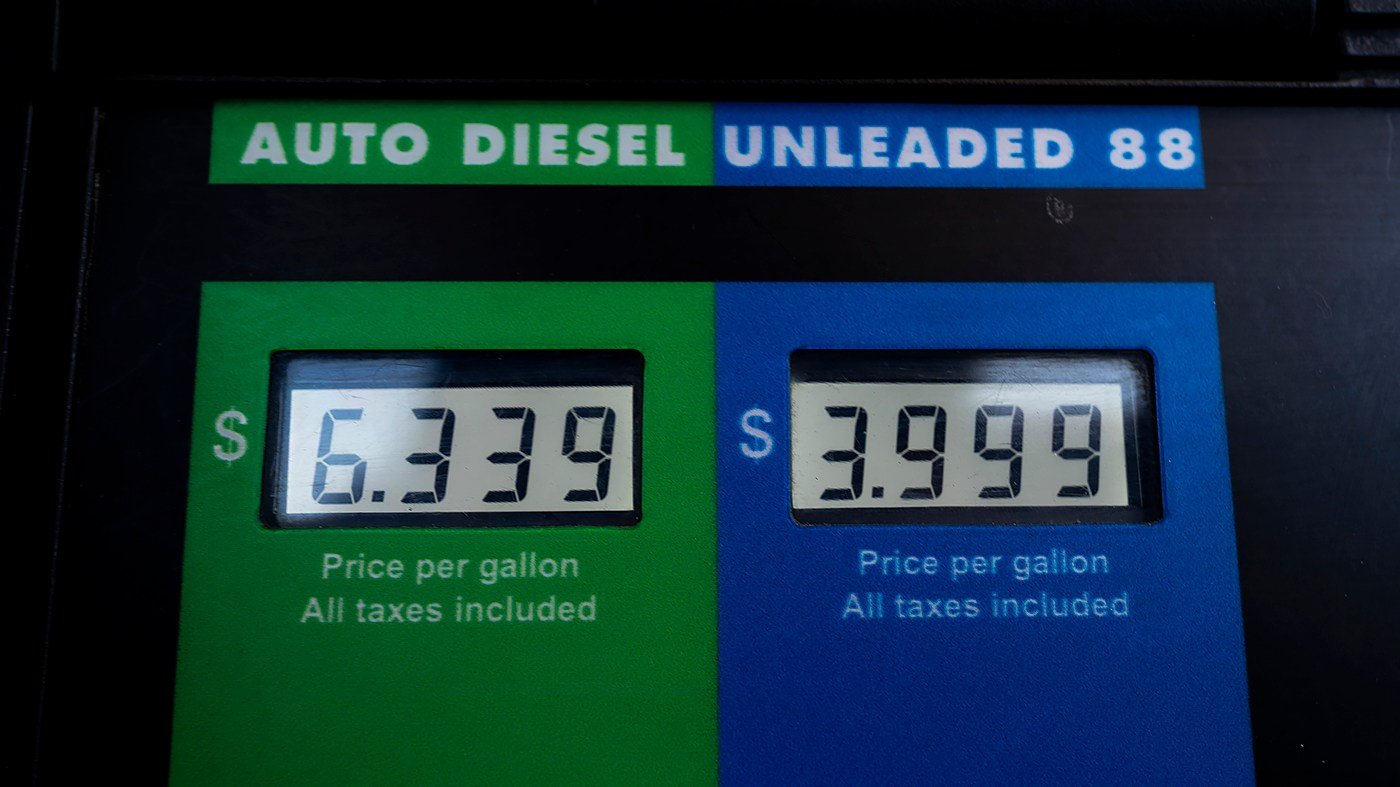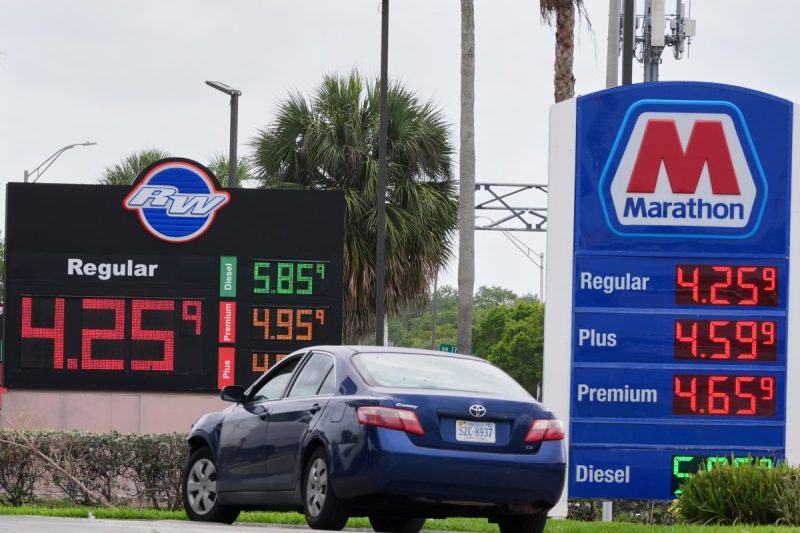
American drivers are facing renewed pressure at the pump as gasoline prices continue their upward trajectory, defying recent policy interventions aimed at providing relief. According to the latest data from AAA, the national average for regular unleaded fuel has climbed to $4.081 per gallon, marking a significant increase from $3.981 just one week ago and representing the highest nationwide average since 2022.
Eighteen states have now crossed the psychologically significant $4 per gallon threshold, with seven more jurisdictions poised to join them in the coming days if current trends persist. This surge follows a month in which prices spiked by more than one dollar per gallon across thirty states, creating financial strain for households and complicating the economic landscape during an election year.
Regional Disparities and Record Proximity
The burden remains unevenly distributed geographically. California, Hawaii, and Washington continue to stand apart as the only states where averages have surpassed $5 per gallon. California's statewide average now hovers just eleven cents below $6, while Hawaii's $5.503 average places it within twelve cents of its all-time record set in 2022.
These increases have occurred despite administrative actions, including the authorization of widespread sales of a cheaper fuel blend. The limited effectiveness of these measures highlights the complex global factors influencing domestic energy markets, where some policymakers argue that lasting relief requires addressing international instability rather than temporary domestic fixes.
International Context and Market Pressures
The price surge cannot be divorced from escalating tensions in critical oil-producing regions. Ongoing conflict involving Iran has introduced volatility into global crude markets, affecting refined products like gasoline and jet fuel. The strategic importance of maritime chokepoints has come into sharp focus, with Iran's posture in the Strait of Hormuz directly testing U.S. foreign policy and impacting energy prices.
This geopolitical friction has ripple effects beyond the pump. The aviation sector is experiencing parallel strain, as carriers respond to soaring jet fuel costs by cutting flights and raising ticket prices. Meanwhile, diplomatic efforts continue, with Pakistan attempting to mediate talks between Washington and Tehran as the regional standoff extends into its second month.
Some military analysts suggest a potential resolution could be on the horizon. Retired General Jack Keane has forecast that the current Iran conflict could reach a resolution within the next sixty days, a development that would likely ease upward pressure on oil markets. However, other actors threaten to expand the conflict, as Yemen's Houthi movement has issued direct threats to intervene if the United States or Israel cross unspecified "red lines".
Domestic Political and Regulatory Landscape
The rising cost of energy is set against a backdrop of significant domestic policy shifts. In a separate regulatory arena, the Federal Communications Commission is considering major changes to sports broadcasting blackout rules as consumers also face increasing prices for streaming services. Meanwhile, the Commodity Futures Trading Commission has taken assertive action against states, filing preemption lawsuits challenging state-level crackdowns on prediction markets.
The political dimension is inescapable. With the national average breaking above $4 for the first time in two years, fuel costs are certain to feature prominently in campaign rhetoric and policy debates. The persistence of high prices, despite targeted interventions, underscores the limitations of domestic tools in a globally interconnected energy market and sets the stage for continued political friction over economic stewardship.