
In a Sunday television interview, Maryland Democratic Governor Wes Moore positioned geopolitical stability as the central remedy for high fuel costs, arguing that disengagement from foreign conflicts would provide more substantial relief than temporary state-level tax suspensions.
When pressed by CBS News's Ed O'Keefe on 'Face the Nation' about the possibility of instituting a gas tax holiday in Maryland—a state with some of the nation's highest fuel levies—Moore redirected the conversation toward foreign policy. "The most effective action we could take to address gas prices is to stop fighting foreign wars and stop watching gas prices jump up over a dollar," the governor stated.
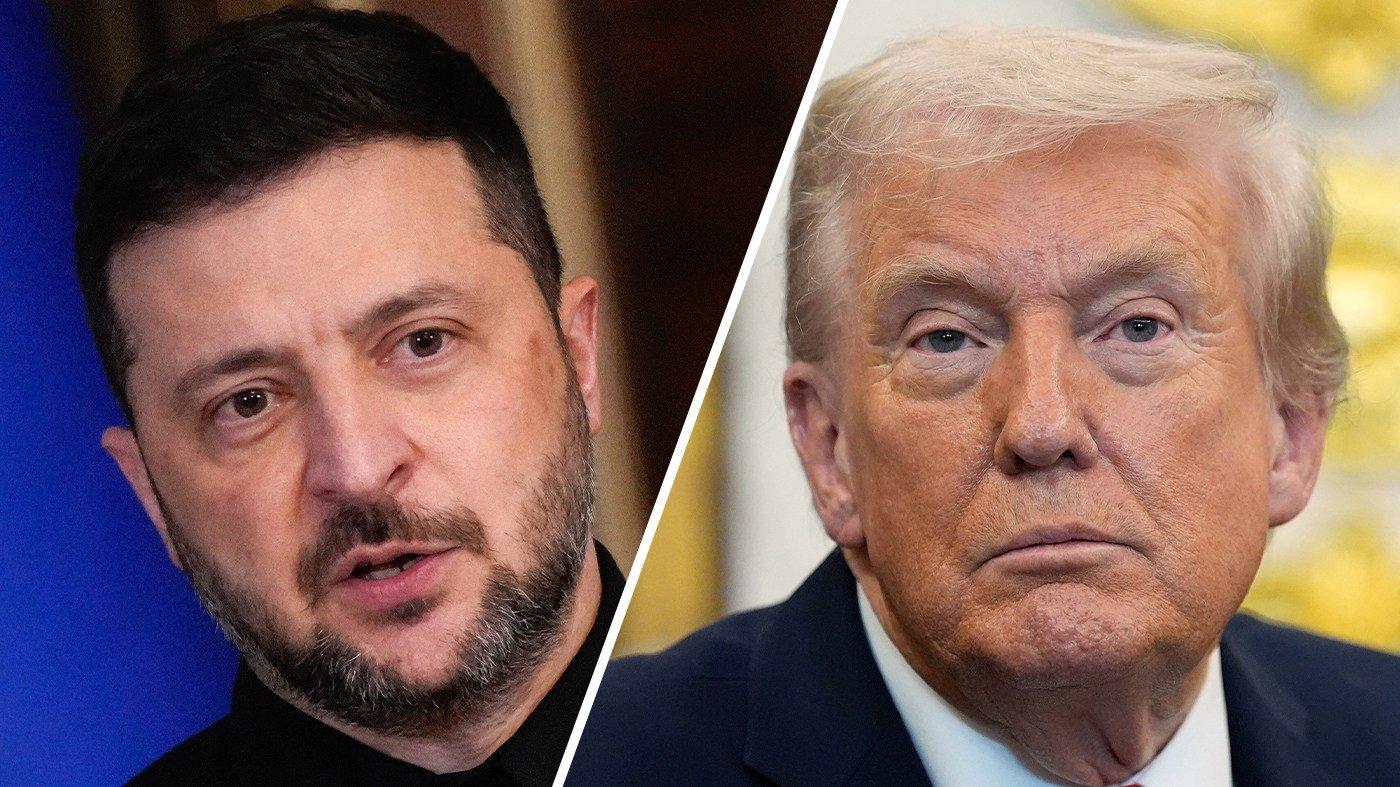
Moore's comments arrive amid heightened U.S.-Israeli military coordination against Iran, a situation that has directly impacted a critical global oil chokepoint. Iranian control has effectively closed the Strait of Hormuz, a vital maritime passage for the oil industry, complicating the Trump administration's strategic calculations for disengagement from the region.
The energy market impact is already measurable. According to AAA, the national average for a gallon of regular gasoline has surged to approximately $4.11, a significant increase from around $3.25 just one month prior. This spike underscores the direct link between geopolitical instability in oil-producing regions and consumer costs, a connection Moore emphasized in his critique of piecemeal solutions.
President Donald Trump addressed the crisis directly on Sunday, issuing a stark threat via Truth Social aimed at Iranian leadership. He warned of strikes against Iranian infrastructure, demanding, "Open the F---in' Strait, you crazy bastards," and promised a devastating response dubbed "Power Plant Day, and Bridge Day." This aggressive rhetoric highlights the administration's focus on securing the waterway, a move seen as essential to stabilizing global oil supplies and, by extension, domestic prices.
The governor's stance places him at odds with proposals for temporary fiscal fixes, suggesting a belief that state executives have limited power to counteract global commodity shocks driven by international events. His argument implies that federal foreign policy decisions, rather than state tax policy, are the dominant lever affecting pump prices.
This perspective emerges as the administration navigates complex defense and energy priorities. Recent moves, such as mandating historic ethanol blending levels, demonstrate efforts to bolster domestic energy alternatives. Simultaneously, the escalating situation with Iran, including Tehran's claims of destroying a U.S. aircraft, continues to inject volatility into markets.
Moore's intervention into national energy and foreign policy debates signals a governor looking beyond state borders to diagnose economic pressures on his constituents. By framing gas prices as a consequence of war rather than taxation, he challenges the policy toolbox typically available to state leaders and calls attention to the foundational role of international security in domestic economic conditions.