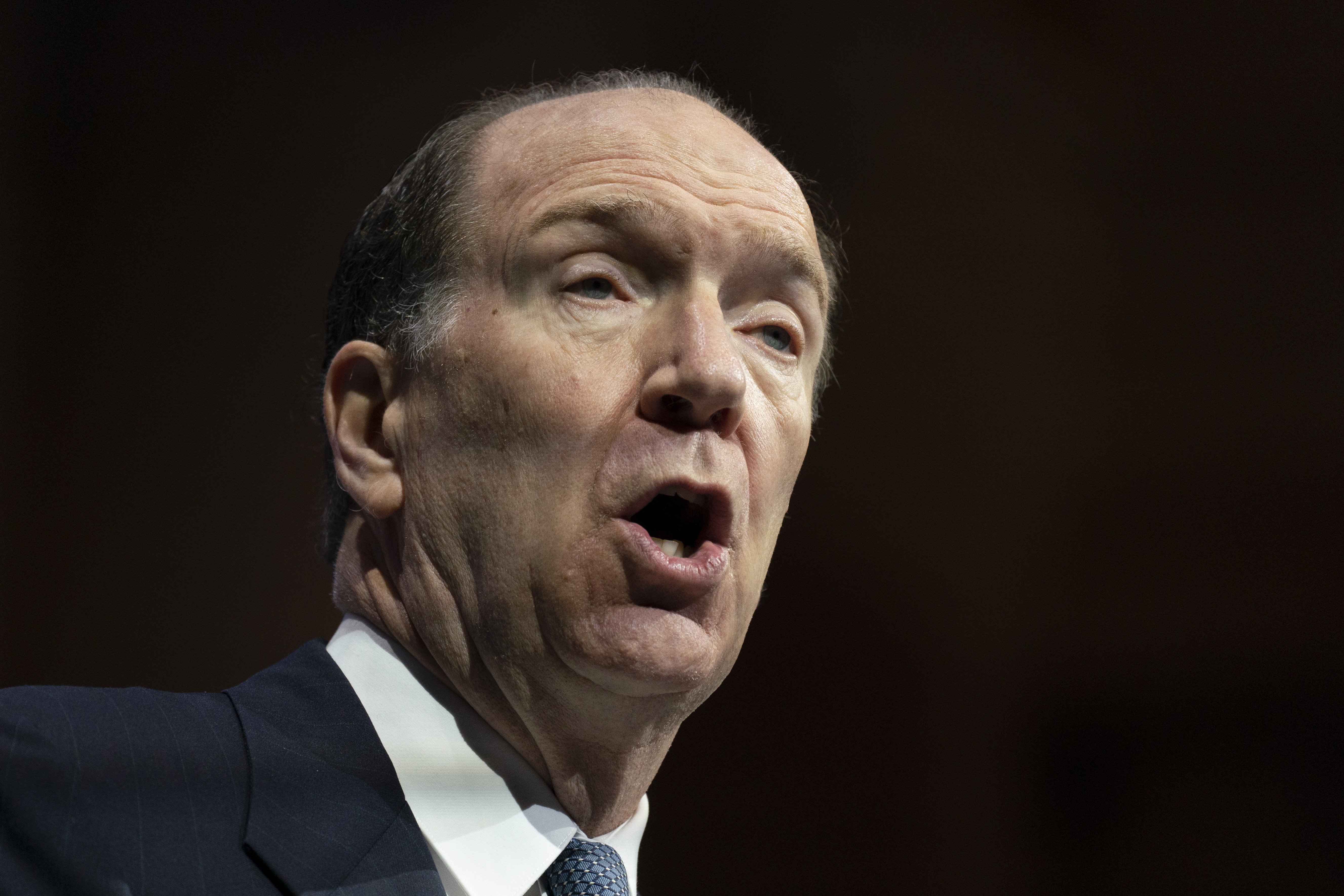
Former World Bank President David Malpass issued a stark warning Sunday that Iran's deteriorating economy could regress to a primitive barter system as its financial crisis deepens amid ongoing military conflict with the United States and Israel. Malpass suggested that desperate citizens are already trading possessions and services for basic necessities like food.
Economic Freefall and Social Unrest
Iran's economic troubles have been building for months, marked by a collapsing national currency and runaway inflation that sparked widespread protests earlier this year. The severity of the crisis forced the resignation of Central Bank chief Mohammad Reza Farzin. New state data reveals the situation is worsening, with prices for essential goods continuing their dramatic climb.
According to reports from Iran International, basic food costs have more than doubled in the past year. The price of bread has surged 140 percent, while meat products have risen 135 percent. Costs for fruits, nuts, and dairy have also increased by over 100 percent, placing immense strain on ordinary Iranians.
Infrastructure Attacks Compound Crisis
The economic collapse has been accelerated by military strikes targeting Iranian infrastructure. Recent U.S. and Israeli attacks have knocked out power in parts of Tehran, crippling the digital systems modern banking relies upon. "It's very hard to run a banking system without internet and also without... electricity," Malpass noted, highlighting how conflict directly undermines economic function.
One such strike reportedly hit an administrative building linked to Bank Sepah, one of Iran's largest public financial institutions. Malpass predicted these conditions would lead to severe shortages across the country, increasing pressure on the Tehran government. "Whether they crack down, we'll have to see what their response is," he added.
Global Energy Markets and U.S. Posture
The conflict's repercussions extend beyond Iran's borders. Tehran's de facto blockade of the critical Strait of Hormuz oil passage has driven international benchmark Brent crude to $109 per barrel, triggering spikes in global fuel and food prices. This has raised alarms that a prolonged regional war could reignite worldwide inflation, a concern echoed by figures like JPMorgan Chase CEO Jamie Dimon, who has warned the conflict could push the global economy into recession.
President Trump has escalated tensions, threatening strikes on Iranian power plants if the regime refuses to negotiate and setting a Monday deadline to reopen the Strait of Hormuz, vowing severe consequences if it is not met. This standoff occurs as Pakistan attempts to mediate talks between Washington and Tehran to de-escalate the month-old conflict.
Despite the global economic turbulence, Malpass argued the United States is relatively insulated due to its domestic energy production and capacity for innovation. "I do have to say, quite a bit of the world is not as fortunate as the United States in terms of energy production and also in terms of innovation, the ability to reinvent ourselves very quickly," he stated.
The situation presents a complex challenge for the Biden administration, which is simultaneously grappling with a deepening impasse over Homeland Security funding in Congress. As Iran's internal crisis worsens and the conflict risks further regional expansion—evidenced by recent Houthi missile attacks on Israel—the potential for broader economic and geopolitical fallout continues to grow.