Congress concluded a tumultuous legislative day on Friday with both chambers passing separate measures to fund the Department of Homeland Security, yet failing to break a 42-day partial government shutdown. The divergent bills highlight a fundamental and widening rift between Democrats and Republicans over immigration enforcement policy, ensuring the stalemate will continue through a scheduled two-week recess and set a new record for the longest shutdown in U.S. history.
Core Dispute: Immigration Enforcement Funding
The central conflict remains unchanged since the shutdown began on February 14: whether to fund U.S. Immigration and Customs Enforcement (ICE) and Border Patrol while broader policing reforms are negotiated. The fatal shootings of two American protestors in Minneapolis earlier this year intensified Democratic demands for stricter oversight of federal immigration agents, a stance reflected in the Senate's bipartisan bill. That legislation, which passed unanimously, denied funding to enforcement operations. In contrast, the House Republican bill, passed without Democratic support, funds the entire DHS—including ICE and Border Patrol—at current levels for an eight-week period.
No Resolution in Sight
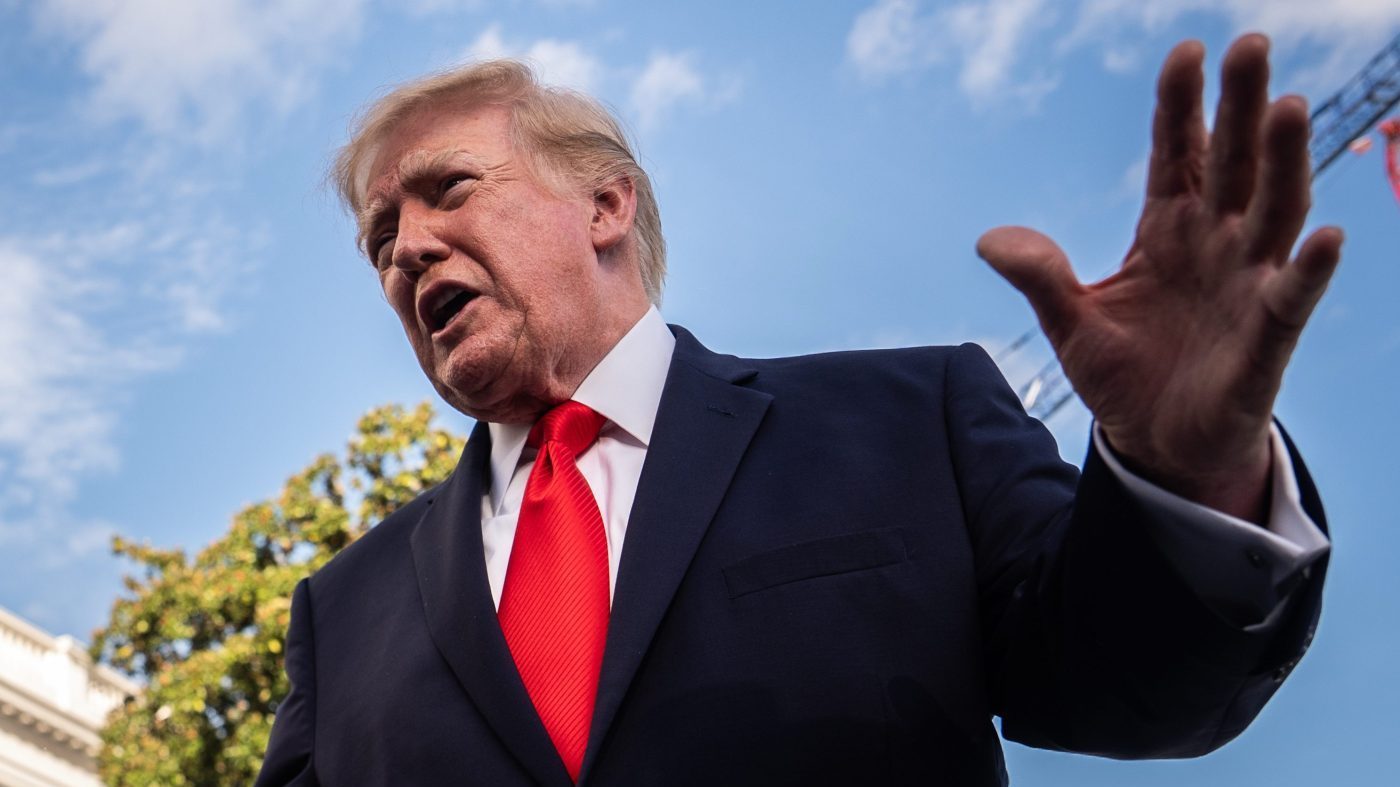
With both parties entrenched, the shutdown is now guaranteed to surpass last year's 43-day record. Senate Minority Leader Chuck Schumer has already declared the House bill dead on arrival in the upper chamber. The pressure on lawmakers was partially alleviated on Friday when President Trump signed an executive order shifting funds to pay Transportation Security Administration agents, who had been working without pay. The TSA workforce crisis, which led to widespread call-outs, resignations, and chaotic airport delays, had been a primary point of public and political pressure.
Republican Rifts and House Freedom Caucus Power
While House Republicans voted en masse for their party's stopgap bill, the show of unity masked significant internal divisions. The far-right Freedom Caucus successfully pushed leadership to reject the Senate agreement and insist on full funding for border agencies, along with adding voter ID requirements. The decision to break from the Senate, whose bill was sponsored by Majority Leader John Thune, alarmed more moderate Republicans who fear the party will bear sole blame for the extended shutdown.
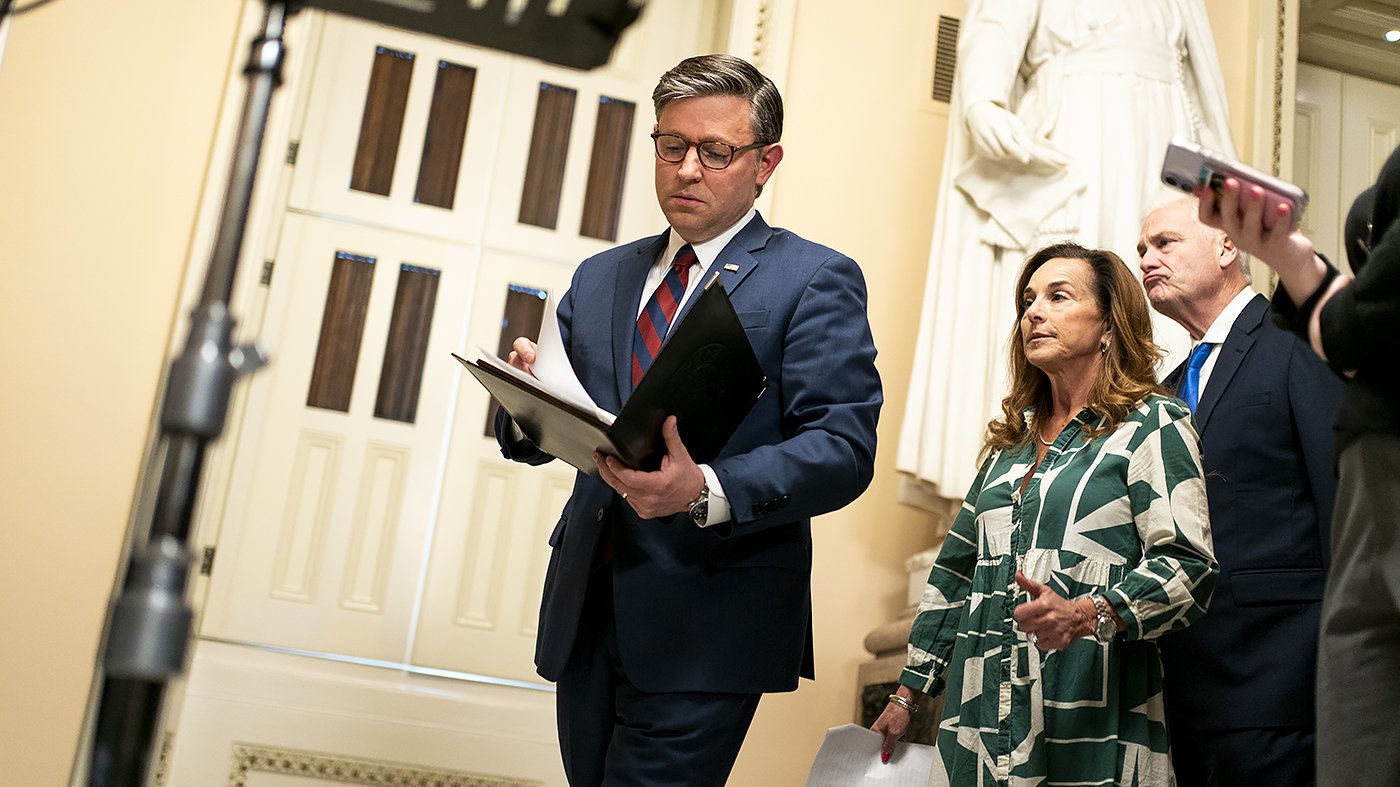
Speaker Mike Johnson openly criticized the Senate's work. "This gambit that was done last night is a joke," Johnson said. "I'm quite convinced that it can't be that every Senate Republican read the language of this bill." The episode starkly illustrated the leverage a small bloc holds over Johnson's razor-thin majority, with Freedom Caucus Chair Andy Harris stating, "The only thing we're going to support is adding that funding into the bill, adding voter ID, sending it back to the Senate... this deal is bad for America."
Democratic Victory Evaporates
Democrats, who appeared poised for a legislative win, saw their opportunity vanish. They had championed efforts to fund DHS agencies while separating out and withholding money from ICE and CBP. The Senate bill, while not identical to a House Democratic proposal led by Appropriations Committee ranking member Rosa DeLauro, shared that core feature. Some House Democrats were even prepared to take the extraordinary step of crossing party lines to help pass a procedural rule to advance the Senate measure—a rare break in discipline for a vote typically seen as a test of loyalty. The House GOP's rejection of the Senate deal nullified that potential victory.
Broader Political and Legal Context
The funding fight occurs alongside other escalating federal-state tensions. Minnesota officials are currently in a legal battle with the federal government over evidence related to the protestor shootings that helped catalyze this debate. Furthermore, the Trump administration continues to leverage federal authority in cultural conflicts, as seen in its escalating legal actions against universities like Harvard and UCLA over antisemitism allegations.
With Congress now in recess, thousands of DHS employees will continue to work without guaranteed pay, and the political standoff ensures the partial shutdown will drag on indefinitely. The episode underscores a Congress increasingly defined by intra-party factionalism and an inability to resolve fundamental policy disagreements, even under the pressure of a record-breaking government closure.