The Trump administration is rolling out a plan to overhaul how the U.S. handles plastic waste, betting on a technology that can essentially unmake plastic and turn it back into raw materials. Environmental Protection Agency Administrator Lee Zeldin argues that current regulations are stifling an industry poised to deliver both environmental and economic gains.
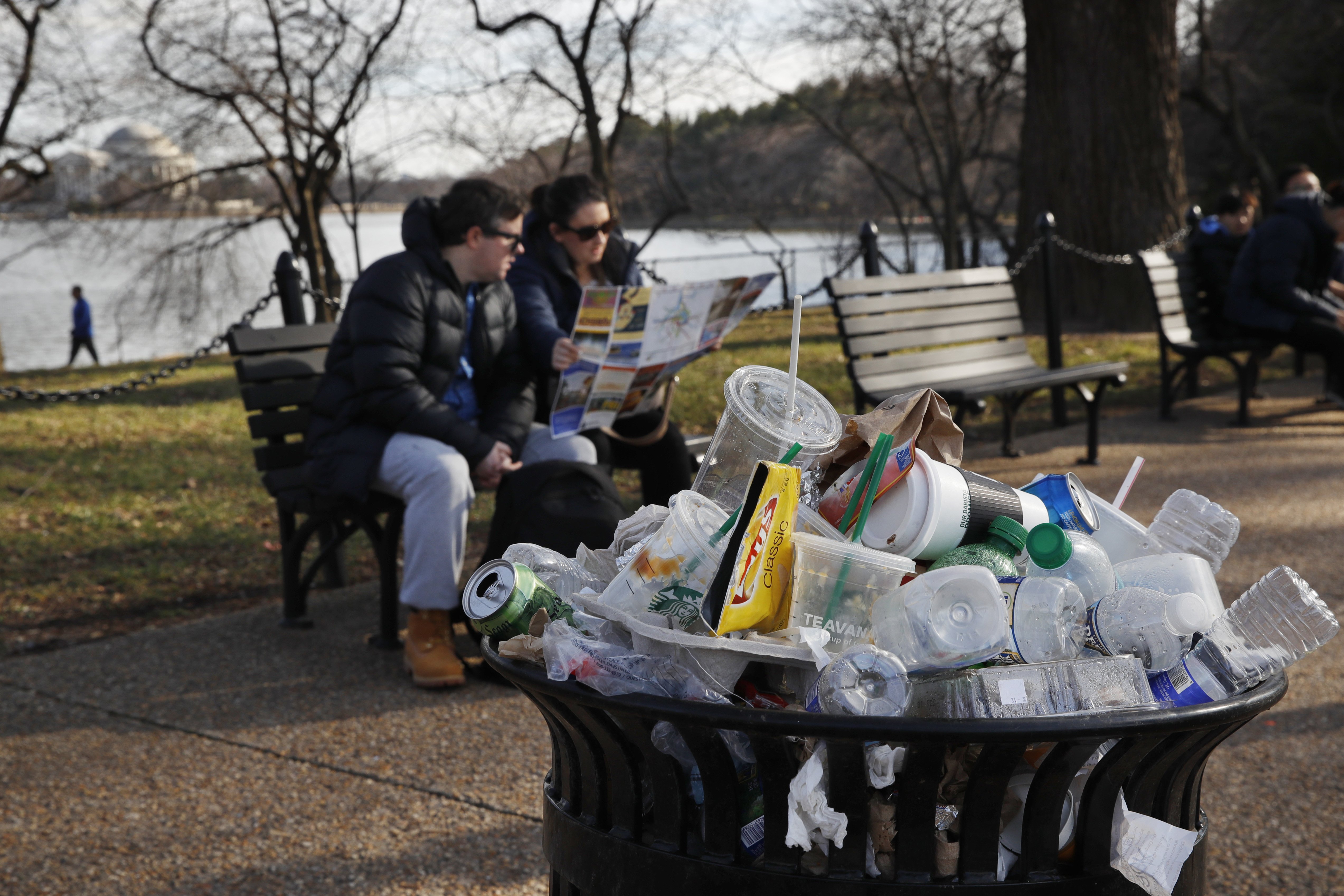
Plastic is embedded in nearly every sector of the economy, from healthcare and automotive to construction and consumer goods. The plastics industry employed over 660,000 workers across 45 states and Puerto Rico in 2023, generating $358 billion in gross output, according to industry data. Yet the same durability that makes plastic valuable also makes it a persistent pollutant. In 2018, the U.S. produced 35.7 million tons of plastic waste, with 27 million tons ending up in landfills where it can linger for centuries.

The Promise of Advanced Recycling
Conventional recycling has struggled to compete with the low cost of virgin plastic production. Advanced recycling, particularly a process called pyrolysis, offers a different approach. It uses high heat in an oxygen-free environment to break plastic down into pyrolysis oil, a material nearly identical to crude oil. This oil can then be used to make new plastic or other products, effectively creating a closed-loop system.
Zeldin visited ExxonMobil's advanced recycling facility in Baytown, Texas, in September, where the company has processed 50,000 tons of hard-to-recycle plastic waste. Despite such progress, the U.S. lags behind other regions. Fewer than 10 advanced recycling facilities operate in the country, and that number is shrinking as closures accelerate. In contrast, Europe already has at least twice as many facilities and plans to reach 65 by 2030. The Asia-Pacific region is the fastest-growing market, with projected revenues of $7.3 billion by 2030.
Regulatory Hurdles
Nearly 90 potential advanced recycling facilities are ready to be built in the U.S., but they are stalled by regulatory uncertainty. The Clean Air Act currently classifies pyrolysis as incineration, a designation that Zeldin says was never intended for this technology. Only 25 states have specific regulations for advanced recycling; the rest treat it as solid waste management, imposing burdensome rules.
As part of the Trump administration's Powering the Great American Comeback initiative, the EPA is reexamining these rules. The agency is now accepting public comments on a proposal to reclassify advanced recycling as manufacturing under the Clean Air Act. This change would free companies from restrictions designed for incinerators and landfills, while still maintaining environmental standards.
"This common-sense fix could unleash the full potential of advanced recycling in America," Zeldin wrote. The EPA estimates the industry could add more than 173,000 jobs and nearly $13 billion in annual payroll. The push comes amid broader political debates, including a poll showing 77% of voters hold Trump accountable for surging gas prices amid the Iran crisis, and Democrats divided over midterm strategy.
The EPA's move is seen as a bid to secure U.S. leadership in a rapidly growing global market. Without investment now, Zeldin warned, America risks losing both an environmental opportunity and a major economic one.