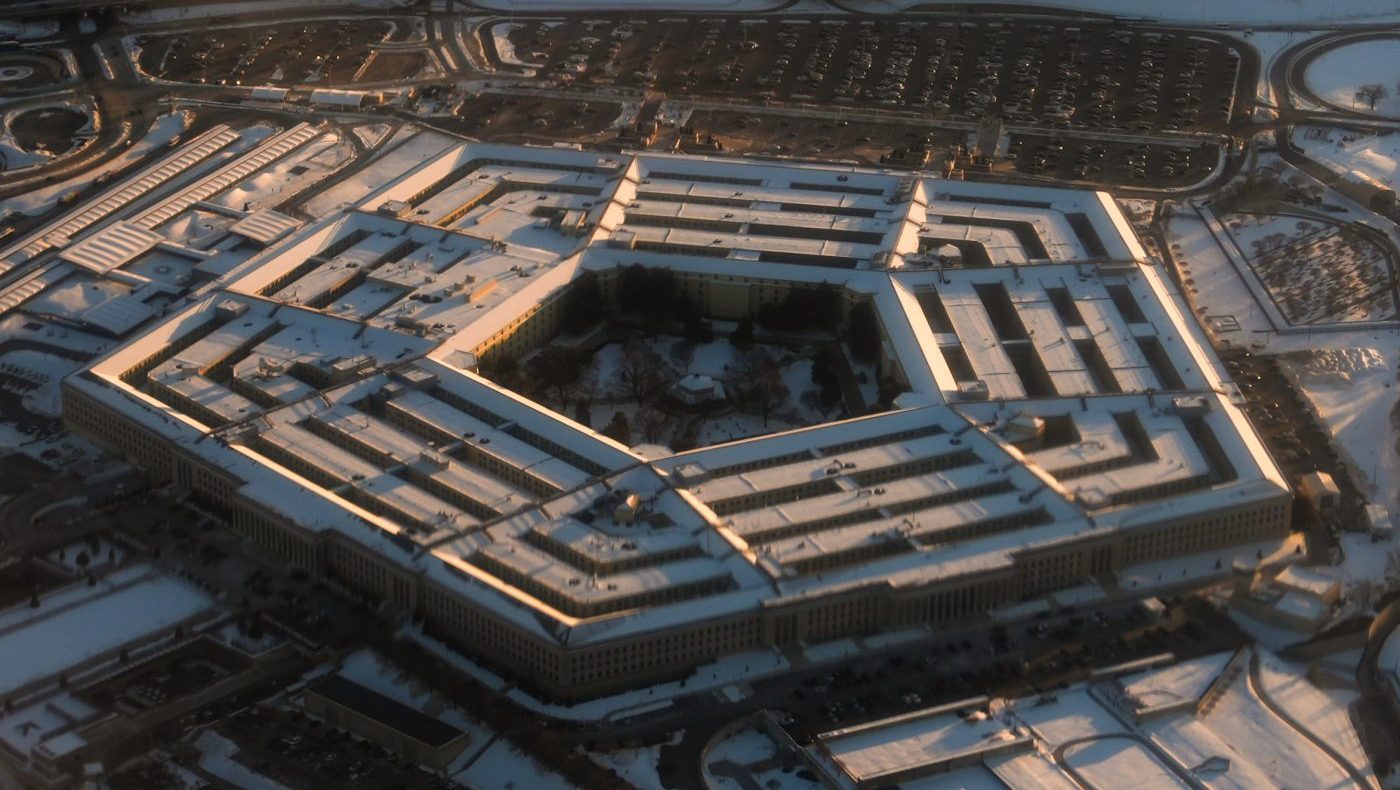
U.S. military forces conducted a boarding operation against a sanctioned oil tanker in the Indian Ocean, the Pentagon confirmed Tuesday. The action, described as a peaceful "right-of-visit" interdiction, targeted the vessel M/T Tifani, which the U.S. government classifies as stateless and subject to sanctions for its ties to Iran.
The Pentagon stated the operation occurred within the area of responsibility of U.S. Indo-Pacific Command. "We will pursue global maritime enforcement efforts to disrupt illicit networks and interdict sanctioned vessels providing material support to Iran—anywhere they operate," the Defense Department said in a statement. It added a pointed warning: "International waters are not a refuge for sanctioned vessels."

Targeting an Illicit Network
The tanker M/T Tifani is managed by ENSA Ship Management, a company designated for U.S. sanctions last year. The State Department imposed those penalties after determining ENSA had "knowingly engaged in a significant transaction" involving the purchase or transport of Iranian petroleum products. According to maritime tracking data, the Tifani was sailing under the flag of Botswana and carrying crude oil at the time of the interdiction.
This boarding is part of a broader, sustained campaign of maritime pressure against Iranian oil shipments. The U.S. has maintained a blockade of the strategic Strait of Hormuz and has expanded interdiction efforts for Iran-linked ships beyond the traditional Central Command region, signaling a global enforcement posture. This approach reflects a significant escalation in naval enforcement tactics against Tehran's economic lifelines.
Broader Strategic Context
The operation comes at a diplomatically sensitive moment. A fragile ceasefire between the U.S. and Iran is set to expire, with President Trump announcing that negotiations are scheduled in Pakistan this week. The tanker boarding serves as a tangible demonstration of U.S. pressure ahead of those talks, underscoring Washington's willingness to act militarily to enforce its sanctions regime.
This incident follows another recent confrontation. On Sunday, the U.S. Navy attacked an Iranian-flagged cargo ship that attempted to bypass the American blockade after its crew ignored warnings. The Pentagon framed both actions as part of a continuous effort. "The Department of Defense will continue to deny illicit actors and their vessels freedom of maneuver in the maritime domain," officials stated.
The enforcement campaign highlights the complex logistical and technological challenges of monitoring global shipping. While not directly related, the massive financial commitment to new military technology, such as the Pentagon's $55 billion investment in autonomous systems, is driven by the desire to maintain dominance in domains like maritime surveillance and interdiction.
As the geopolitical standoff continues, the Biden administration faces scrutiny over its broader national security priorities, including surveillance authorities. Congressional leaders like Hakeem Jeffries have signaled opposition to renewing key surveillance powers without significant privacy reforms, a debate that intersects with the intelligence gathering required for such precise maritime operations.
The seizure of the Tifani reinforces the administration's stated policy of economically isolating Iran. However, it also risks further inflaming tensions ahead of critical diplomatic discussions, testing the durability of the current ceasefire as its expiration looms without a new deal.