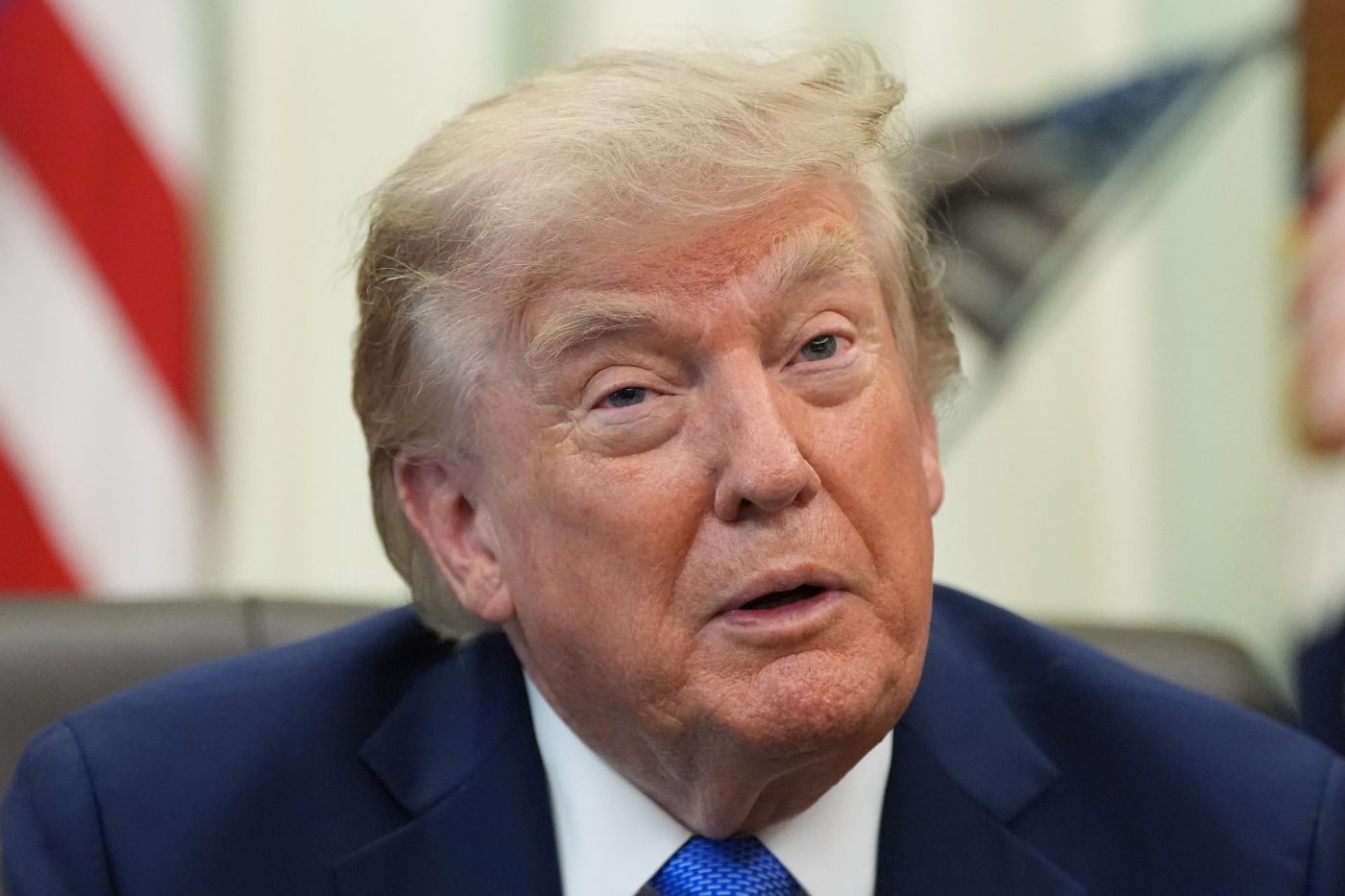
President Trump declined to endorse Senate Majority Leader John Thune for another term as the chamber's top Republican, avoiding a direct answer during an interview aired Friday. The president's remarks underscore a growing rift between the White House and the Senate leader over legislative strategy, particularly on voting rules.
In an interview with Punchbowl News, Trump said he would not address the matter directly, stating, "I don't want to get into that necessarily." He added, "I get along with him. It's unfortunate that he doesn't have the votes," referring to Thune's insistence that Senate Republicans lack the support to pass the Safeguard American Voter Eligibility (SAVE America) Act.
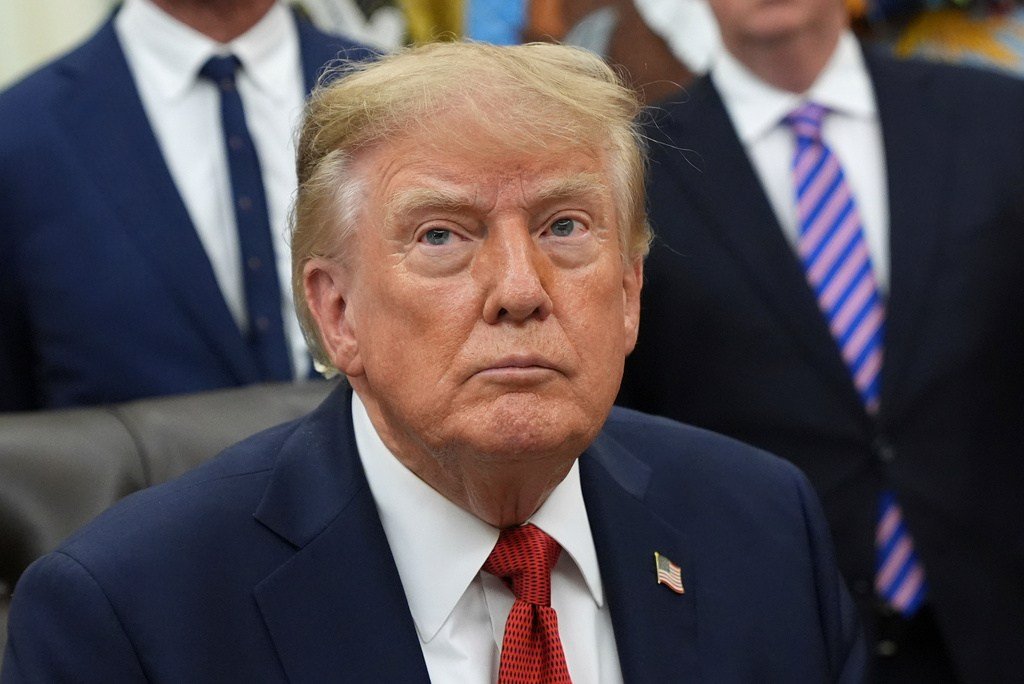
When pressed on his relationship with Thune, Trump acknowledged, "I do," but highlighted their differences. "I believe strongly in terminating the filibuster, and by the way, getting SAVE America Act approved immediately, and about 400 other things in every hour of every day," the president said.
Thune has repeatedly maintained that Senate Republicans do not have the 60 votes needed to advance the SAVE Act, which would require proof of citizenship for voter registration. He has also poured cold water on eliminating the filibuster, a procedural hurdle that requires a 60-vote supermajority for most legislation. This has become a flashpoint between the two leaders, with Trump pushing for a more aggressive approach.
The president warned that if Democrats regain control of the Senate, they would swiftly abolish the filibuster to pass their agenda with a simple majority. "If they get in, they're going to do it very quickly," Trump said. He argued that Republicans should act now, claiming, "We would get in the next two and a half years, we would get things that nobody ever dreamt of. We would be in office for the next hundred years."
Trump also issued a stark warning, saying, "And I tell you what, if they get it in, I will be the last Republican president." The comment reflects his belief that Democratic control could cement a long-term political advantage.
The tension between Trump and Thune is part of a broader pattern of the president exerting influence over Republican leadership. Thune, who has served as majority leader since 2023, faces a potential leadership challenge in the next Congress. Trump's refusal to endorse him could embolden rivals, though Thune has maintained support among many GOP senators.
This dispute also highlights the ongoing spending and recess negotiations in the Senate, where Trump allies are pushing for a more confrontational stance. Meanwhile, the president's recent executive orders on birthright citizenship have sparked legal battles, further complicating the legislative landscape.
Thune has not publicly responded to Trump's latest comments, but he has previously defended his position, arguing that the Senate's rules are designed to protect minority rights. Whether he can bridge the divide with the president remains uncertain, but the coming months will test the durability of their working relationship.