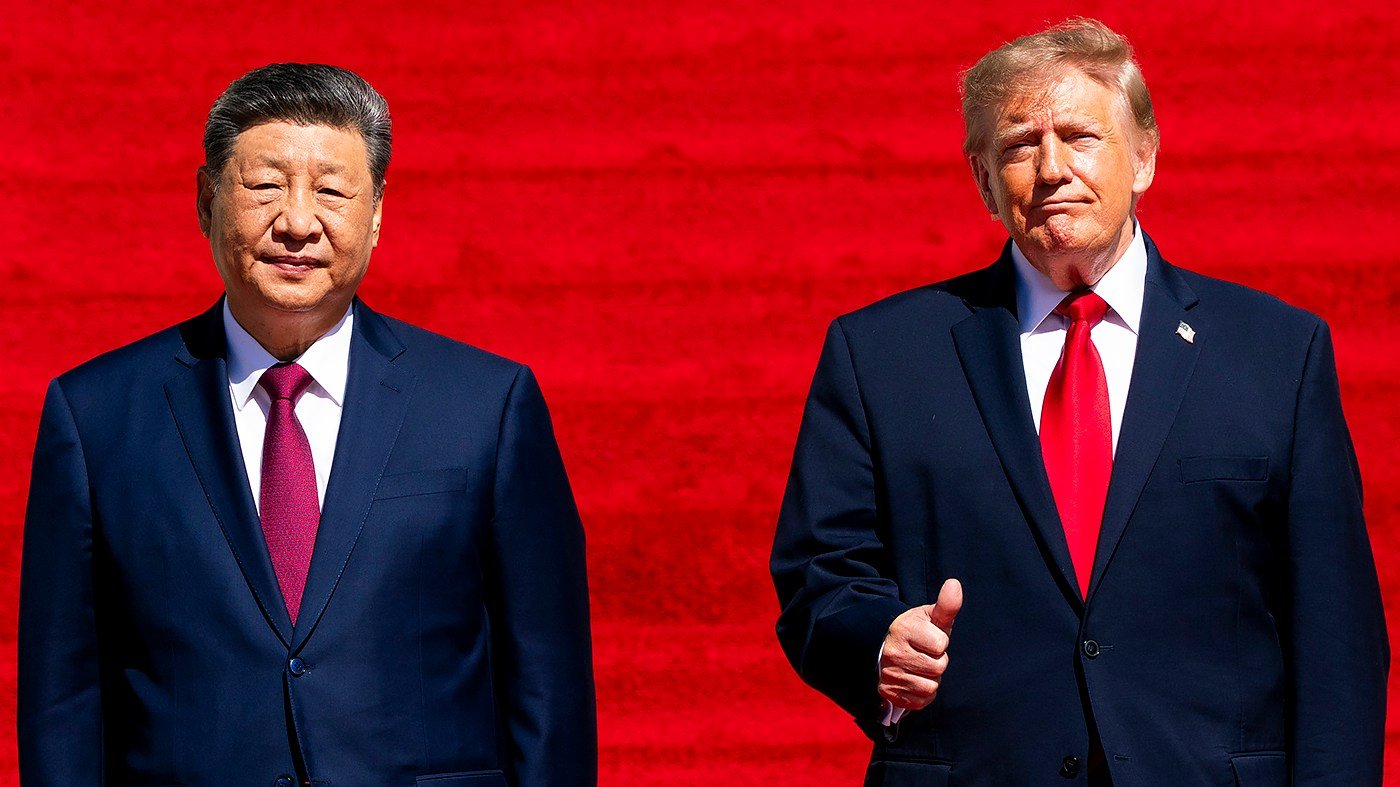
President Trump said on Friday that Chinese President Xi Jinping appeared to embrace the term “super intelligence” for artificial intelligence, just days after the Trump administration announced it would use the new label in official U.S. documents and communications.
In a post on Truth Social, Trump described his meeting with Xi as “very productive” and said “tremendous things will be happening.” He added that Xi, like “almost everyone else,” seemed to appreciate the shift from what Trump called the “poorly and inaccurately named” artificial intelligence to the more accurate and important term, “SUPER INTELLIGENCE.”
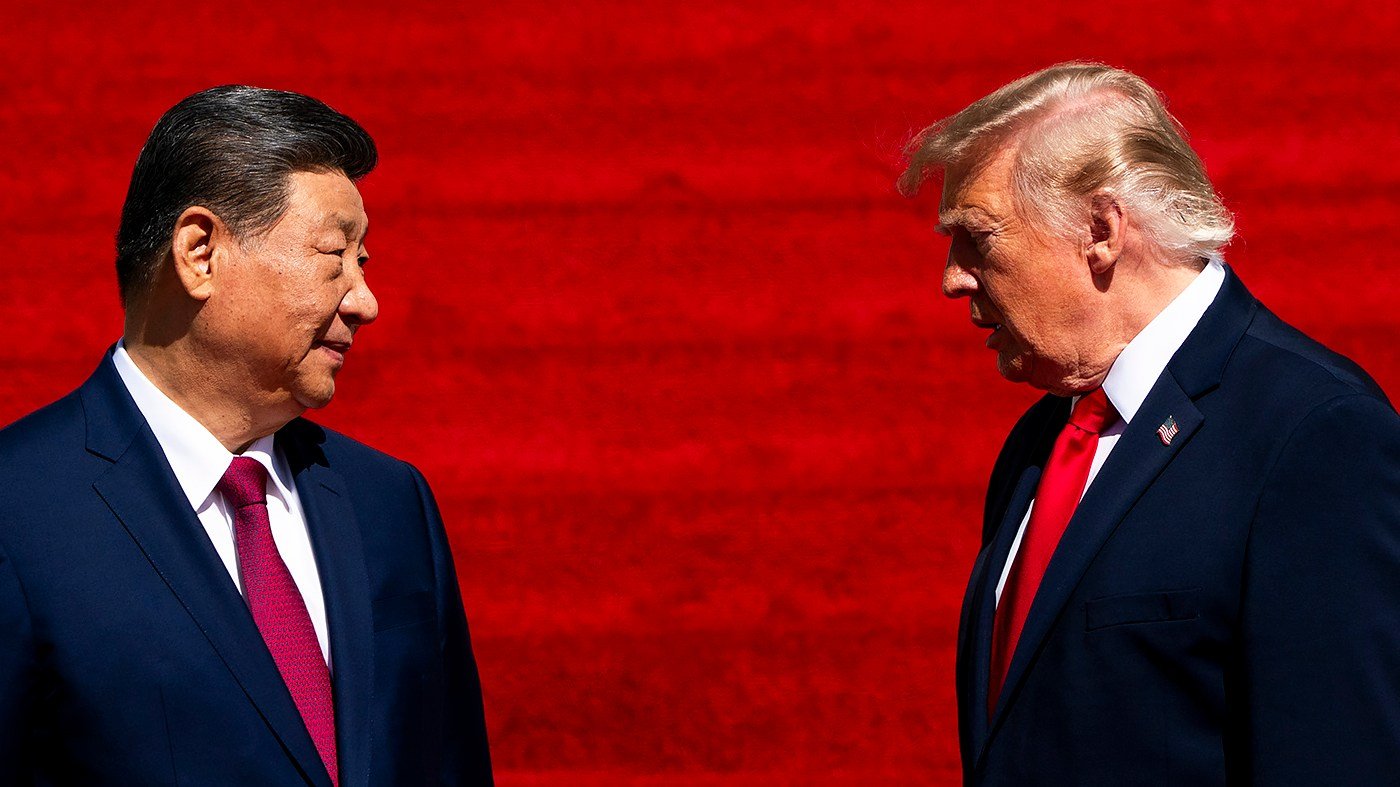
“That would be ‘SUPER!’ Everyone last night agreed, also,” Trump wrote.
During a public appearance at the White House on Thursday, Xi addressed AI but notably did not use the term “superintelligence.” Instead, he emphasized the shared responsibility to manage the technology for the public good.
“We have both the capability and responsibility to develop and manage AI for good, and ensure that the development of AI is always under human control and serves the well-being of the people,” Xi said.
The term “superintelligence” already has a defined meaning in the tech world: it refers to an AI system that surpasses human intelligence. It is both the ultimate goal for many frontier AI firms and a major source of concern for those warning about the potential risks to humanity.
Trump first announced the terminology change at the United Nations General Assembly earlier this week, and the State Department has since directed its diplomats to use “super intelligence” in their communications moving forward.
The meeting between Trump and Xi, which was part of a broader state visit, touched on a range of issues, including trade, security, and technology. The two leaders are expected to meet again later this year, as reported in a scheduled follow-up summit.
Observers noted that the informal exchange over terminology highlighted the growing importance of AI in U.S.-China relations. The two nations are competing for dominance in AI development, and the new nomenclature could signal a more aggressive posture from Washington.
While some experts welcomed the change as a more accurate descriptor, others cautioned that it could inflate expectations about current AI capabilities. The term “superintelligence” is often associated with hypothetical future systems, not today's technology.
Trump's characterization of Xi's reaction has not been independently verified, and Chinese officials have not commented publicly on the terminology. The White House has not released additional details about the private conversations between the two leaders.