President Donald Trump's escalating confrontation with NATO allies over their refusal to support military action against Iran has plunged the transatlantic alliance into its most severe crisis in decades. European capitals and Washington are now actively preparing for potential U.S. disengagement from the 32-member pact, as Trump's rhetoric shifts from criticism to active reconsideration of American membership.
Diplomatic Emergency Unfolds
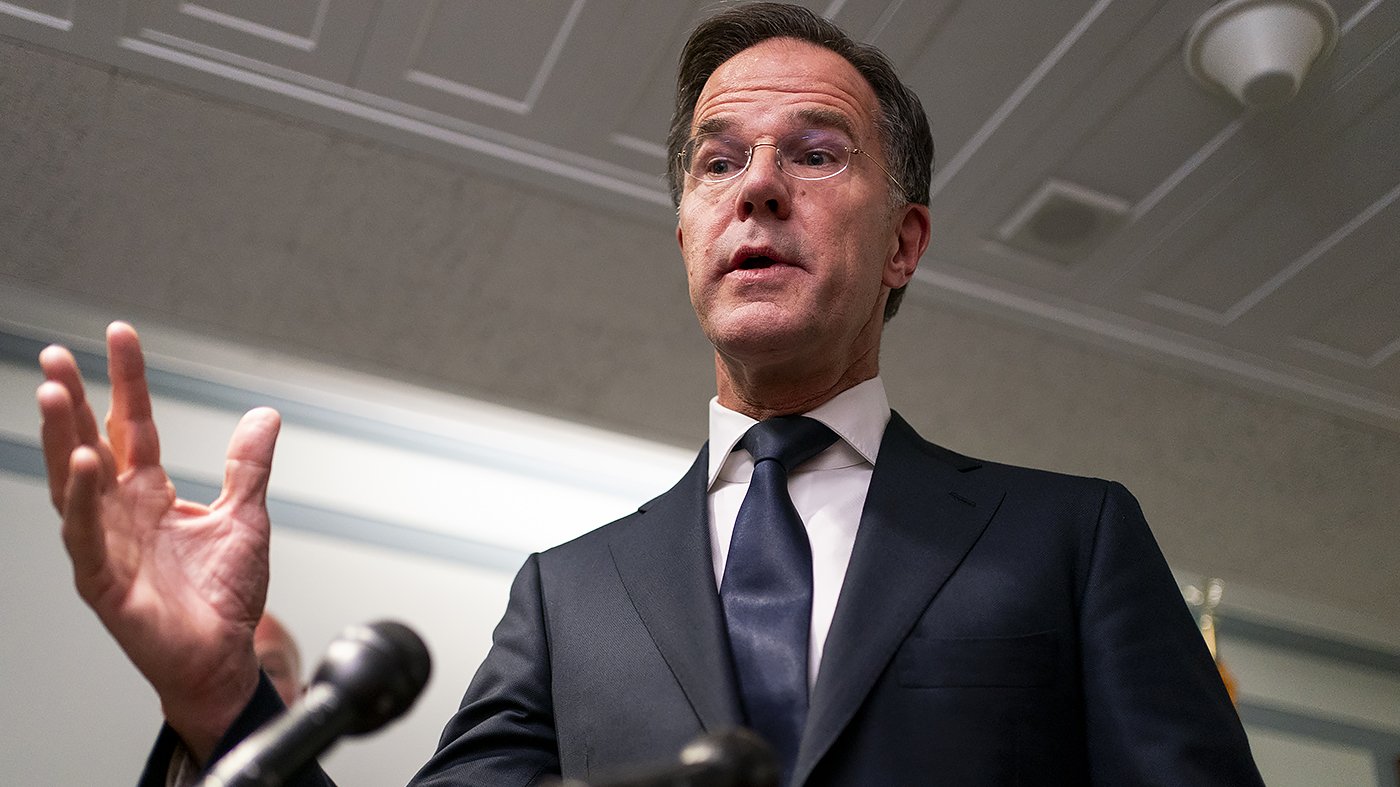
NATO Secretary-General Mark Rutte will travel to Washington next week for emergency consultations, a clear signal of the alliance's deepening alarm. The immediate trigger is European resistance to Trump's demand for assistance in securing the Strait of Hormuz, a critical global oil shipping channel. During a prime-time address, Trump told allies to either purchase American oil or secure the strait themselves—an ultimatum that has exposed fundamental fractures.
"The real question isn't whether the U.S. leaves NATO, it's whether the allies continue to trust the U.S. to lead," said David Cattler, a senior fellow with the Center for European Policy Analysis. "Alliances don't break when countries leave, they break when that trust erodes." This sentiment echoes through European diplomatic circles, where officials describe a pattern of recurring threats over various issues, from defense spending to territorial disputes like Greenland.
Legal Barriers and Practical Threats
While a 2023 law sponsored by then-Senator Marco Rubio requires congressional approval for formal withdrawal, administration officials have outlined multiple pathways to effectively neuter the alliance. Secretary of State Rubio stated the U.S. would "reexamine" its relationship post-Iran conflict, while Ambassador to NATO Matthew Whitaker confirmed Trump is actively "reevaluating" membership.
Potential actions include withdrawing or drastically reducing the 70,000 U.S. troops stationed in Europe—a move Trump attempted during his first term regarding Germany. Other options involve reducing U.S. personnel at NATO headquarters, scaling back joint military exercises, or even declaring the U.S. would not honor Article 5, the collective defense provision that forms NATO's cornerstone.
"Trump can erode NATO's relevance," said Jennifer Kavanagh of Defense Priorities. "Stop sending people to NATO meetings, slowly pull institutional people out, remove enabling capabilities. It can basically make NATO practically irrelevant, even if it still exists."
European Response: Contingency Planning
European governments are no longer dismissing Trump's threats as bluster. Poland's Foreign Ministry stated the country must treat U.S. withdrawal "as a possible scenario and take it seriously," acknowledging that while NATO remains their security cornerstone, they "cannot pretend that the U.S. President isn't saying what he is saying."
Another European diplomat told The Hill there's "no going back to the old days," arguing the only prudent response is accelerating Europe's capacity to lead NATO operations independently. This planning occurs against the backdrop of Tehran's rejection of Washington's latest diplomatic proposals and Trump's publicly stated deadline for Iranian compliance.
Structural Tensions Beyond Iran
The Iran confrontation exacerbates long-standing disputes about burden-sharing. The U.S. accounts for approximately 60% of alliance defense spending, with European members and Canada contributing $574 billion of NATO's more than $1.4 trillion total. Trump has consistently demanded European nations dramatically increase expenditures and eventually assume primary responsibility for continental defense.
Beyond spending, the alliance has weathered consecutive storms since Trump's second term began, including disputes over tariffs, military aid to Ukraine, and the Greenland controversy. These accumulated tensions now converge with the Iran standoff, creating what one diplomat called "Groundhog Day"—different reasons, but the same recurring threat to the alliance's future.
The crisis emerges as the Democratic opposition struggles to formulate a coherent national security alternative, and the administration simultaneously pursues controversial domestic priorities like consolidating offshore energy oversight.
Historical Significance and Future Implications
A U.S. withdrawal would represent the most significant shift in the international security architecture since NATO's 1949 founding. The alliance has expanded from 12 original members to 32, with the United States serving as its undisputed leader and military backbone throughout the Cold War and post-9/11 era.
For now, European officials and analysts suggest the immediate danger is not formal withdrawal but sustained unpredictability from NATO's most powerful member. The erosion of trust, they warn, could accomplish what no external adversary has managed in 75 years: rendering the world's most powerful military alliance functionally obsolete through gradual American disengagement.