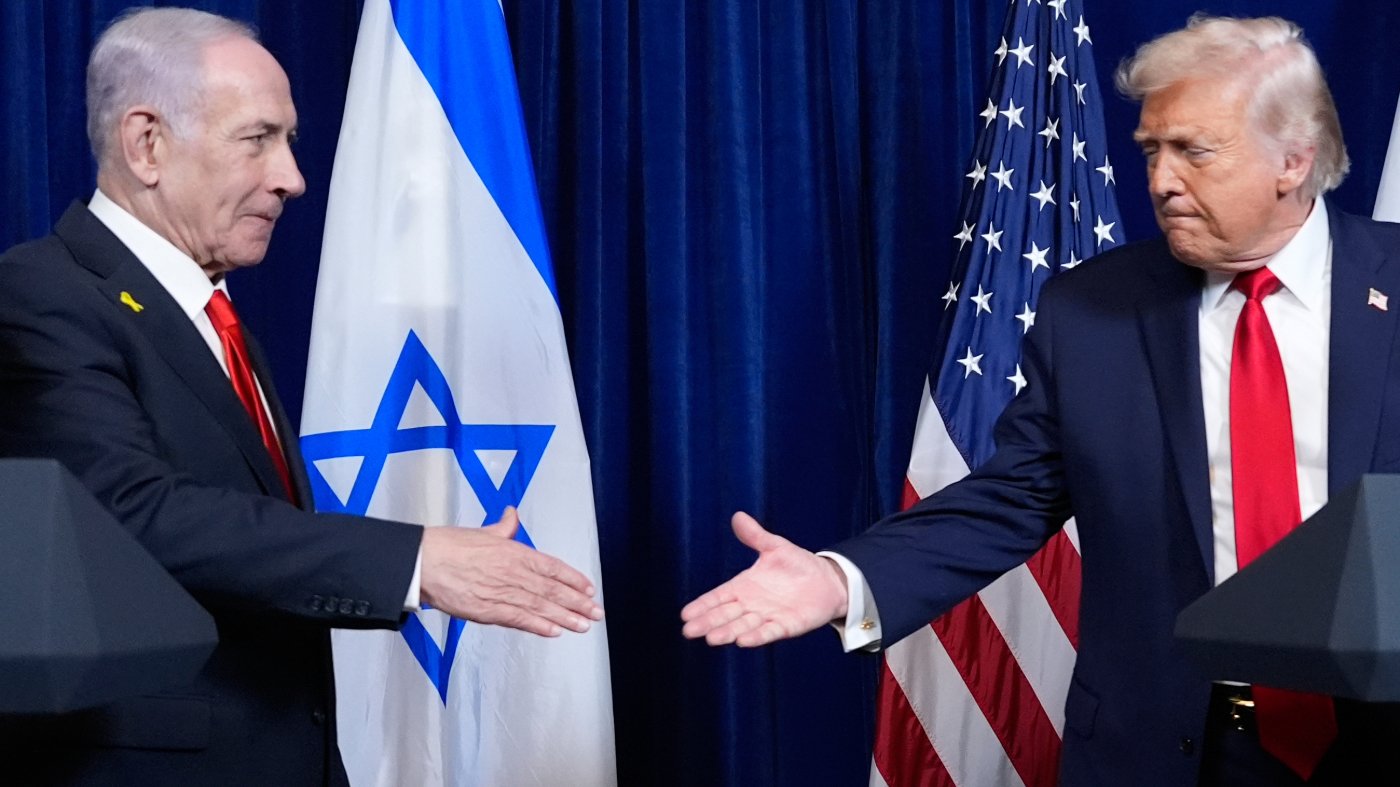
President Trump’s newly signed memorandum of understanding with Iran is being pitched as a step toward Middle East stability, but its immediate political effects are sharply divergent. For Trump, the deal may neutralize a growing vulnerability ahead of the midterms. For Israeli Prime Minister Benjamin Netanyahu, it is shaping up as a political trap.
Domestic Political Calculus
Polling suggests the ceasefire has helped Trump close the books on a conflict that had become a drag with American voters. But in Israel, public sentiment runs the opposite direction. Surveys taken during the height of hostilities showed nearly 80 percent of Israelis backing the war effort, and more recent polls confirm that support remains strong. With Israel heading to its own elections this fall, Netanyahu now faces the prospect of forcing an end to a conflict his electorate wants to continue.
Netanyahu must also navigate a delicate relationship with Trump and Vice President JD Vance, both of whom have escalated their rhetoric toward Israeli officials, at times sounding openly hostile. The prime minister is caught between protecting his country and defying an administration that has shown little patience for dissent.
What the Deal Gives Iran
The agreement’s structure has drawn sharp criticism from within Trump’s own national security team. The CIA director, along with the secretaries of State and Defense, reportedly opposed the terms. Critics note that the deal frontloads benefits to Tehran: immediate sanctions relief allowing oil sales, unfreezing of Iranian assets, an end to the U.S. blockade, and a $300 billion reconstruction fund. These resources could allow the regime to rebuild its military, rearm proxy groups, and intensify domestic repression.
Perhaps most alarming, the agreement does not explicitly bar Iran from closing the Strait of Hormuz after a 60-day window—a move Tehran has repeatedly threatened. Trump and Vance have insisted that the promised benefits are “performance based,” but they have offered few details on how violations will be punished or enforced.
Nuclear Ambitions Left Unchecked
The deal postpones negotiations over Iran’s nuclear program, leaving the original war aim—shared by the U.S. and Israel—unfinished. While Trump’s primary responsibility is to American voters, the omission raises questions about long-term security. Even some of Trump’s most loyal supporters in Congress have expressed skepticism about the arrangement.
Netanyahu’s Political Storm
For Netanyahu, the political fallout is immediate. The wars that followed Hamas’s October 7 attacks have consumed Israel for nearly three years, and recent polls show his coalition slipping. Surveys from Zman Israel give the anti-Netanyahu bloc led by former Prime Minister Naftali Bennett and former IDF chief Gadi Eisenkot 60 seats, just one short of a majority, while Netanyahu’s bloc trails at 50. Channel 12’s polling shows a similar 59–51 split. Kan News puts the opposition at 68 seats, including Arab parties that may not join a coalition, but the trend is unmistakable: Netanyahu is losing ground.
Netanyahu built his political brand on the perception that only he can manage Washington and articulate the Iranian threat. A forced, premature end to the fighting—imposed by a U.S. president who has linked the Iranian and Lebanese theaters—could shatter that image. Israelis once believed Netanyahu could sway Trump; now, the deal suggests the opposite.
No Good Options
Netanyahu faces an unenviable choice: defy Trump by responding to Hezbollah attacks and risk a break with the White House, or surrender Israeli sovereignty and alienate his own voters. A true rupture with Trump would further erode Israel’s standing in the U.S., a hurdle even Netanyahu might not overcome. The political landscape is shifting rapidly, and as Rick Scott pushes GOP shutdown plan ahead of Trump meeting, the dynamics in Washington are also in flux.
As the midterms approach, Trump’s calculation is clear: a ceasefire boosts his party’s chances. But for Netanyahu, the storm is only darkening. The deal’s ultimate impact will depend on U.S. enforcement and the course of nuclear talks, but on its best reading, it leaves no one safer except the Iranian regime. By forcing an ally to accept an incomplete peace, Trump may have handed Tehran exactly what the war was meant to deny.