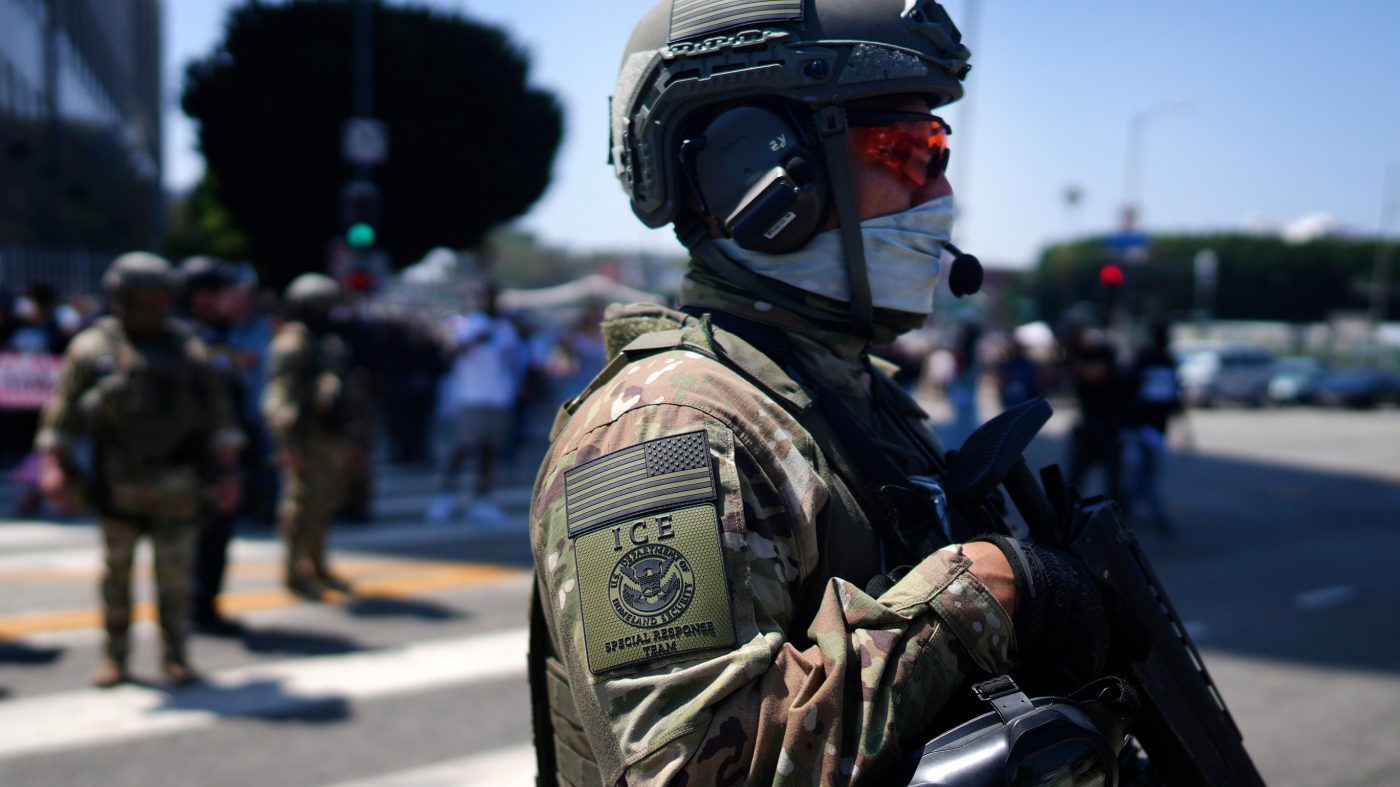
The U.S. Immigration and Customs Enforcement agency is moving forward with equipping its officers with body-worn cameras, but a newly disclosed policy grants agency leaders wide latitude to keep footage out of public view, a decision that could blunt transparency efforts amid heightened scrutiny of the agency's enforcement actions.
According to The Associated Press, more than half of ICE's field officers have already received the cameras, with the remainder expected to be outfitted by the end of September. The rollout follows a series of fatal shootings involving ICE officers that have drawn bipartisan criticism and calls for greater accountability, especially as the Trump administration intensifies its immigration crackdown.
An internal directive issued in February 2025 requires officers to activate their cameras at the start of enforcement activities, including arrests, stops, and searches. The policy mandates that footage capturing serious bodily injury or death in custody be reviewed and potentially released, but only if the administration determines that doing so is “in the best interests of the agency.”
That language has alarmed transparency advocates and some lawmakers, who argue it gives ICE an effective veto over public disclosure. The policy also allows the agency's director to delay or indefinitely withhold release if “specific and compelling circumstances” exist that cannot be resolved through redactions. A review group composed of senior ICE officials, attorneys, and other personnel will assess serious incidents and make recommendations to leadership, but the final decision rests with the agency.
In addition, the policy requires ICE to obscure officers' faces and other identifying details before any footage is made public, a step that could further limit the usefulness of the videos in holding individual officers accountable.
The lack of body camera footage in two recent fatal shootings has intensified the debate. In July, an ICE officer shot and killed a 25-year-old motorist in Maine, and in a separate incident, another officer fatally shot a homebuilder who was driving to work in Houston. Neither encounter was captured on camera, underscoring the gaps that remain even as the technology is deployed.
White House border czar Tom Homan has voiced support for the cameras, telling CBS News' Margaret Brennan that they provide transparency into what officers face during confrontations. “I think body cameras are the way to go,” Homan said. “I think body cameras let the American people know what that officer sees when he takes that action.”
However, critics point out that the policy's broad discretion could undermine that promise. The ability to withhold footage based on “best interests” or “compelling circumstances” may allow the agency to avoid releasing videos that could be politically damaging or reveal misconduct.
The development comes as the administration has faced legal challenges over its immigration policies, including a federal appeals court ruling that blocked the release of a Palestinian student in an immigration case. Meanwhile, the administration has touted the potential economic benefits of deportation, with some officials arguing that immigration enforcement could ease housing costs, a claim that has drawn skepticism from economists.
As ICE completes its camera rollout, the practical impact of the policy will depend on how often the agency invokes its discretion to withhold footage. For now, the policy's language suggests that public release will be the exception rather than the rule.