Michigan's Tuesday primaries delivered a mixed bag for both parties, but the most telling result was in the 8th Congressional District, where President Trump's endorsed candidate, Amir Hassan, suffered a stunning defeat to Thomas Smith, a political unknown who had essentially dropped out of the race weeks earlier. This marks Trump's first House primary loss of his second term, a development that has left political observers scrambling for explanations.
Hassan, who had raised a substantial war chest and enjoyed the president's public backing, conceded in a video from his car on Wednesday morning. "I fell short last night. I make no excuse. It was a tough race," he said. Trump, reflecting on the failed endorsement, lamented, "It was a little bit of a person that I thought was a good person — didn't have much of a chance, but I said: 'I don't care. I'm doing it anyway.'"
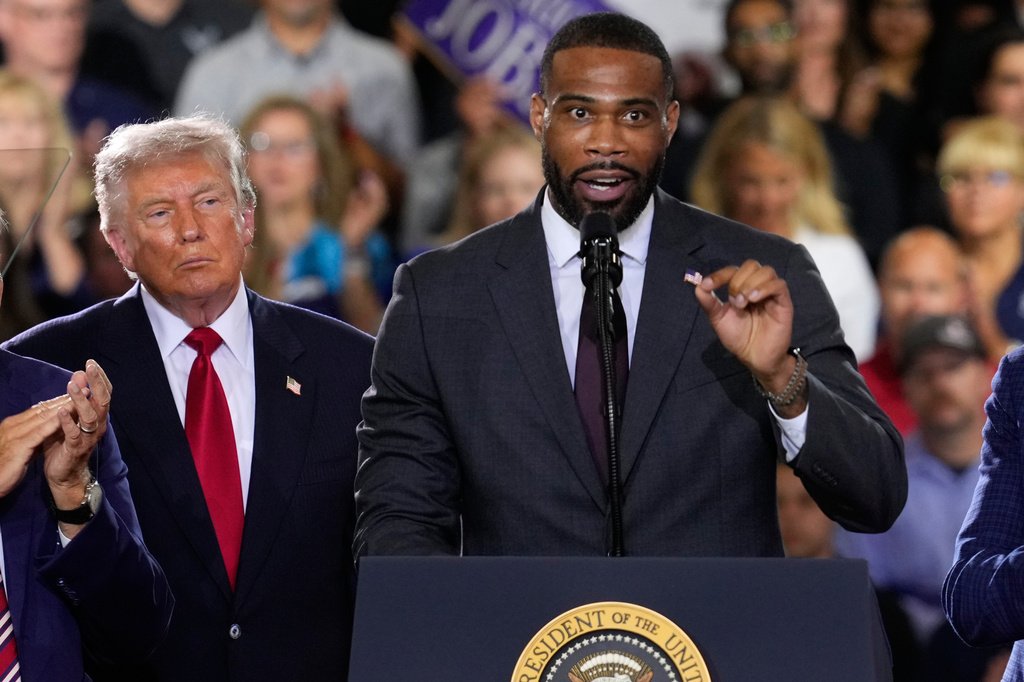
The defeat cannot be chalked up to fundraising, as Hassan outspent Smith significantly. Nor is the district inherently hostile to Trump; it backed him in the 2024 presidential race while also sending a Democrat to Congress. The most plausible explanation, according to several political analysts, is that the Republican electorate simply could not get past Hassan's Muslim-sounding name. Hassan, who is African American and has identified as Christian, has no Middle Eastern heritage, but his surname proved a stumbling block that even Trump's endorsement could not overcome.
Smith, who had actually endorsed another candidate during the primary, won largely because voters saw his name and assumed he was the safer, more familiar choice. This phenomenon is not new, but its persistence in a Trump-era GOP is striking. As one strategist put it, "The name test is still very real, especially in lower-information primaries."
However, a foreign-sounding name is not always a death knell. Vivek Ramaswamy, who has an Indian-sounding name, cruised to victory in Ohio's gubernatorial primary earlier this year, but his national celebrity and personal fortune gave him a platform that Hassan lacked. Ramaswamy's success, though, may be the exception that proves the rule, as Tuesday's result suggests the GOP base has not fully shed its reflexive suspicion of candidates who sound "different."
Far-right commentator Laura Loomer celebrated Hassan's loss, saying, "'Amir Hassan' claims he's not a Muslim, but it doesn't matter. His name sounds like he's fresh off the boat and MAGA voters reject the Islamic infiltration of our country and party." Such rhetoric underscores the challenges facing candidates like Abdul El-Sayed, who won the Democratic Senate primary and now faces Republican Mike Rogers in the general election.
El-Sayed, whose full name is Abdulrahman Mohamed El-Sayed, is already facing attacks from Republicans who highlight his name and his association with left-wing streamer Hasan Piker, who once made controversial remarks about 9/11. The GOP is attempting to paint El-Sayed as a radical Islamist, a charge he dismisses by focusing on policy. "Yeah, my name is Abdul. I'll say the whole thing: Abdulrahman Mohamed El-Sayed. And I want you to have health care, because you know what? Chances are, you probably had a doctor you trust with a name like mine," he told Semafor in June.
El-Sayed's path to victory may hinge on whether he can overcome these name-based attacks, much as Zohran Mamdani did in New York City, where Andrew Cuomo's attempts to demonize him failed. But in a state like Michigan, with its significant Arab American population, El-Sayed's name could also be an asset, particularly if he can rally the coalition that emerged from the divisive primary. As Trump's attacks on Democrats intensify, there is a chance they could actually unify Michigan Democrats, as one recent analysis suggested. The general election will test whether voters can look past names and focus on the issues that matter.