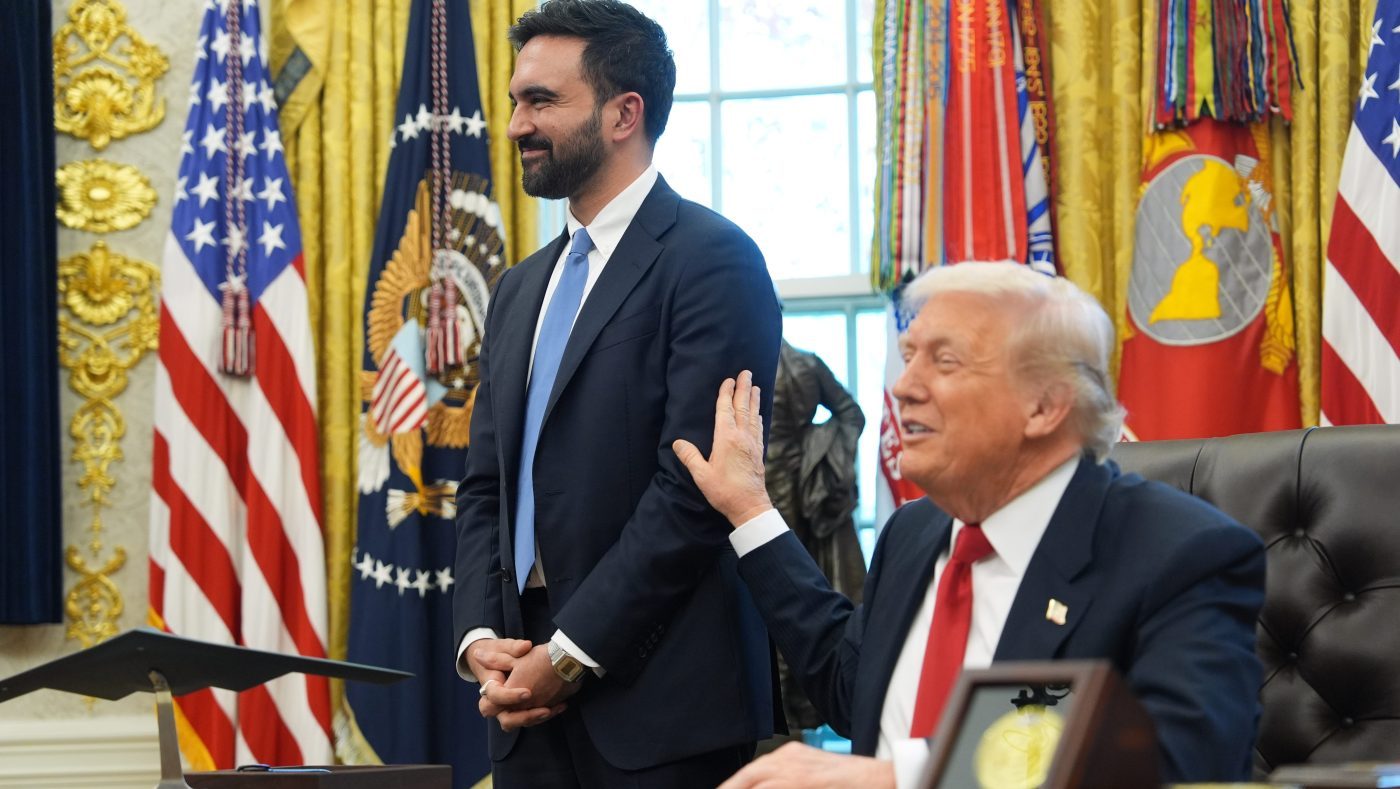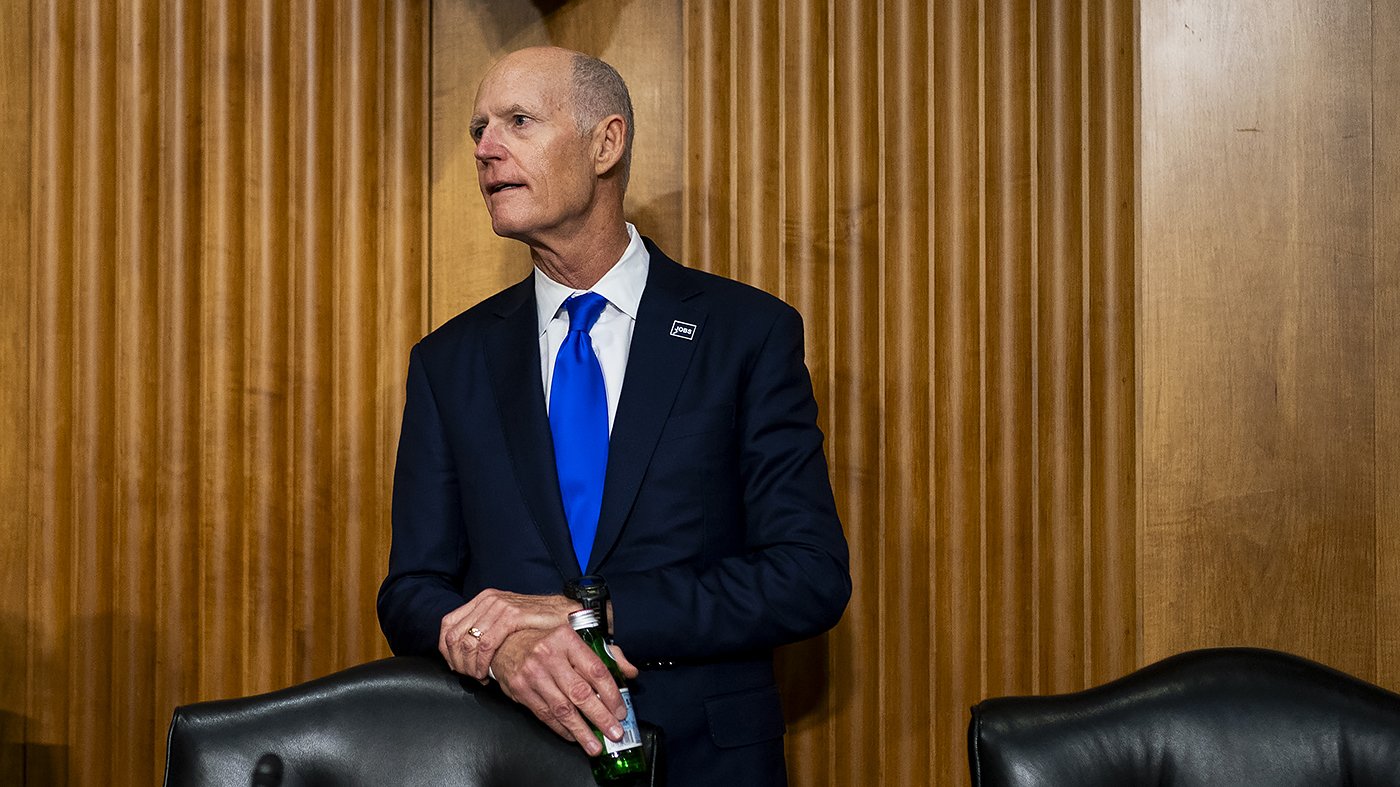
Sen. Rick Scott (R-Fla.), chair of the Senate Steering Committee, is circulating a plan among his Republican colleagues to sidestep another government shutdown later this year, setting the stage for a discussion when President Trump joins GOP senators for lunch on Wednesday. Scott, who extended the invitation to Trump, argues that Democrats are unlikely to cooperate on passing the 12 annual spending bills before the September 30 deadline.
In a letter distributed Monday, Scott presses his fellow Republicans to coalesce around a continuing resolution that would freeze funding levels, preventing what would be the third shutdown of the 119th Congress. He frames the effort as a clear contrast with Democrats, whom he accuses of wanting to force a shutdown for political gain. "We need to make it clear to all Americans that Democrats want to shut down government and don't care how it impacts federal workers or the economy, and Republicans want to fund the government," Scott wrote.
Beyond keeping the government open, Scott is pushing the SAVE America Act—a bill requiring documented proof of citizenship for voter registration—as a top priority for the remainder of the year. He argues that Republicans should highlight voter ID requirements, even if only portions of the bill pass, to underscore a commitment to election security. "We need to make it clear Republicans want election security and Democrats want fraud," he asserted.
Senate Democratic Leader Chuck Schumer (N.Y.) has countered that Democrats support voter ID measures, though his party voted against an amendment earlier this year from Sen. Jon Husted (R-Ohio) that would have enacted such a requirement. Scott's plan also includes passing one of two bills designed to shield federal workers during a shutdown: the Shutdown Fairness Act, by Sen. Ron Johnson (R-Wis.), which would pay workers for essential duties, or the Prevent Government Shutdowns Act of 2025, by Sen. James Lankford (R-Okla.), which would provide automatic continuing appropriations and restrict official travel and recesses during a funding lapse.
The Florida senator's memo comes amid growing tensions over spending negotiations. Schumer last week accused Senate Appropriations Committee Chair Susan Collins (R-Maine) of refusing to engage with Democrats on a top-line spending limit for the annual appropriations bills. Collins denied the charge, calling Schumer "misinformed" about the state of talks.
Scott's strategy aims to draw a sharp political line. "We need to make a clear distinction as to who the good guys are and who the bad guys are. We have to demonstrate what Republicans stand for and what Democrats stand for through action, not rhetoric," he wrote, anticipating a potential standoff in the fall. He claimed Democrats "have been clear that they want to shut down government on October 1st because they believe that is their path to a majority in November."
The meeting with Trump comes as the former president continues to shape GOP strategy, with Scott urging colleagues to voice their views on the best path forward. The plan also touches on broader party messaging, as seen in recent clashes over governance and accountability. For instance, a senior Republican recently broke silence to criticize Trump's approach, while separate legal battles over subpoenas targeting Democrats highlight the ongoing partisan friction.