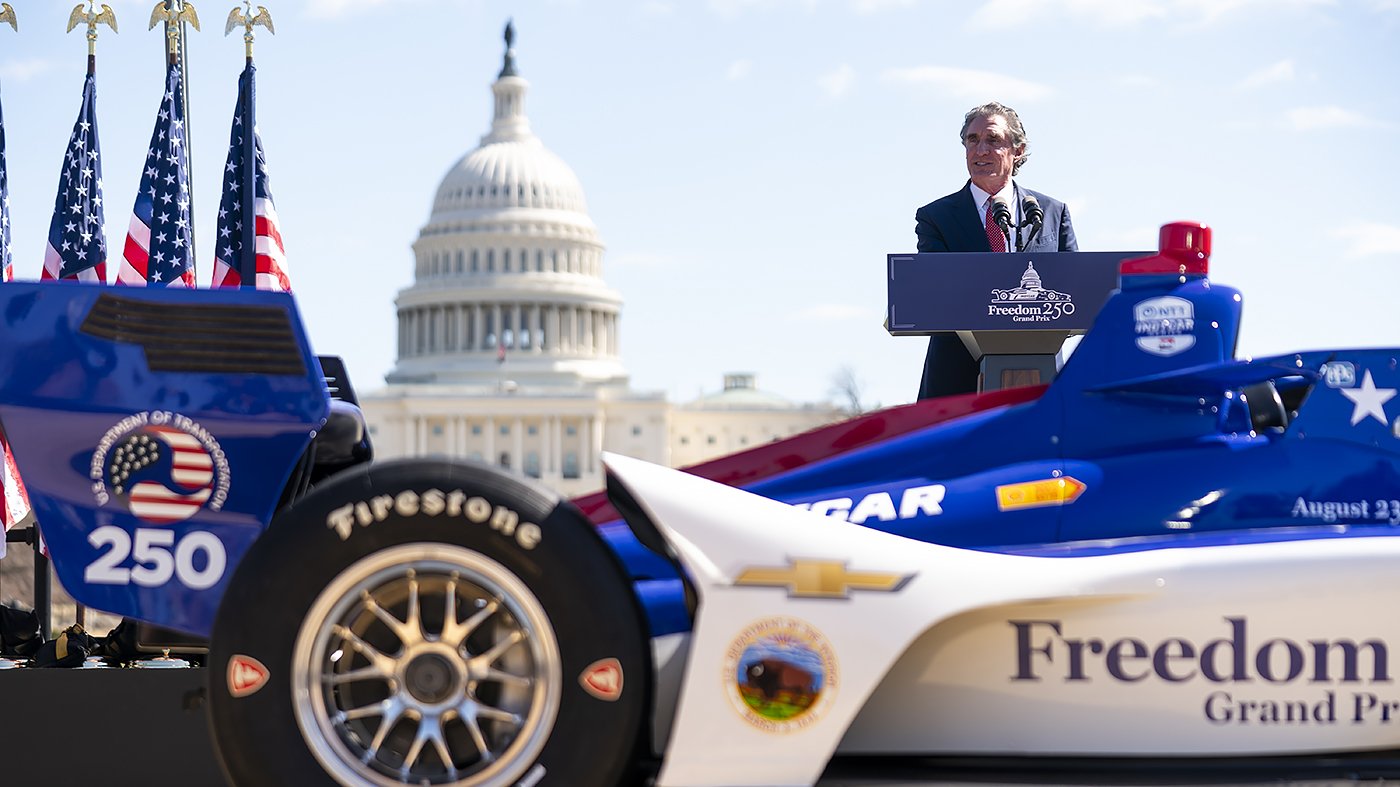
The National Gallery of Art is bracing for the rumble of IndyCar engines as the Freedom 250 Grand Prix approaches, with officials confirming they will study how the high-speed race might affect the museum's priceless collection. The race, set for August 22-23 on the National Mall and Pennsylvania Avenue, will see cars reach speeds of 185 mph, far exceeding the usual 25 mph limit in the nation's capital.
Gallery spokesman Chris Abanavas told The Washington Post that the institution conducted an extensive vibration study in preparation for the event. "Based on the results, we have implemented a set of measures to ensure the safety of our staff, visitors, collection, and facilities during the race," he said. While declining to release specifics, Abanavas emphasized that any precautions are being taken "out of a great abundance of caution."
The race, created by President Trump through a January executive order, is the first street race in the NTT IndyCar Series to be held on the National Mall. Organizers extended the event from 125 to 147 laps to reach the 250-mile mark, intensifying concerns among historic preservationists about the potential impact on nearby artifacts.
Michelle Arcari Rose, a former associate general counsel at the National Trust for Historic Preservation, voiced alarm. "We certainly don't know whether the race could cause damage to historic pieces," she said, noting the unprecedented nature of the speed. "It's a huge risk to unleash cars at 185 miles per hour in a place where we've never had cars really going more than 25 miles an hour."
Mary Okin, assistant director of the nonprofit Living New Deal, has questioned whether the event was planned "without meaningful" consultation with preservation stakeholders. She has reached out to the National Park Service and other agencies for answers.
Experts say vibrations and high speeds can cause structural fatigue, micro-cracks, and paint flaking in artworks, while air pressure shifts can damage fragile materials like glass and aged wood. Museums along the route, including the Smithsonian National Air and Space Museum and the National Gallery, house such items.
The Smithsonian has concluded the race will not impact its art but will monitor the situation before and after the event, according to the Post. Trump administration officials maintain that the White House and Penske, IndyCar's owner, have taken "all appropriate protocols" in coordination with relevant agencies to ensure safety and security.
The race has drawn parallels to other recent security and logistics challenges in the capital, such as the FAA investigation into a Marine One incident near Reagan National, highlighting the complexities of hosting large-scale events in a city with historic landmarks.
As the event nears, preservationists and museum officials remain on alert, balancing the excitement of a new racing tradition with the duty to protect the nation's cultural heritage. The National Gallery's proactive approach may set a precedent for how institutions handle future high-impact events in close proximity to irreplaceable treasures.