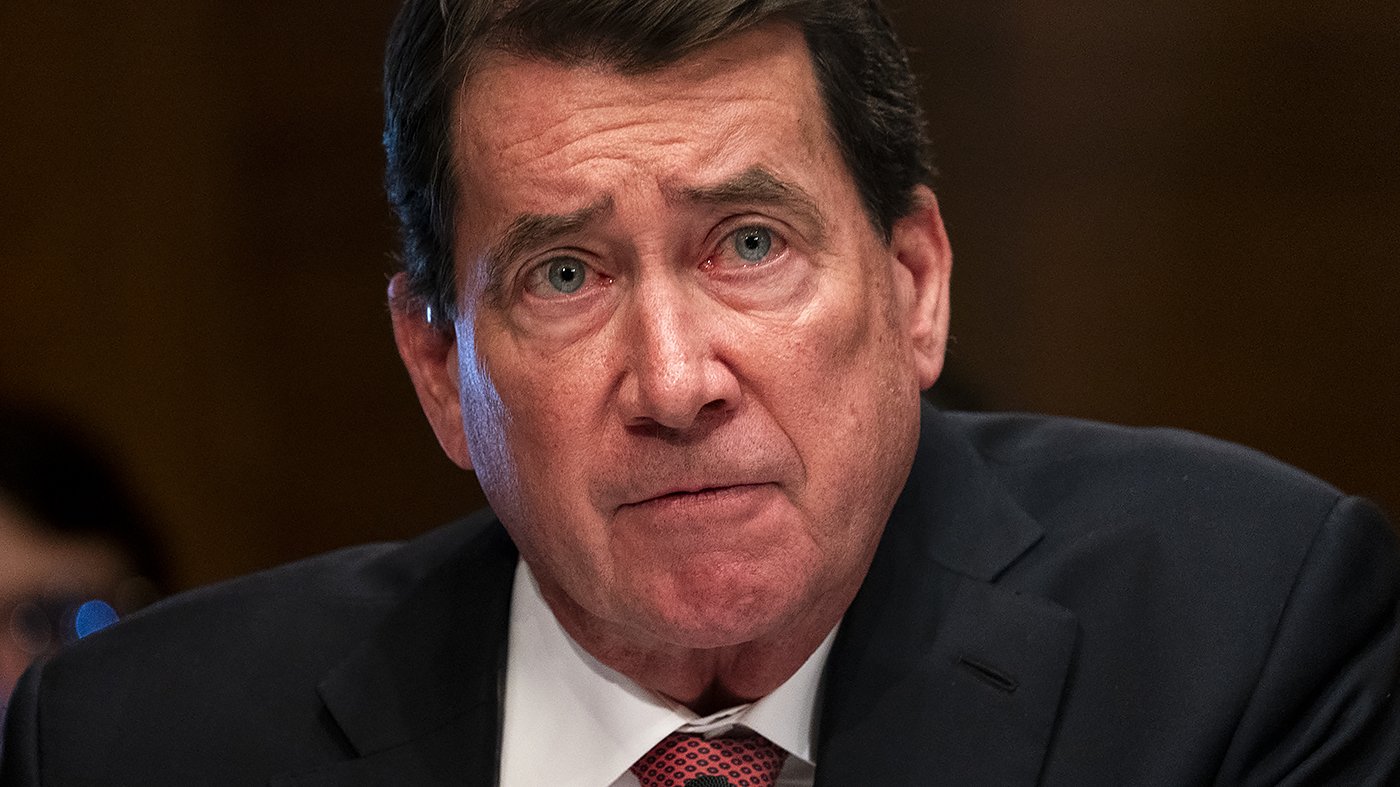
Republican Sen. Bill Hagerty and Democratic challenger Marquita Bradshaw will square off again in November for Tennessee's U.S. Senate seat, according to projections from Decision Desk HQ. The matchup mirrors their 2020 contest, which Hagerty won decisively in the deeply conservative state.
Hagerty, a former U.S. ambassador to Japan and a key adviser to Donald Trump's 2016 presidential campaign, faced no primary opposition. Bradshaw, an environmental activist and executive director of the group Sowing Justice, emerged victorious Thursday from a four-way Democratic primary.
Sowing Justice describes itself as a nonpartisan, nonprofit organization focused on increasing civic engagement in communities affected by industrial pollution, often referred to as "fence-line" communities. Bradshaw's campaign has centered on environmental justice and economic equity, themes that resonate with her party's base but face an uphill climb in a state that has not elected a Democrat to statewide office in years.
The Cook Political Report, a nonpartisan election handicapper, rates the general election as "solidly Republican," underscoring Hagerty's strong advantage. The incumbent announced his reelection bid in February 2025, ending speculation that he might run for governor to succeed term-limited Gov. Bill Lee (R). That decision helped clear the field for other Republicans eyeing the governor's mansion, a race that has drawn national attention.
Trump has thrown his support behind Hagerty, posting on Truth Social in March 2025 that the senator is "doing a fantastic job representing the Great People of Tennessee!" Trump added, "He has been with us from the very beginning, helping us, MAKE AMERICA GREAT AGAIN." Hagerty's alignment with Trump has been a cornerstone of his political identity since his time in the Trump administration.
Bradshaw's primary victory is notable given the national Democratic Party's internal struggles over messaging and candidate recruitment. While she is unlikely to win in November, her candidacy keeps a Democratic voice in the race and could influence down-ballot turnout. The Tennessee primary results also highlighted the ongoing battle for the GOP's direction, with Trump's endorsements carrying significant weight in the state.
Hagerty's campaign is expected to focus on his record on border security, energy independence, and his role in advancing Trump's America First agenda. Bradshaw, meanwhile, is likely to hammer on economic inequality and environmental concerns, hoping to energize urban and suburban voters in Nashville and Memphis.
The rematch comes as national Democrats grapple with their own primaries, including the consolidation behind Abdul El-Sayed in Michigan, which has exposed divisions between progressive and moderate wings. Bradshaw's campaign may draw parallels to these fights, but her path to victory in Tennessee remains narrow.
Political analysts note that Hagerty's biggest challenge may be complacency, as low turnout among Republican voters could narrow the margin. However, with Trump's endorsement and a favorable political landscape, the senator is widely expected to retain his seat. The November election will also test whether Bradshaw can translate her grassroots appeal into a broader coalition, a task that has eluded Tennessee Democrats for over a decade.