A senior House Democrat is raising alarms over the Trump administration's placement of a political appointee inside the Interior Department's inspector general office, a role traditionally insulated from partisan interference.
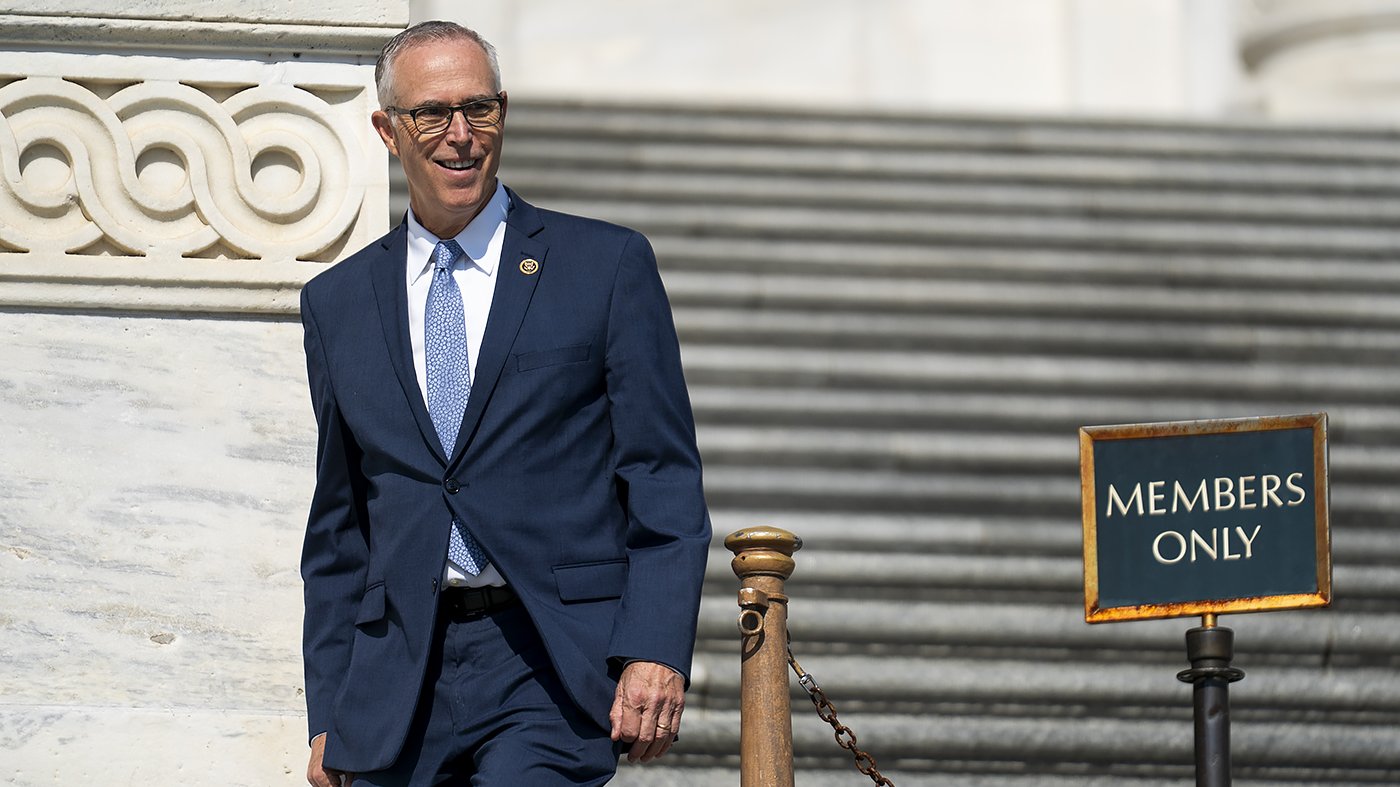
Rep. Jared Huffman (D-Calif.), ranking member on the House Natural Resources Committee, said this week that Dennis Kirk—a former White House personnel official and contributor to the conservative Project 2025 policy blueprint—has been installed at the department's internal watchdog. The Interior Department oversees vast public lands, national parks, and energy development on federal property.
“Dennis Kirk is a fake and fraudulent watchdog,” Huffman said in a statement. “Everyone should have their eyes wide open. Each and every thing this political puppet does will be in service of Donald Trump.”
The Office of the Inspector General declined to comment. The Hill's attempts to reach Kirk by email were inconclusive; a message sent to his address did not bounce back, but no reply was received.
Kirk's appointment is not his first foray into oversight roles. The Washington Post reported that Director of National Intelligence Tulsi Gabbard placed him in the intelligence community's watchdog office last year, a move that drew criticism for pairing a political operative with oversight duties.
Mark Greenblatt, who served as Interior's inspector general until he was ousted in a wave of firings last year, called the appointment “extremely out of the ordinary” and a direct threat to the office's independence. Greenblatt, who was originally appointed by Trump in 2019, warned that having a political staffer embedded in the office could jeopardize whistleblower protections.
“You have whistleblowers who come to the Office of Inspector General to make complaints, including complaints about senior political officials and sensitive political programs, and their names and identities are supposed to be kept confidential,” Greenblatt told The Hill. “But if you have an administration mole in the office, all of a sudden, does that information become fair game to the administration?”
The placement comes amid a broader pattern of the administration reshaping federal oversight structures. Critics argue that installing loyalists in watchdog roles undermines accountability, while supporters see it as a way to ensure agencies follow the president's agenda.
Huffman's allegations add to growing Democratic scrutiny of the administration's handling of independent offices. Lawmakers have also escalated fights over energy policy, including recent referrals of Energy Secretary Chris Wright to the Justice Department over testimony disputes.
The Interior Department's inspector general is responsible for auditing and investigating waste, fraud, and abuse in programs covering everything from oil and gas leasing to national monument management. The appointment of a political figure to that office, Huffman argues, undermines its core mission.
“This is not about good government,” Huffman said. “It's about installing a loyalist to protect the president from scrutiny.”