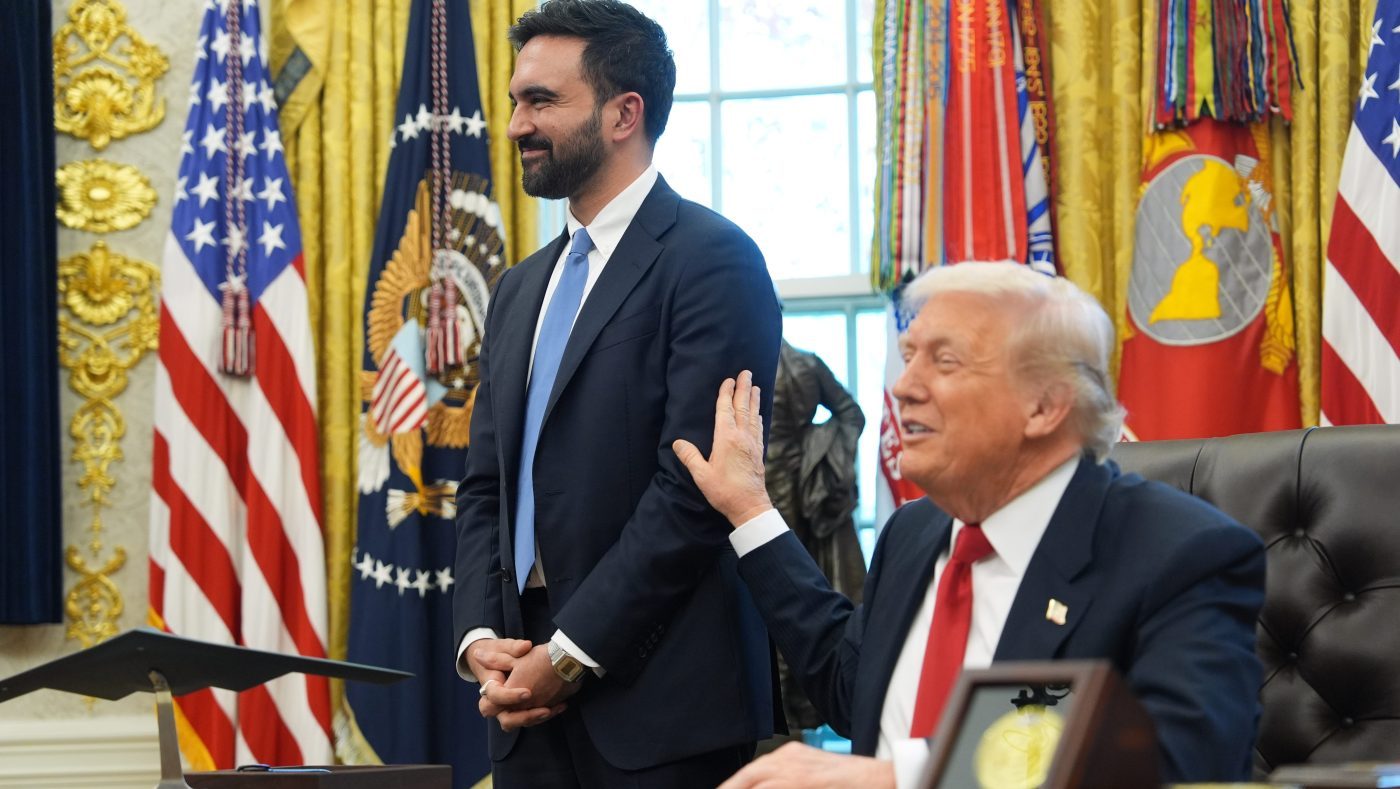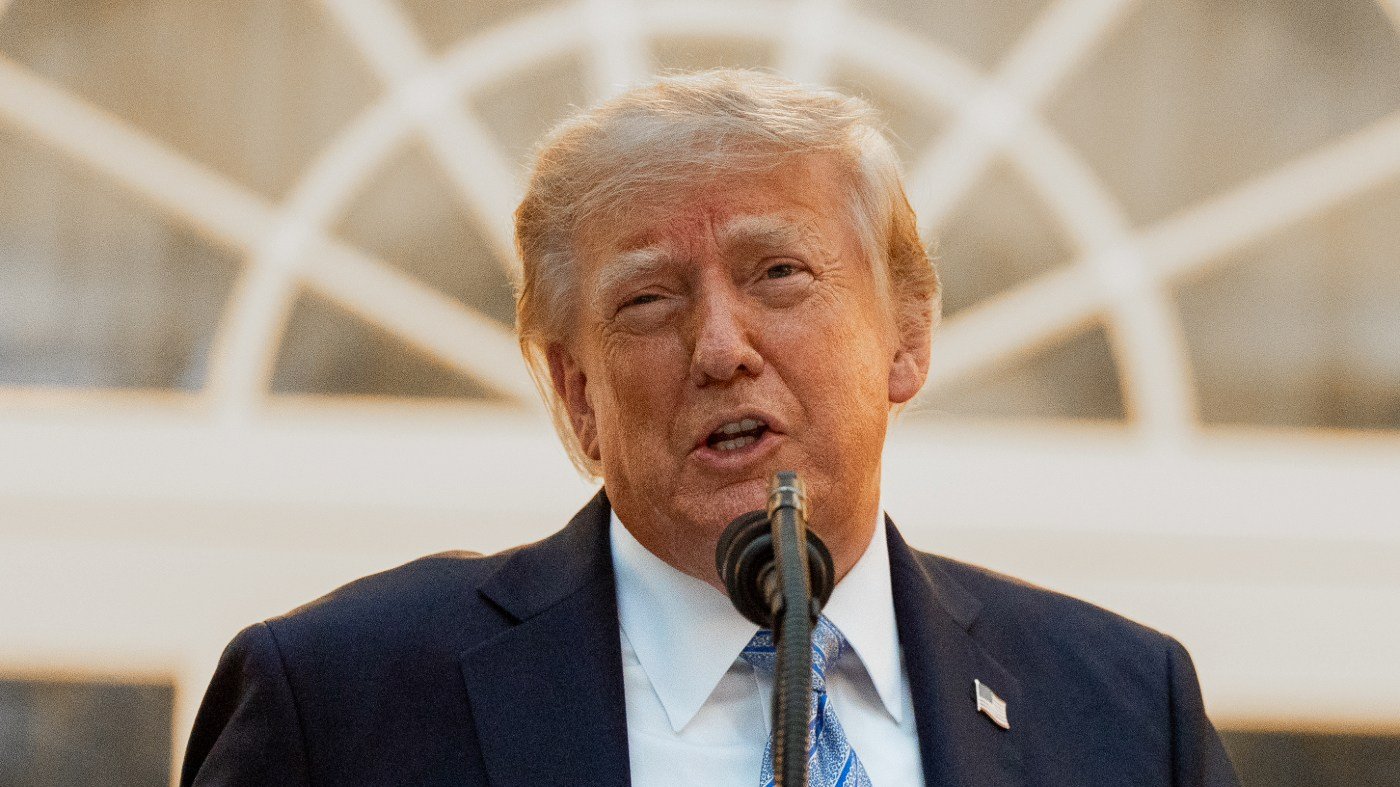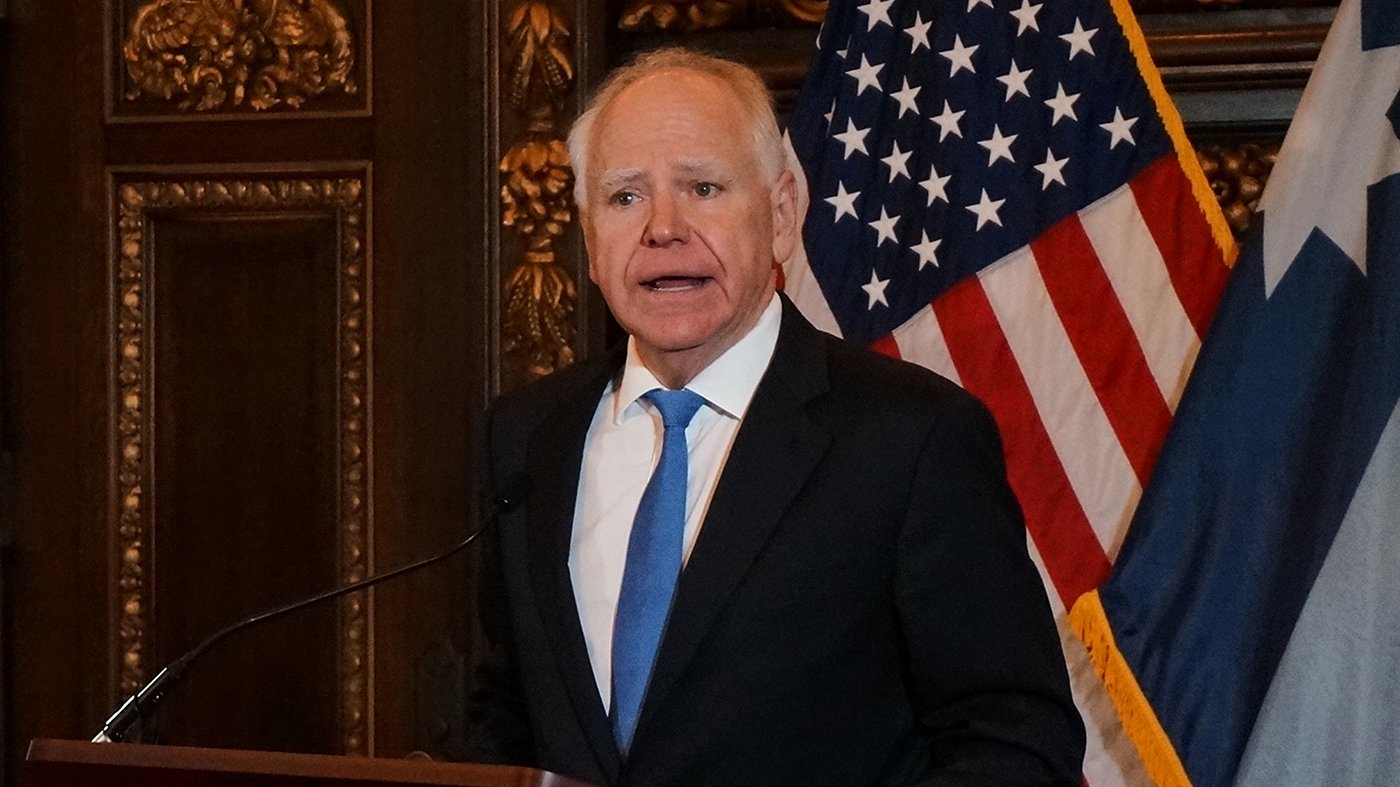
A federal judge in Minnesota has thrown out multiple Department of Justice grand jury subpoenas that targeted Democratic Governor Tim Walz, Minneapolis Mayor Jacob Frey, and other state officials, ruling the Trump administration sought to weaponize federal law enforcement against political adversaries.
U.S. District Judge Patrick Schiltz, a George W. Bush appointee, issued a 29-page ruling that left no ambiguity about the subpoenas’ purpose. “There is no doubt” the DOJ issued them to “harass” Trump’s political opponents into cooperating with his immigration enforcement agenda, Schiltz wrote.
“And, of course, this campaign played out against the backdrop of the Trump administration’s well-established history of using criminal investigations to retaliate against and pressure the President’s political and personal adversaries,” the judge added, citing a pattern of behavior that has drawn scrutiny from legal experts and lawmakers alike.
The subpoenas had sought documents and testimony related to Minnesota’s sanctuary policies, which limit local cooperation with federal immigration authorities. The Trump administration has aggressively targeted so-called sanctuary jurisdictions, but critics argue the legal maneuvers crossed into retribution. The Hill has reached out to the DOJ for comment on the ruling.
Political Fallout and Broader Pattern
The decision lands amid a broader rift between Trump and some Republican figures. Senator John Cornyn recently broke with the former president, saying Trump “revels in chaos” after a primary loss, signaling growing unease within the GOP about Trump’s tactics. Similarly, Trump’s feud with Senate Republicans has deepened as midterms approach, raising questions about party unity.
Legal analysts have pointed to other instances where the Trump administration appeared to target opponents through federal investigations. Former Defense Secretary Mark Esper has questioned the quality of advice Trump receives, warning of constitutional loyalty gaps among top officials. The judge’s ruling reinforces concerns that the DOJ’s independence has been compromised.
National Security and Immigration Context
Immigration enforcement remains a flashpoint. The Trump administration’s pressure on sanctuary cities has sparked multiple legal battles, with courts often siding against the federal government. Meanwhile, national security experts have warned that the administration’s approach risks undermining intelligence coordination, as seen in Trump’s plan to gut the Office of the Director of National Intelligence.
The Minnesota case is one of several high-profile clashes between the Trump DOJ and Democratic officials. In a separate development, seven Democratic states opted out of a Trump-backed state fair, citing costs and partisan fears. The pattern has led some to accuse the administration of using federal power to punish political foes.
As the 2024 election cycle heats up, the ruling may embolden other states to resist federal subpoenas. Schiltz’s decision sets a precedent that judges are willing to push back against what they see as politically motivated prosecutions.
The DOJ has not indicated whether it will appeal the ruling. For now, Minnesota officials have won a significant legal victory, but the broader battle over immigration enforcement and executive overreach is far from over.