The Senate on Friday delivered a resounding bipartisan rebuke to Moscow, passing a long-sought measure that would slap harsher sanctions on Russia and the five largest purchasers of its oil, while also renewing existing penalties against Iran. The final tally was 86-11, reflecting broad consensus in a chamber often divided along partisan lines.
The legislation, a key priority of the late Sen. Lindsey Graham (R-S.C.) before his sudden death in early July, is designed to intensify economic pressure on the Kremlin and those who continue to fuel its war machine. It also extends sanctions on Tehran, a provision added at the request of President Trump to prevent long-standing restrictions from expiring at year's end.
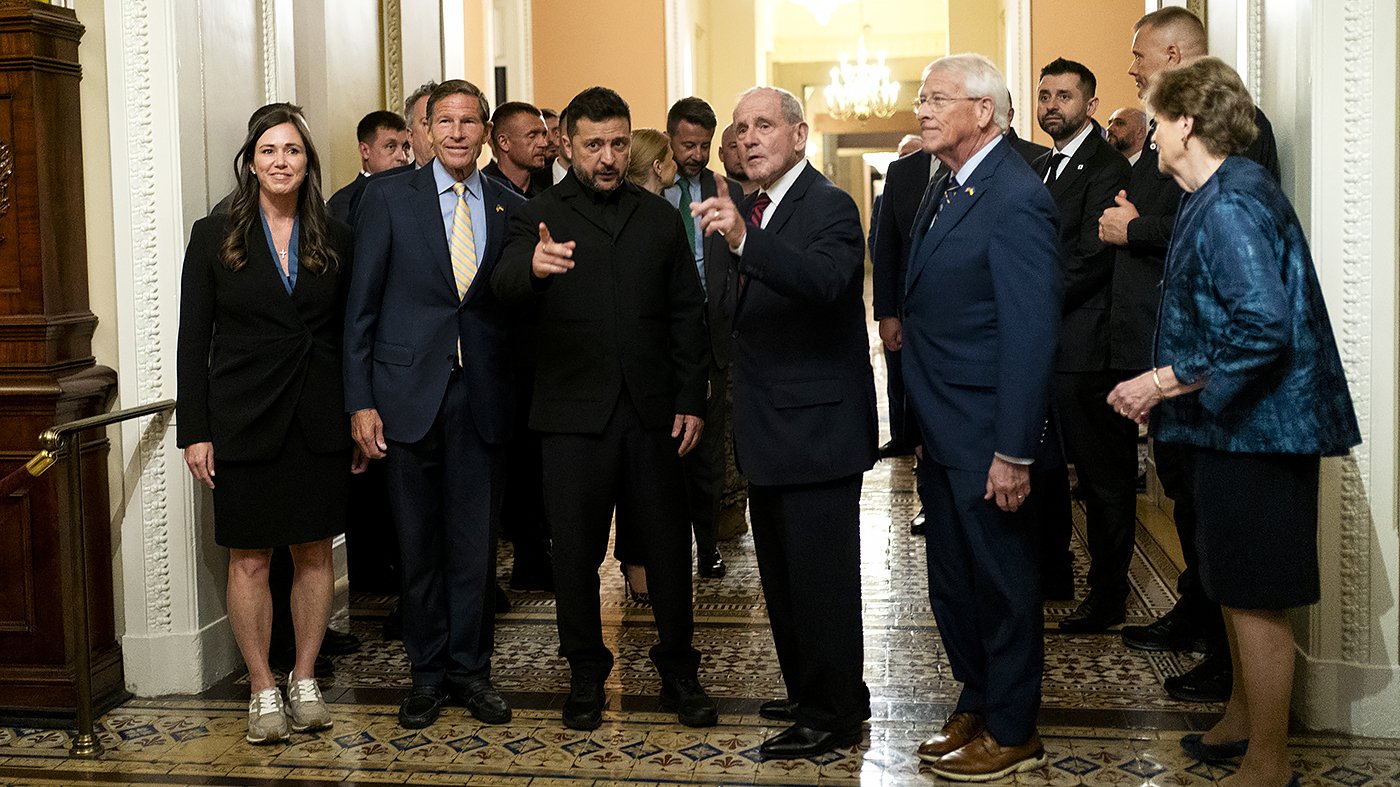
Lawmakers framed the vote as a tangible show of solidarity with Ukraine, which has been battling Russian invasion for over two years. Many senators met with Ukrainian President Volodymyr Zelensky last month after he attended Graham's funeral, where he urged both increased military assistance and swift passage of the sanctions package.
Sen. Chris Coons (D-Del.) said the bill signals Congress's resolve, but stressed that the onus is on Trump to act decisively. "Zelensky's been clear with us; they're steadily running out of interceptors," Coons told The Hill. "Putin has made it clear he's going to continue killing civilians and pummeling. And what really matters is not this bill; it's what does Donald Trump do with it? Will President Trump finally actually take the side of the country that is aligned with our values and our interests and our priorities against the country that isn't? And we can pass a bill as an important sign that Congress wants him to take more of an active role, but he's got to decide to do it. That's what matters."
The bill's specifics, however, created friction among Democrats, who broadly back Ukraine but voiced concerns about the expanded authority it would grant Trump to impose tariffs on nations deemed "facilitators" of Russian sanctions evasion. Sen. Raphael Warnock (D-Ga.) warned of potential abuse, telling reporters, "We've seen the ways in which he illegally uses the authorities he has. I think we can write this bill in such a way that we do the necessary work of stopping Putin's aggression, while at the same time not giving the president even more authorities to handle tariffs in the reckless way in which he is doing it."
The measure now heads to the House, where its fate remains uncertain given the chamber's narrow Republican majority and divisions over trade policy. If enacted, it would represent one of the most aggressive economic actions against Russia since the invasion of Ukraine, and it could strain relations with key energy importers such as India and China.
The bill's passage also comes amid a broader geopolitical realignment, with Iran, Russia, and China deepening their coordination in the Middle East and beyond, challenging U.S. influence. The extension of Iran sanctions is seen as a counter to that bloc, though critics question its effectiveness given Tehran's continued defiance.
Meanwhile, the administration's handling of Russia-related matters has drawn scrutiny, including a former FBI supervisor charged with stealing cryptocurrency from accounts linked to Russian actors, raising questions about oversight of such assets.
As the legislative process moves forward, lawmakers on both sides are watching to see whether Trump will fully implement the sanctions or use the new tariff powers in ways that could spark trade disputes. The bill's sponsors argue it is a necessary lever to force Russia to the negotiating table, but its ultimate impact may hinge on the president's willingness to enforce it.