President Trump has selected Dennis Kirk, a former White House official and co-author of a chapter in the conservative Project 2025 playbook, to serve as the Interior Department’s inspector general. The nomination, announced this week, has drawn sharp criticism from ethics watchdogs and former officials who argue that placing a political loyalist in an independent oversight role could undermine the office’s integrity.
Kirk, who previously worked in the White House Office of Personnel Management during the first Trump administration, would step into a position traditionally held by nonpartisan career officials. His appointment follows a pattern of the administration placing allies in watchdog roles, including a reported stint inside the intelligence community’s oversight office last year, as detailed in recent reporting on political placements.
Watchdog Independence at Risk
Mark Greenblatt, who served as the Interior Department’s inspector general until he was ousted in a broader Trump administration purge of watchdogs last year, voiced alarm over the nomination. In an interview, Greenblatt highlighted the unique dangers of having a politically affiliated figure in a role that is meant to be shielded from executive branch influence.
“You have whistleblowers who come to the Office of Inspector General to make complaints, including complaints about senior political officials and sensitive political programs, and their names and identities are supposed to be kept confidential,” Greenblatt said. “But if you have an administration mole in the office, all of a sudden, does that information become fair game to the administration?”
His comments reflect broader unease among Democrats and government accountability advocates who see the nomination as part of a wider effort to weaken independent oversight. The Senate Democrats have already begun to mobilize, with several members writing to the Interior inspector general’s office this week to request a probe into the ongoing controversy surrounding the Lincoln Memorial Reflecting Pool.
Reflecting Pool Controversy Adds Urgency
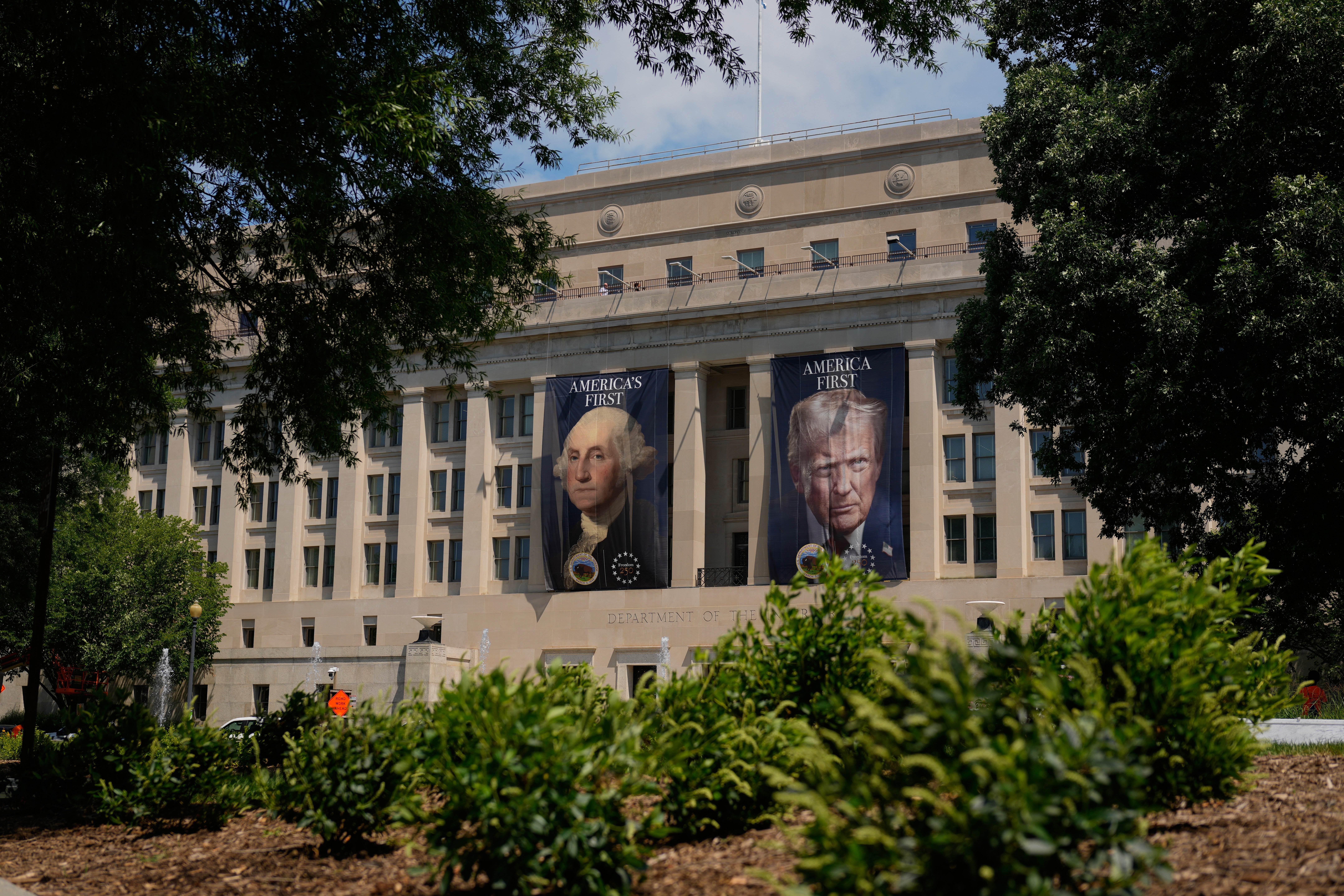
The nomination lands as the Interior Department faces heightened scrutiny over its handling of the Lincoln Memorial Reflecting Pool, a project that has become a flashpoint in the administration’s dealings. Recent reports indicate that contracts for work on the pool were issued through an atypical no-bid process, raising questions about transparency and oversight.
Trump and Interior Secretary Doug Burgum have accused “vandals” of damaging the pool, but U.S. Attorney Jeanine Pirro moved to drop charges against individuals accused in the incident, citing a “botched” installation of a coating at the site. Senate Democrats have seized on the situation, requesting an investigation into the contracting and the administration’s public statements.
This controversy has amplified concerns about Kirk’s potential role. If confirmed, he would oversee investigations into such matters, including those that could implicate senior political appointees. Critics argue that his presence could chill whistleblowers from coming forward, fearing their identities might be exposed to the administration.
Kirk’s nomination also comes amid broader battles over the administration’s use of executive power, including disputes over spending and oversight. Lawmakers have recently clashed over spending and recess negotiations, with some Republicans pushing for more aggressive tactics. The inspector general role is seen as a critical check on such executive actions.
Greenblatt, who now serves as a senior fellow at a government accountability group, warned that the nomination could set a dangerous precedent. “The inspector general’s office exists to be independent,” he said. “If that independence is compromised, the entire system of checks and balances is weakened.”
Kirk has not yet commented publicly on his nomination. The Senate will need to confirm him, and the process is expected to be contentious, with Democrats likely to press him on his political affiliations and his ability to remain impartial. The White House has defended the pick, citing Kirk’s experience in federal management and his commitment to rooting out waste and fraud.
For now, the nomination remains pending, but the debate it has ignited reflects deeper tensions over the administration’s approach to oversight and accountability. As the Senate prepares to consider Kirk’s appointment, the fate of the Interior Department’s watchdog office—and the investigations it conducts—hangs in the balance.