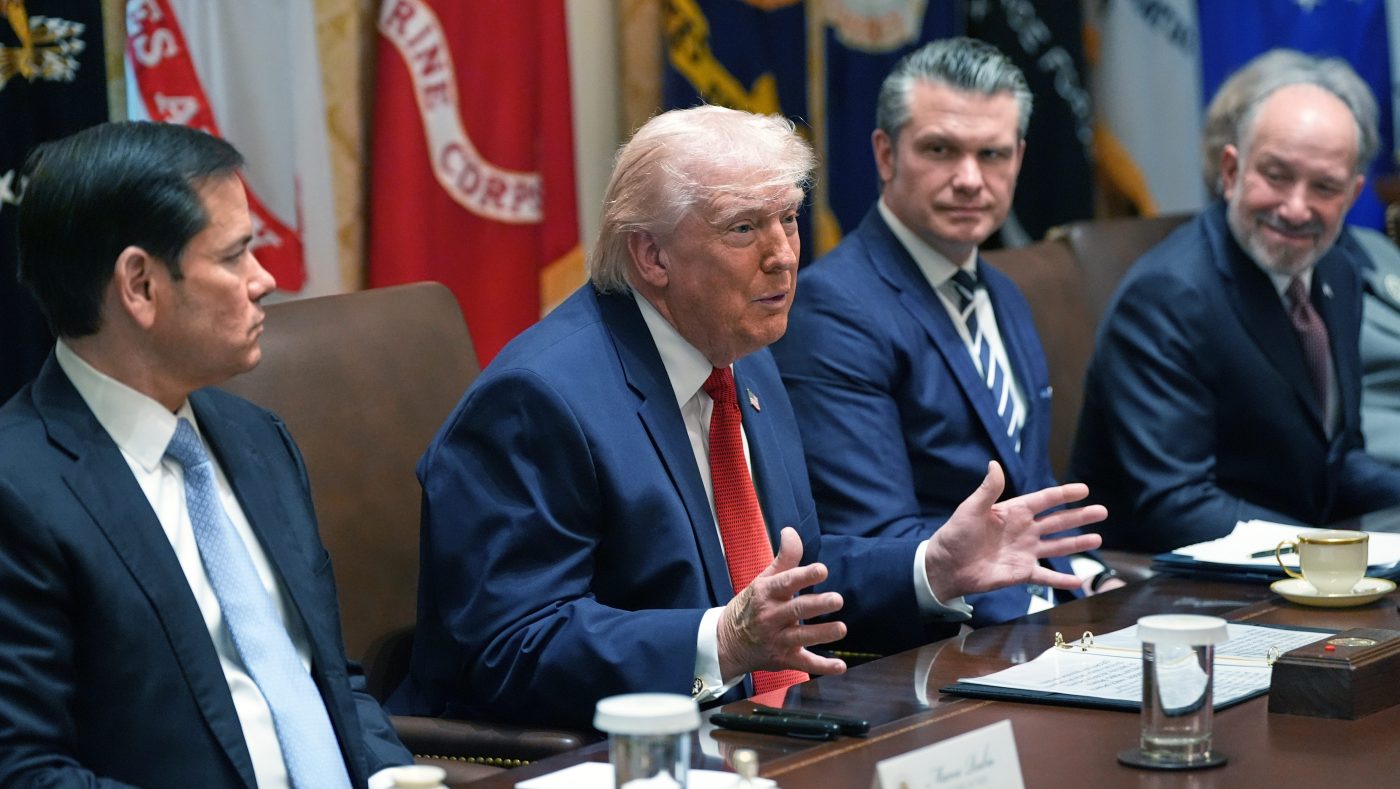
President Donald Trump disclosed Thursday that U.S. military leadership expressed significant interest in the construction of a new $400 million White House ballroom, characterizing aspects of the project as a national security matter that was intended to remain confidential. The remarks came during a Cabinet meeting where the president addressed ongoing legal and political challenges surrounding the ambitious renovation.
Revealing a 'Secret' Component
"Now it's no secret, the military wanted it more than anybody," Trump said of the ballroom project. He asserted that details of the military's involvement were "supposed to be secret" but became public through disclosures by individuals he described as "really unpatriotic." Despite the exposure, the president insisted the outcome would be positive, adding, "But doesn't matter, it's going to be great."
The project, which required the demolition of the White House East Wing last year, has been a frequent priority for Trump. He has framed the 90,000-square-foot ballroom as a necessary venue for hosting state dinners, galas, and diplomatic events with world leaders. The White House maintains that private donations are funding the construction.
Historical Precedent and Modern Speculation
The East Wing has historical connections to secure infrastructure. During its expansion in the 1940s following the attack on Pearl Harbor, President Franklin D. Roosevelt ordered a bomb shelter built beneath the structure, according to the White House Historical Association. This history has fueled contemporary speculation about the current project's scope.
In January, a CNN report suggested the ballroom might include a "top-secret project" and that Trump was "rebuilding a secret bunker under the East Wing." The president's latest comments about military interest and secrecy appear to align with these reports, though he did not provide specific details about the security features.
Legal and Preservationist Backlash
The ballroom, slated for completion by 2028, has encountered substantial opposition. In December, the National Trust for Historic Preservation sued the Trump administration to halt construction. The lawsuit demands the White House obtain congressional approval and conduct a public comment period alongside independent reviews before proceeding.
Trump addressed the litigation during his remarks, expressing frustration with legal challenges to his initiatives. "Everything I do, I get sued," he stated, referencing both the ballroom and lawsuits involving the planned two-year closure of the Kennedy Center. "I get sued over a ballroom that's going to be the most beautiful ballroom in the country — so desperately needed."
The controversy occurs amid other high-stakes legal pressures on the administration. Recent filings, such as those where Trump's legal team claims the DOJ and FBI have been purged of personnel involved in past Trump investigations, highlight a contentious environment. Furthermore, the administration's actions in foreign policy arenas, like military engagements in Iran that have drawn war powers scrutiny, continue to spark debate and oversight demands from Congress.
Broader Political Context
The ballroom dispute feeds into wider political narratives concerning transparency and executive authority. It emerges as the administration faces criticism on multiple fronts, including domestic policy where Senate Democrats are demanding the withdrawal of a Trump rule projected to strip ACA coverage from millions. Public perception remains a challenge, with polling indicating Trump's vulnerabilities on issues like inflation and character creating opportunities for political opponents.
The revelation of military interest in a domestic construction project also intersects with ongoing defense and oversight discussions. Lawmakers, including House Armed Services Chair Mike Rogers, have demanded greater transparency on military campaigns, reflecting heightened congressional vigilance over executive branch actions with national security implications.
As construction is set to continue pending legal outcomes, the White House ballroom project stands as a physical and symbolic flashpoint, blending debates over presidential legacy, fiscal responsibility, historical preservation, and the opaque intersection of luxury and national security.