Congresswoman Joyce Beatty (D-Ohio) has petitioned a federal judge to issue an injunction preventing the John F. Kennedy Center for the Performing Arts from appending former President Donald Trump's name to its institution and physical signage. In a motion for partial summary judgment filed Wednesday, Beatty, who serves as an ex officio member of the center's board, contends the board's actions directly contravene the federal statute that created the national cultural center as a memorial exclusively honoring the 35th president.
Legal Challenge to Board's Fiduciary Duty
Beatty's legal team, led by attorneys Norm Eisen and Nathaniel Zelinsky, argues the board hand-picked by Trump has committed a fundamental breach of its fiduciary duty. "There is no clearer or more significant breach of fiduciary duty than the Board flouting the central purpose of the institution it is charged with protecting and which Congress enshrined into law: to maintain the Center as a memorial to John F. Kennedy — and to no one else," the motion states. The lawsuit, initially filed in December, targets Trump and fellow board members over efforts to "rename, shutter and gut" the landmark institution.
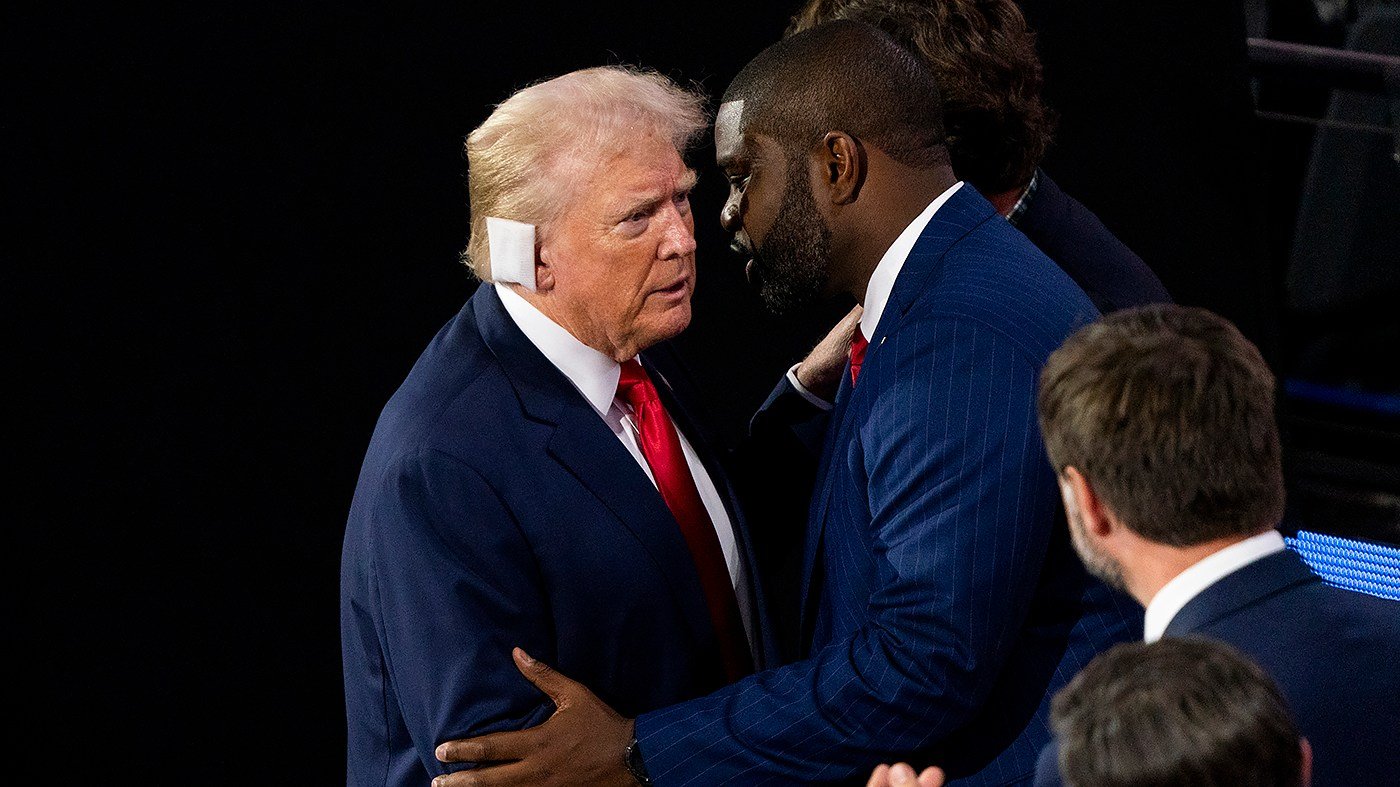
The legal filing follows a board vote late last year to change the institution's name to include Trump's, after which the building's exterior signage was physically altered. The motion asserts that Trump and the board have yet to present a "coherent defense of their nakedly unlawful actions." This dispute unfolds as the Trump administration faces scrutiny on multiple governance fronts, including prolonged departmental shutdowns.
Statutory Language at the Core of the Dispute
The crux of Beatty's argument rests on the precise language of the 1964 law that established the Kennedy Center. The statute mandates that the board construct "a building to be designated as the John F. Kennedy Center for the Performing Arts." Her lawyers contend the word "designated" explicitly establishes Kennedy as the sole namesake. Furthermore, they cite provisions requiring trustees to "assure" that "no additional memorials or plaques in the nature of memorials shall be designated or installed" in public areas of the center.
The motion acknowledges three narrow statutory exceptions: plaques for gifts from foreign countries, plaques on donated theater chairs or boxes, and inscriptions on certain interior walls. "None of these narrow exceptions permit the trustees to add President Trump’s name to the Center’s façade — above President Kennedy’s name — and to rebrand the Center as the 'Trump Kennedy Center,'" Eisen and Zelinsky wrote. This legal confrontation highlights ongoing tensions between executive actions and congressional intent, a theme also visible in debates over major healthcare policy frameworks.
Broader Effort to Halt Closure and Rebuild
Beyond the naming dispute, Beatty's legal action seeks to block a separate board plan, supported by Trump, to shutter the Kennedy Center for a two-year period to facilitate a complete rebuild of the facility. A federal judge earlier this month granted Beatty the right to participate in the board meeting where this closure plan was formalized but did not compel the board to allow her a vote on the measure. The potential closure threatens to disrupt the center's cultural programming, including prestigious events like the Mark Twain Prize, which is scheduled for a final ceremony before the proposed shutdown.
The case represents a significant flashpoint in the political and cultural wars surrounding Trump's legacy projects. It pits a congressional member's statutory oversight role against a board's operational authority, with the enduring symbolism of a presidential memorial at stake. The outcome may set a precedent for how federal laws governing such institutions are interpreted and enforced against politically charged alterations.
Beatty's challenge arrives amid a complex political landscape for the former president, whose public standing has faced pressure from various directions, including record disapproval ratings during foreign policy crises. The lawsuit underscores the continuing legal and institutional battles that persist beyond Trump's term, testing the boundaries of presidential influence over federally chartered entities.