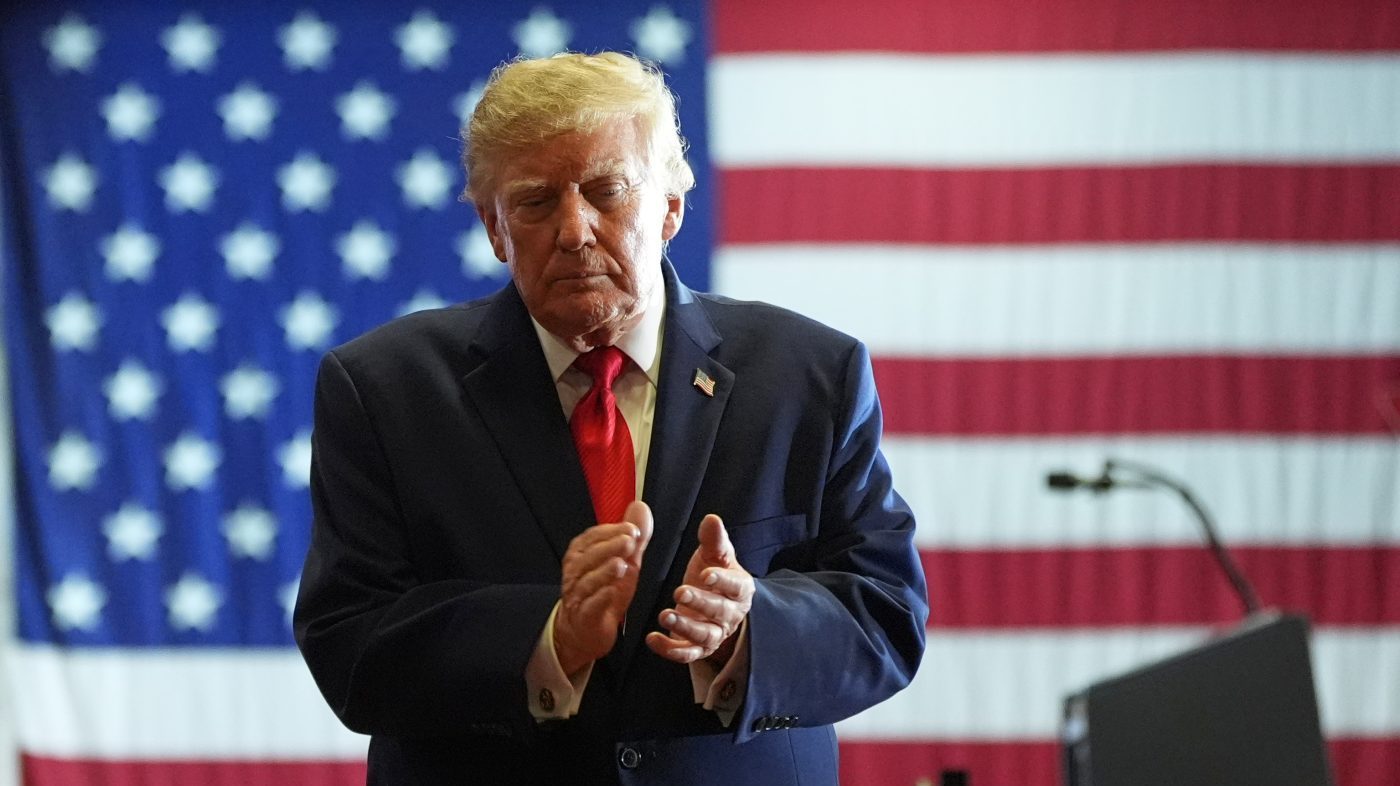
President Donald Trump has added “communist” to his arsenal of political epithets, targeting Democrats with a sharp new line of attack as the midterm elections approach. Speaking at the Faith & Freedom Coalition conference in Washington, Trump warned of a “horrible thread of cancer that’s permeating our country called communism,” linking the Democratic Party to the Democratic Socialists of America (DSA).
The move is hardly subtle—Trump’s style rarely is—but it reflects a calculated effort to paint the party as veering far left. The Washington Post reported that Trump’s rhetoric escalated after self-described democratic socialists won primaries in New York, previewing a central theme for his midterm campaigning. This isn’t just name-calling; it’s a strategic play to tie moderate Democrats to a platform that includes public ownership of key industries, a wealth tax, and defunding law enforcement.
The DSA’s Rising Influence
The DSA’s platform is a lightning rod. It calls for “public ownership over major transportation and energy infrastructure,” a step toward government control that Trump and his allies argue echoes communist doctrine. New York Mayor Zohran Mamdani, a DSA member, told CNN he has “many critiques of capitalism” and recently backed a rent freeze barring owners of nearly 1 million apartments from raising rents for two years. Trump seized on the move, saying, “They’re basically confiscating their property.”
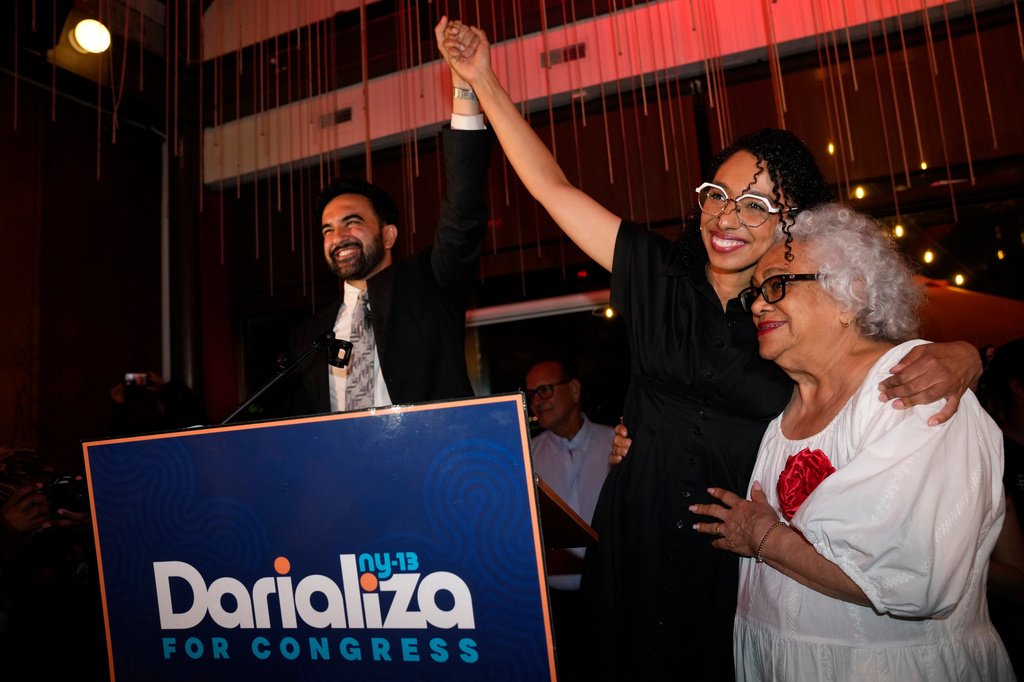
The wealth tax is another flashpoint. Once a fringe idea, it’s now a staple in Democratic primaries, as noted by a Wall Street Journal op-ed that called it “sold on the lie that the rich don’t pay taxes.” The DSA also advocates for abolishing police, defunding law enforcement, slashing the Defense Department budget, eliminating ICE, and providing free childcare and Medicare for all with no co-pays or premiums. Darializa Avila Chevalier, a Mamdani-endorsed socialist who won her primary, used a since-deleted X account to call the U.S. a “f—ing disgrace” and urged followers to “seize the means of production,” along with calls to abolish police, prisons, and borders.
These positions give Trump and congressional Republicans ample ammunition. As the midterms heat up, they’re likely to hang these words around the necks of every so-called moderate Democrat, forcing a choice between distancing themselves from the far left or embracing an agenda that polls poorly in swing districts.
A Movement Beyond New York
The DSA’s ambitions extend far beyond the five boroughs. While critics dismiss the movement as a Brooklyn fad—Wall Street Journal columnist Gerry Baker quipped that “what passes for cool radicalism in Brooklyn’s Park Slope would get you a psychiatric evaluation in most of the country”—recent wins suggest otherwise. In Colorado’s deep-blue 1st Congressional District, 29-year-old Melat Kiros, endorsed by Senator Bernie Sanders, defeated 26-year incumbent Diana DeGette. Kiros was born the year DeGette first took office in 1997.
This victory, nearly 2,000 miles from New York, signals that democratic socialism is not a regional curiosity but a growing force within the Democratic Party. The DSA’s success in urban primaries challenges the national party’s strategy, as these wins force Democrats to confront a base that is increasingly skeptical of centrist leadership. Meanwhile, Trump’s own financial maneuvers, including a $2 billion fundraising haul, give Democrats ammunition on affordability ahead of the midterms, but the socialist label could undercut that message.
What’s Next for the Democratic Party?
Looking past the midterms, the DSA’s trajectory raises questions about the party’s future leadership. Senator Chuck Schumer and Representative Hakeem Jeffries, the current Democratic leaders, may be yesterday’s politicians in the eyes of the hard left. Representative Alexandria Ocasio-Cortez, a Sanders protégé, is a potential presidential contender, and Mamdani’s election-night speech captured the movement’s confidence: “A year ago, it was not the end of a political movement. It was the beginning.”
For now, Trump’s “communist” label is a blunt tool, but one that resonates with his base and forces Democrats to defend positions that many voters find extreme. Whether it’s enough to sway the midterms—or whether the DSA’s momentum will reshape the party for years to come—remains to be seen. But as Mamdani’s supporters cheered in New York, the message was clear: the leftward shift is only beginning.