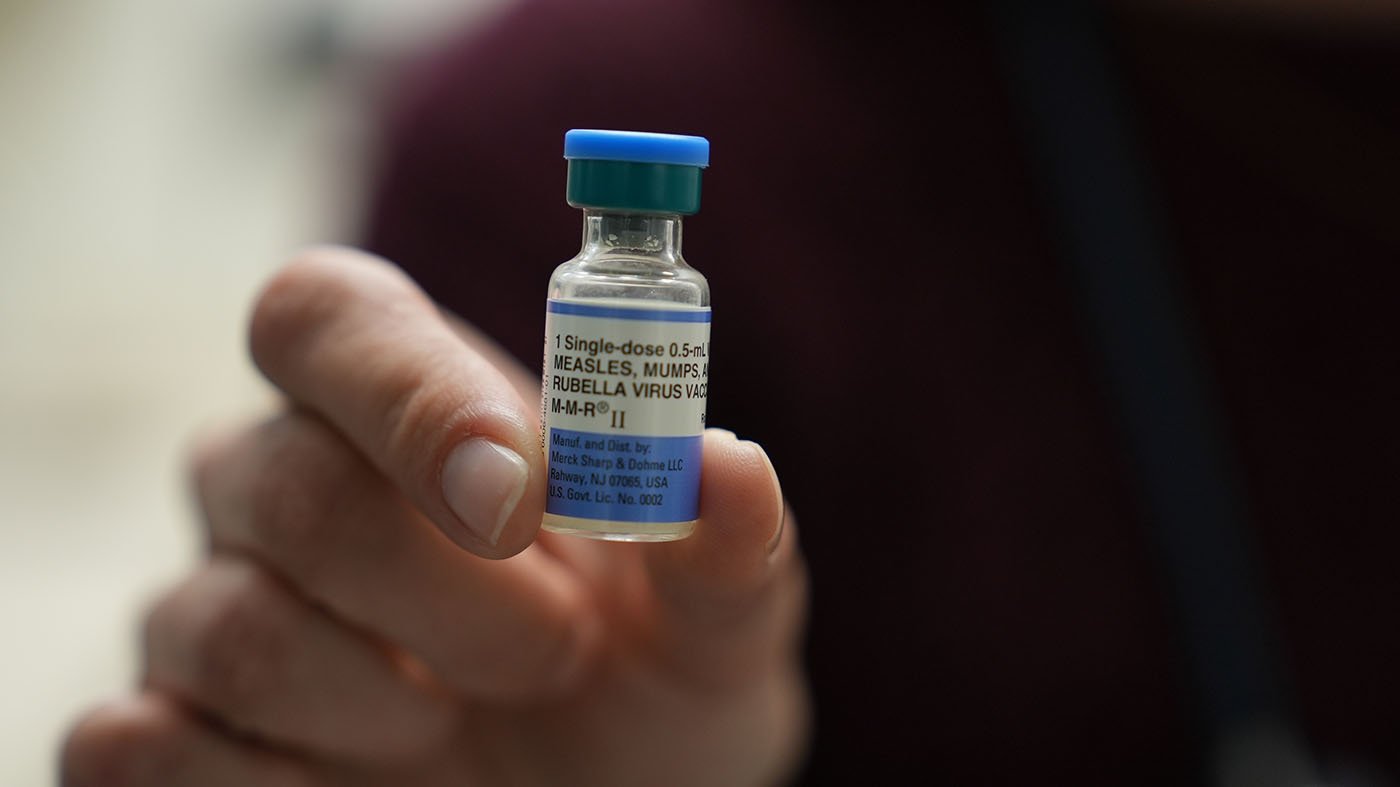
The Centers for Disease Control and Prevention (CDC) released new data on Monday showing that measles, mumps, and rubella (MMR) vaccination coverage among kindergarteners in the United States remains below the level needed to effectively prevent widespread outbreaks. For the 2025-2026 school year, 92.4% of kindergarteners had received the MMR vaccine, a marginal decline from the 92.5% recorded the previous year.
Public health experts consider a coverage rate of at least 95% necessary to maintain herd immunity and prevent sustained transmission. The U.S. has consistently fallen short of that benchmark since the 2019-2020 school year, when coverage stood at 95.2%. Since then, rates have hovered below 94%.

More concerning, the CDC's report shows a notable increase in vaccine exemptions. Exemptions rose from 3.6% to 4.2% during the same period, with 41 states and Washington, D.C., reporting increases. Among those, 24 states reported exemption rates exceeding 5%.
The data arrives as the country grapples with its most severe measles outbreak in over three decades. As of the CDC's latest update, 2,566 measles cases have been reported across 47 jurisdictions this year. Infectious disease specialists warn that even small clusters of undervaccinated communities can allow measles to spread rapidly.
The findings have intensified political scrutiny on vaccination policy. Last week, President Trump signed an executive order directing that the MMR vaccine be administered as separate doses at different visits, rather than the combined shot currently used. Critics, including pediatricians and public health officials, argue that this change would likely reduce immunization compliance, as families would face additional appointments and co-pays. Moreover, no monovalent vaccines for measles, mumps, or rubella are currently available in the U.S., making the order logistically impossible to implement immediately.
The order has sparked bipartisan backlash. Senator Bill Cassidy called the move driven by “crazy, stupid” claims, and Senator John Cornyn cited CDC data in rebuking the order. Pediatricians have blasted the order as dangerous, and drugmakers have pushed back on its feasibility.
The executive order is part of a broader effort by the administration to overhaul the childhood vaccine schedule, which experts warn could undermine decades of progress in preventing infectious diseases. The order has been criticized for undermining public health consensus, and it is likely to become a flashpoint in the upcoming midterm elections.
With measles cases continuing to climb and vaccination rates stagnating, public health officials stress that maintaining high immunization coverage remains the most effective tool to protect communities. The CDC's latest figures underscore the urgency of addressing both access barriers and misinformation that contribute to rising exemption rates.