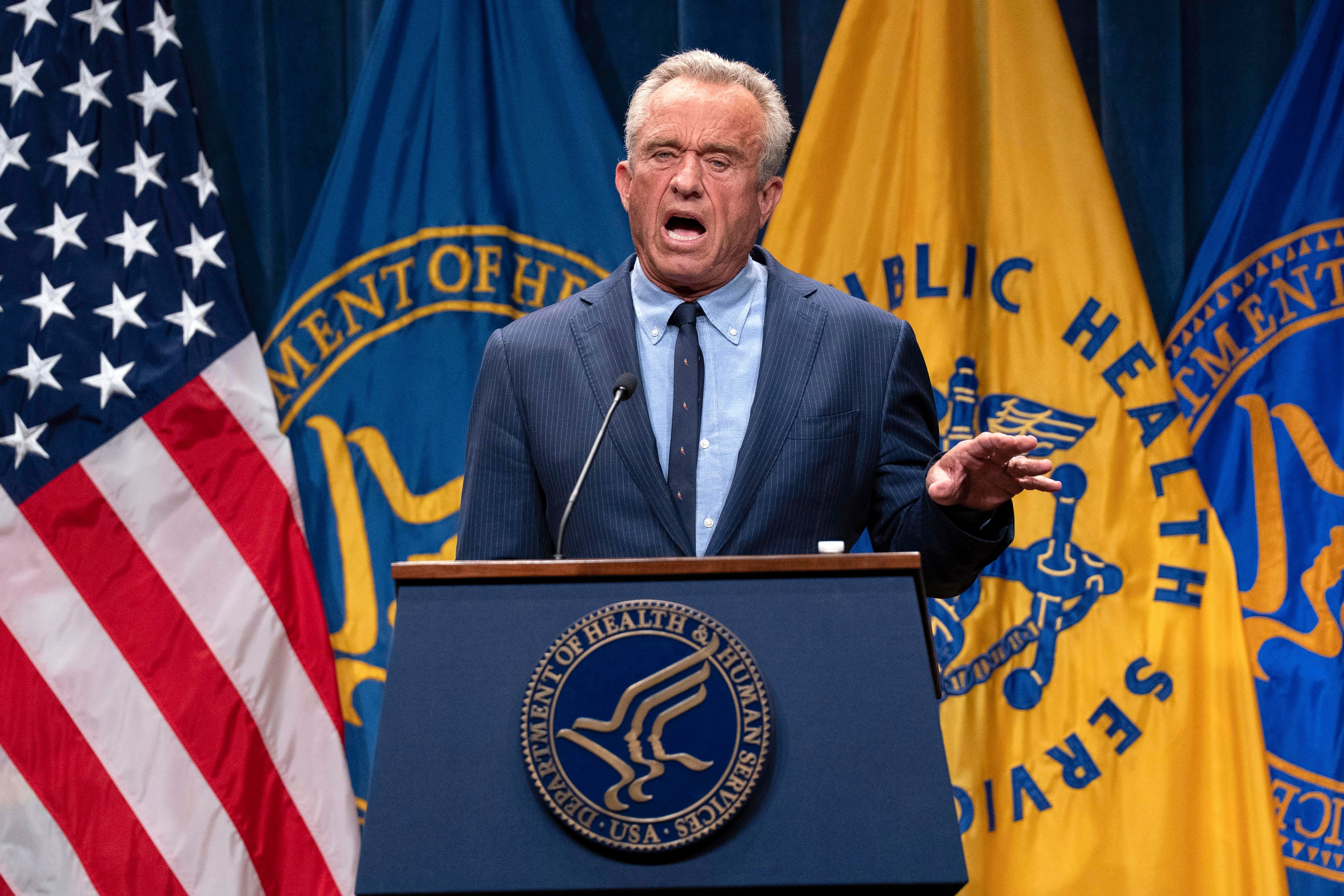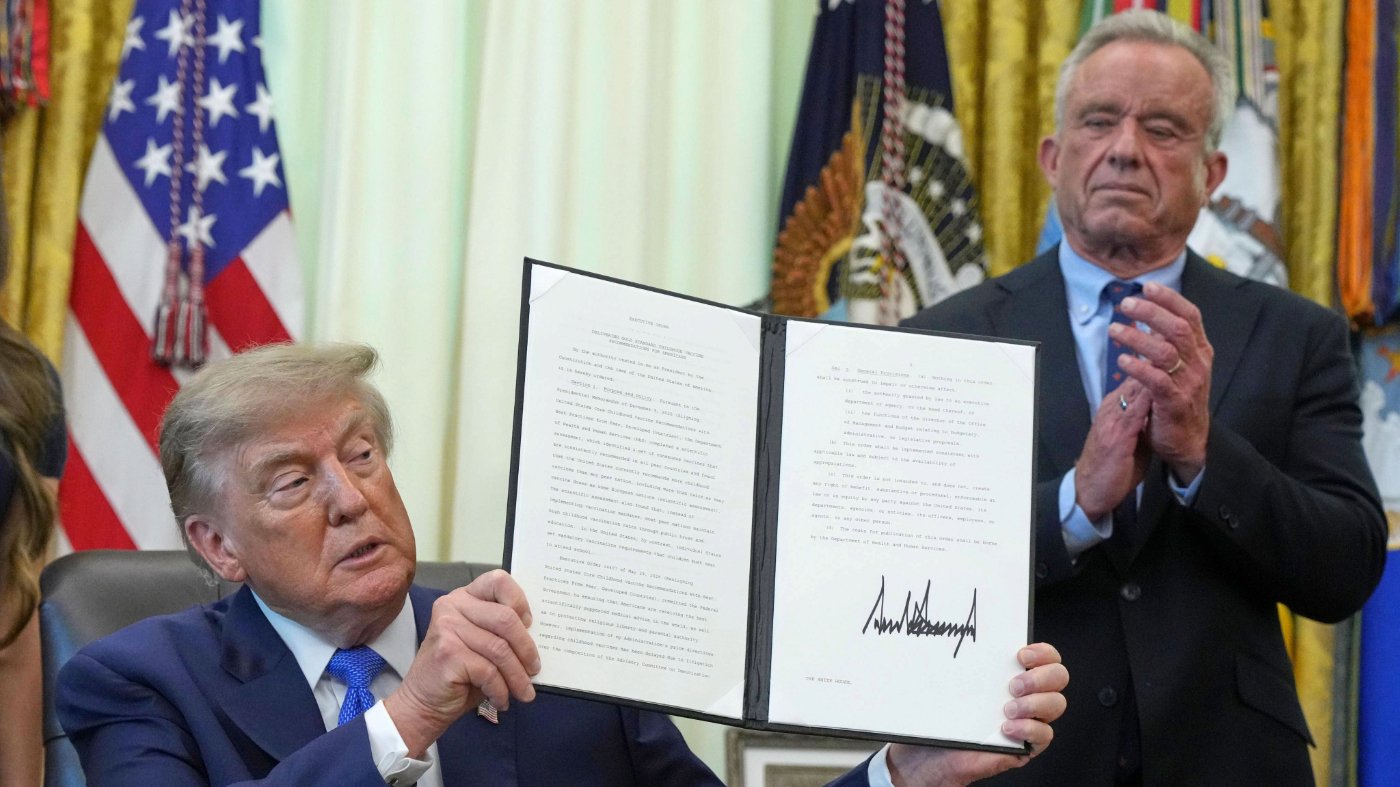
President Trump on Monday signed an executive order that significantly weakens longstanding childhood vaccination schedules, a move that has drawn sharp criticism from the medical community and some lawmakers. The order, issued with Health and Human Services Secretary Robert F. Kennedy Jr. at his side, represents the latest in a series of administrative actions that prioritize political ideology over scientific expertise.
The executive order follows an earlier attempt by the administration to reshape the CDC's Advisory Committee on Immunization Practices (ACIP) by appointing individuals with anti-vaccine views. That effort was struck down in court after medical organizations sued, with judges ruling that the administration's actions were unlawful and that any recommendations from the reconstituted panel had to be vacated. Undeterred, the president has now used an executive order to achieve what the courts prevented.

This move is part of a broader pattern of the Trump administration using executive orders to circumvent Congress and sideline expert advisory panels. Since taking office, Trump has issued more than 220 executive orders, many of which have targeted health and science agencies. The latest order on vaccines is a clear example of the administration's willingness to override scientific consensus, despite the fact that the majority of Americans—including many who support the Make America Healthy Again initiative—favor requiring childhood vaccinations before kindergarten.
The timing of the order is particularly concerning, as the United States is currently experiencing a resurgence of vaccine-preventable diseases like measles at rates not seen in decades. Public health experts warn that weakening vaccination schedules will only exacerbate this trend, endangering children and undermining decades of progress.
The administration's actions are not limited to vaccines. Earlier, Trump withdrew the U.S. from the World Health Organization, a decision that scientists warned would compromise the nation's ability to respond to global outbreaks. The administration also ended support for USAID, with estimates suggesting that millions of deaths in Africa could result from the loss of U.S. health programs.
More recently, the administration issued an executive order to "Make America Healthy" by studying chronic diseases, but the resulting report was widely criticized as scientifically unsound and lacking in expert input. Similarly, an order addressing illicit drug addiction came alongside proposed cuts to the Substance Abuse and Mental Health Services Administration, and its recommendations were dismissed by experts as ineffective.
Even the Defense Department has been affected, with Secretary Pete Hegseth ordering mandatory testosterone testing for soldiers over 30—a move that endocrinologists say is based on flawed assumptions. Meanwhile, Kennedy has promoted injectable peptides and excessive protein intake, despite evidence that such practices can be harmful.
The cumulative effect of these actions is a public health landscape that is increasingly confusing for Americans, who are caught between an administration that dismisses scientific guidance and a medical community that is being systematically marginalized. As the administration continues to issue orders that ignore expert consensus, the nation's health is being put at risk.
During the COVID-19 pandemic, Trump repeatedly claimed that the U.S. was "rounding the curve," but over 1.2 million Americans died from the virus. Now, as the administration pushes forward with policies that undermine public health, experts fear that history may repeat itself. The stakes are high, and the need for evidence-based decision-making has never been more urgent.