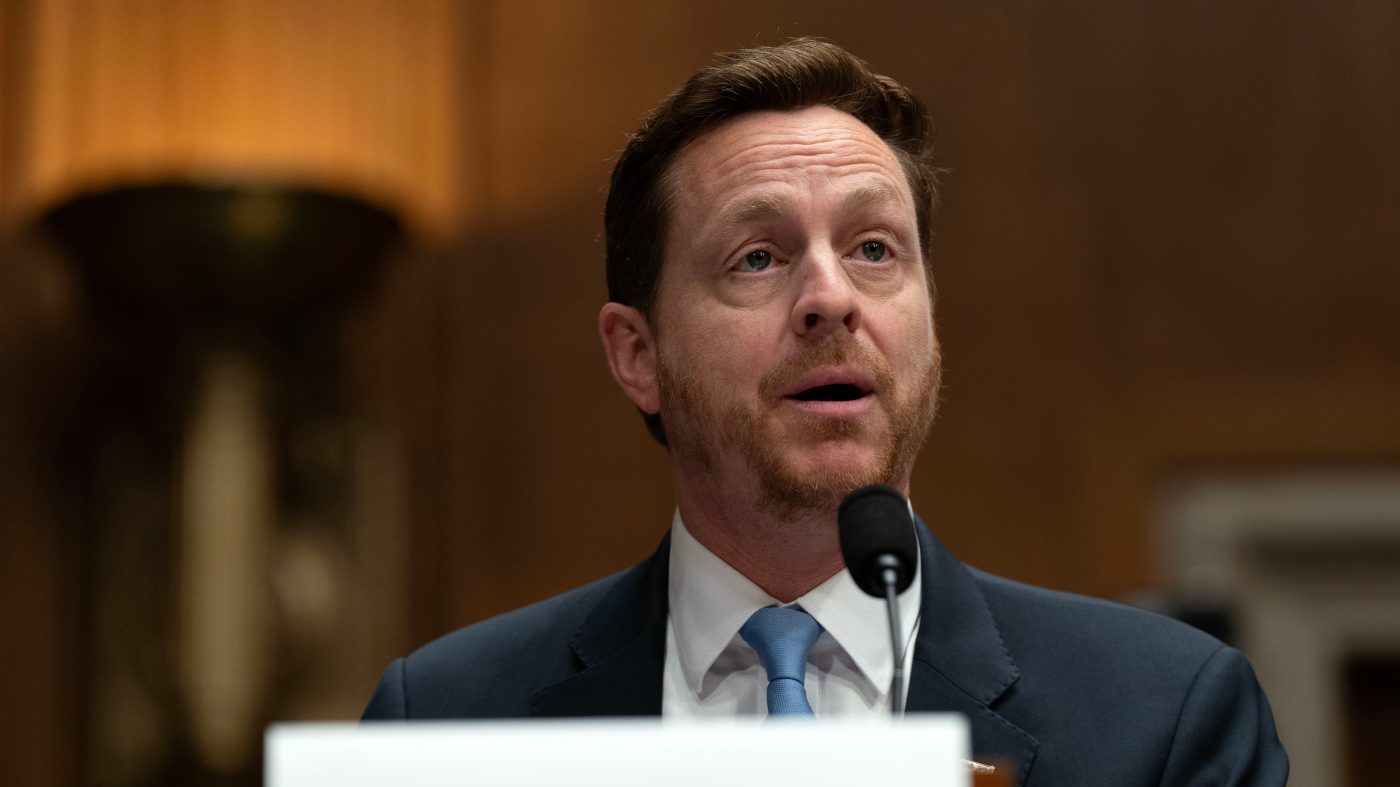
The American Academy of Pediatrics (AAP) has sharply criticized President Trump's latest executive order, which proposes breaking up the combined measles, mumps, and rubella (MMR) vaccine into separate shots and reducing the number of recommended childhood vaccines. In a statement released Monday, AAP President Dr. Andrew Racine called the order "not only disheartening but dangerous," particularly as measles cases in the U.S. have reached a 35-year high and cold and flu season looms.
Dr. Racine, a pediatrician, accused federal leaders of "spreading misleading claims" instead of ensuring families have access to life-saving vaccines for measles, influenza, RSV, and other diseases. He emphasized that the executive order, titled "Gold Standard Childhood Vaccine Recommendations," would undermine public health efforts and sow confusion among parents.
The order, signed by Trump on Monday, directs pediatricians to administer the MMR vaccine as three separate injections rather than the standard combined shot. It also categorizes vaccines into three tiers: those recommended for all children, those for children at high risk, and those requiring a physician's consultation. Under the new guidelines, all children would receive separate vaccines for measles, mumps, rubella, diphtheria, tetanus, pertussis, polio, Hib, pneumococcal disease, HPV, and varicella. However, vaccines for respiratory syncytial virus (RSV), hepatitis A and B, meningococcal B and ACWY, and dengue would be reserved for high-risk children only.
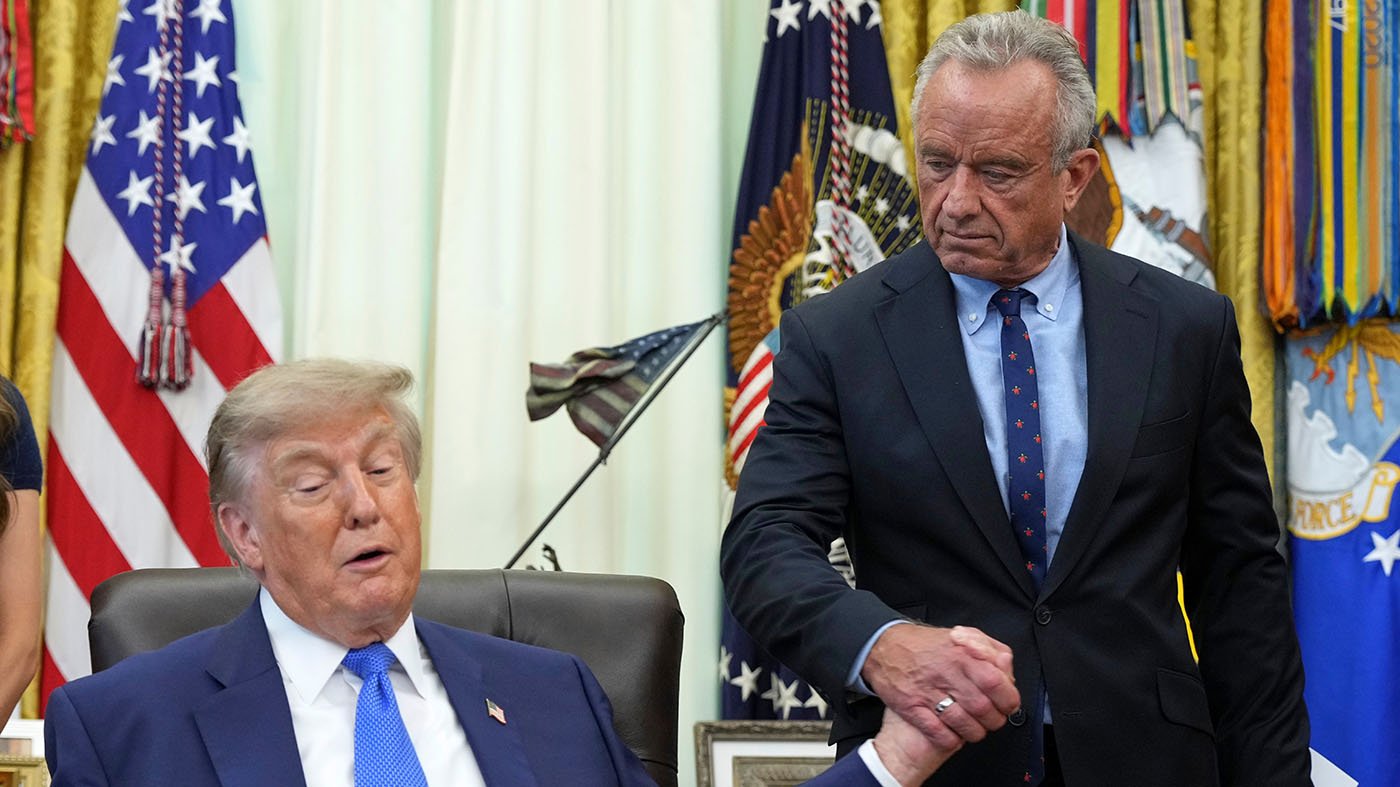
While states set their own vaccination schedules, federal policy often influences them. In the Oval Office, Trump defended his order by claiming that "decades ago, children received only a small fraction of the vaccines required today" and that people were "much healthier" then. He also repeated the debunked claim that vaccines are linked to autism, saying, "There's a reason for such epidemic rates of autism, and we're going to bring it back to where it was."
Dr. Racine pushed back forcefully, stating, "There is no new evidence to justify significant changes to childhood immunization guidance. Dozens of studies involving millions of people show there is no link between vaccines and autism, and yet federal leaders continue to promote this outdated, disproven idea to scare families." He argued that the executive order "will do nothing to support families of children with autism or advance understanding" of the condition, and instead aims to "sow confusion so that more people doubt the importance of vaccines."
The AAP has long advocated for on-time immunization, with Racine adding, "On-time immunization keeps our kids and our communities healthy and thriving. If parents have questions about vaccines, I encourage them to talk with their child's pediatrician or clinician."
Outgoing Sen. Bill Cassidy (R-La.), a medical doctor, also condemned the order. In a social media post, Cassidy wrote that breaking up vaccines "will mean children have to get more shots to get the same protection, not fewer shots. It will increase hesitancy and make children less safe." He added, "Parents should listen to their child's pediatrician about vaccines rather than listening to an inaccurate executive order. This is so wrong." Cassidy's rebuke echoes concerns from medical experts who question the president's authority on such matters.
The executive order comes amid broader debates over vaccine policy and public health. Critics argue that the move is part of a broader pattern of undermining scientific consensus, a concern highlighted in recent GOP releases of Fauci texts. Meanwhile, supporters of the order claim it offers more choice to parents, but pediatricians warn that splitting vaccines increases the number of shots and may reduce compliance.
As measles outbreaks continue to spread, the AAP's strong condemnation underscores the high stakes. The order's impact on state vaccination schedules and pediatric practices remains to be seen, but the medical community is united in its opposition. For now, parents are advised to rely on their pediatricians, not political directives, for vaccine guidance.