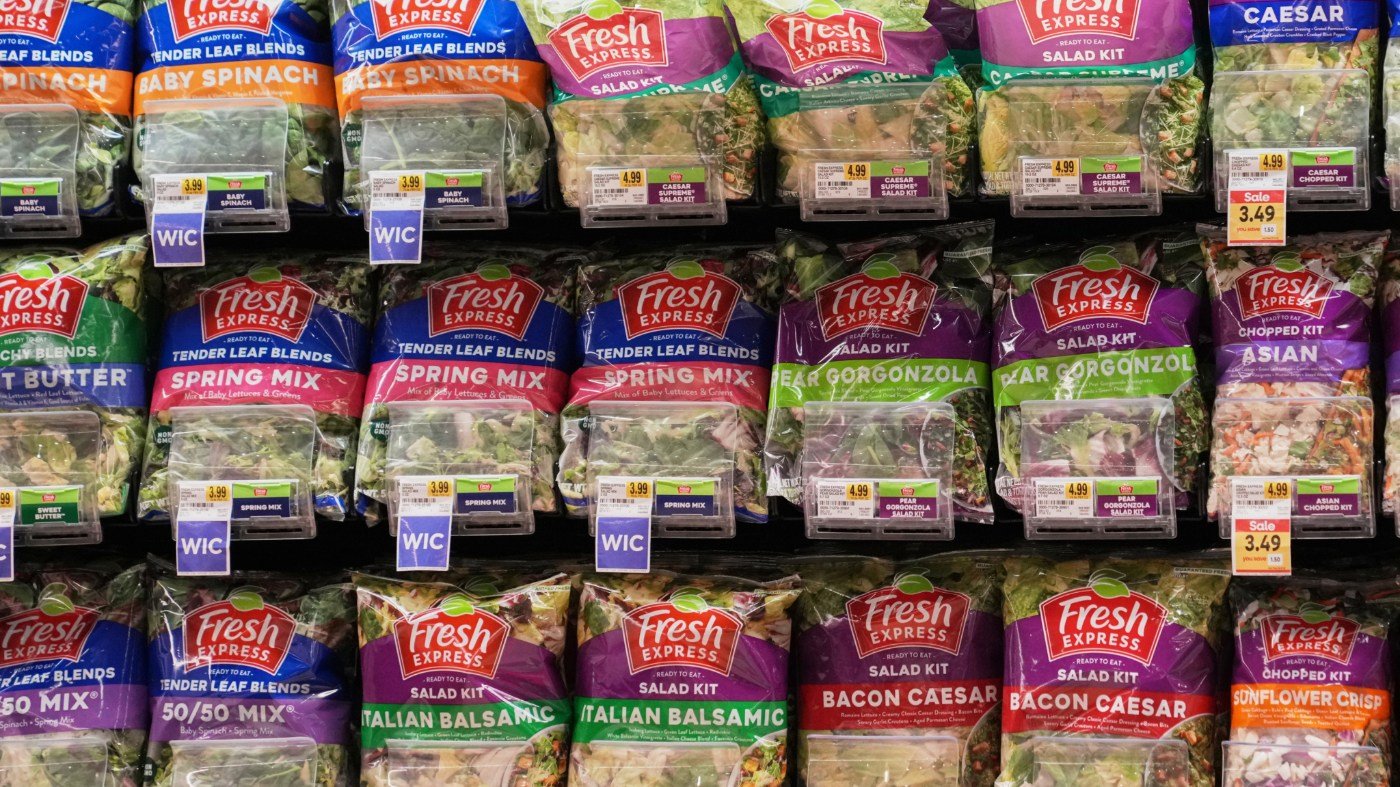
As Americans gather for Thanksgiving, few will question the safety of their holiday meal. But the reality is that the U.S. food supply is far less protected than most assume. A recent investigation by The Washington Post revealed that since 2009, the Food and Drug Administration has inspected fewer than 8% of major foreign facilities that export fresh produce to the United States. That means more than 90% of the largest international plants selling fruits and vegetables to America have not received an FDA inspection in nearly two decades—a massive public health blind spot for a country increasingly dependent on imports.
The consequences are not hypothetical. This summer, a multistate cyclosporiasis outbreak linked to iceberg lettuce from Mexico sickened nearly 13,000 people, hospitalized over 550, and claimed two lives. The contaminated lettuce came from a Mexican supplier that hadn't been inspected by the FDA in seven years. In September, salmonella-tainted broccoli sprouts and microgreens from New Zealand sickened 34 people across six states. A month later, frozen blueberries from Chile were recalled due to an E. coli outbreak causing 17 illnesses and six hospitalizations.
The FDA anticipates over 550 food recalls this fiscal cycle, consistent with recent annual averages. However, the increasing severity of these outbreaks, combined with personnel cutbacks, has alarmed public health experts. Janet Hamilton of the Council of State and Territorial Epidemiologists warned that “the scale and magnitude of outbreaks that we’re facing right now are unprecedented. It’s like we’re being eclipsed by the scale and magnitude of these outbreaks with the staffing levels that we have.”
Indeed, the very institutions tasked with protecting the U.S. food supply have been weakened by recent federal workforce reductions. The FDA has lost over 4,000 employees in the past two years alone, hampering its ability to prevent deadly contamination events. Lawmakers have failed in their collective responsibility to ensure that food regulatory agencies are equipped to keep Americans safe.
But a wave of newly elected members to Capitol Hill is expected to bring much-needed support for public health institutions when the next Congress convenes in January. Two physicians have been elected to the U.S. Senate: pediatrician Annie Andrews in South Carolina and physician and former public health official Abdul El-Sayed in Michigan. Both will bring a deep bench of medical and public health experience to federal rulemaking.
They—along with several other incoming members with science backgrounds—will help ensure facts prevail and lead the way on health policy. They will be important voices to hold accountable Health and Human Services Secretary Robert F. Kennedy Jr., whose initiatives have turned the clock back on public health safety. These include the removal of 10,000 roles at HHS, the dismissal of the CDC's vaccine advisory committee, and the easing of restrictions on unproven therapies that align with Kennedy's personal lifestyle choices. A Democratic majority in both chambers will establish important checks and balances on administration efforts that have put public health at potential risk.
The advancement of public health food policy will soon be part of the national legislative agenda. Democrats are already pushing support for important food security initiatives, such as the Supplemental Nutrition Assistance Program, whose mission to help low-income families has been decimated under the current Congress. As public health institutions endure a steady erosion of trust, restricting federal resources that make it harder for them to protect the safety and availability of our food supply will only worsen the situation.
Preventing foodborne illness and providing food access for those in need will be a top focus of the next Congress. Whether the Trump administration and Republicans in Congress will work with Democrats to support these goals remains to be seen. For now, the incoming class of lawmakers with public health expertise is poised to lead the charge.