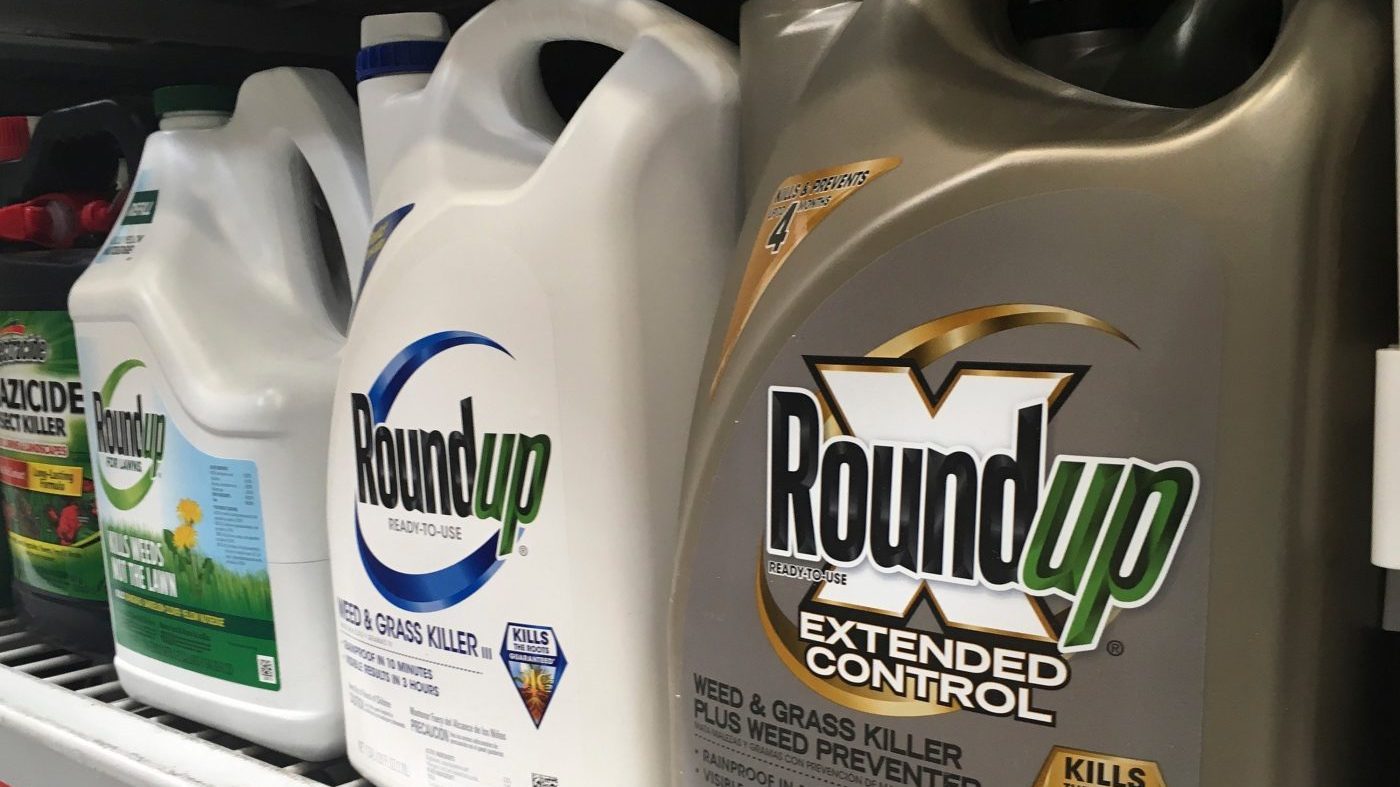
A Missouri judge on Friday gave final approval to a $7.25 billion class-action settlement that resolves cancer claims linked to Monsanto's Roundup weed killer. The ruling by Judge Timothy Boyer closes a long-running legal battle in which plaintiffs alleged that exposure to the herbicide caused non-Hodgkin lymphoma and other blood cancers.
Boyer described the agreement as "among the largest in history of mass tort personal-injury class action settlements." The deal, reached in February and preliminarily approved in March, covers both current claims and potential future cases from individuals who have not yet filed suit.
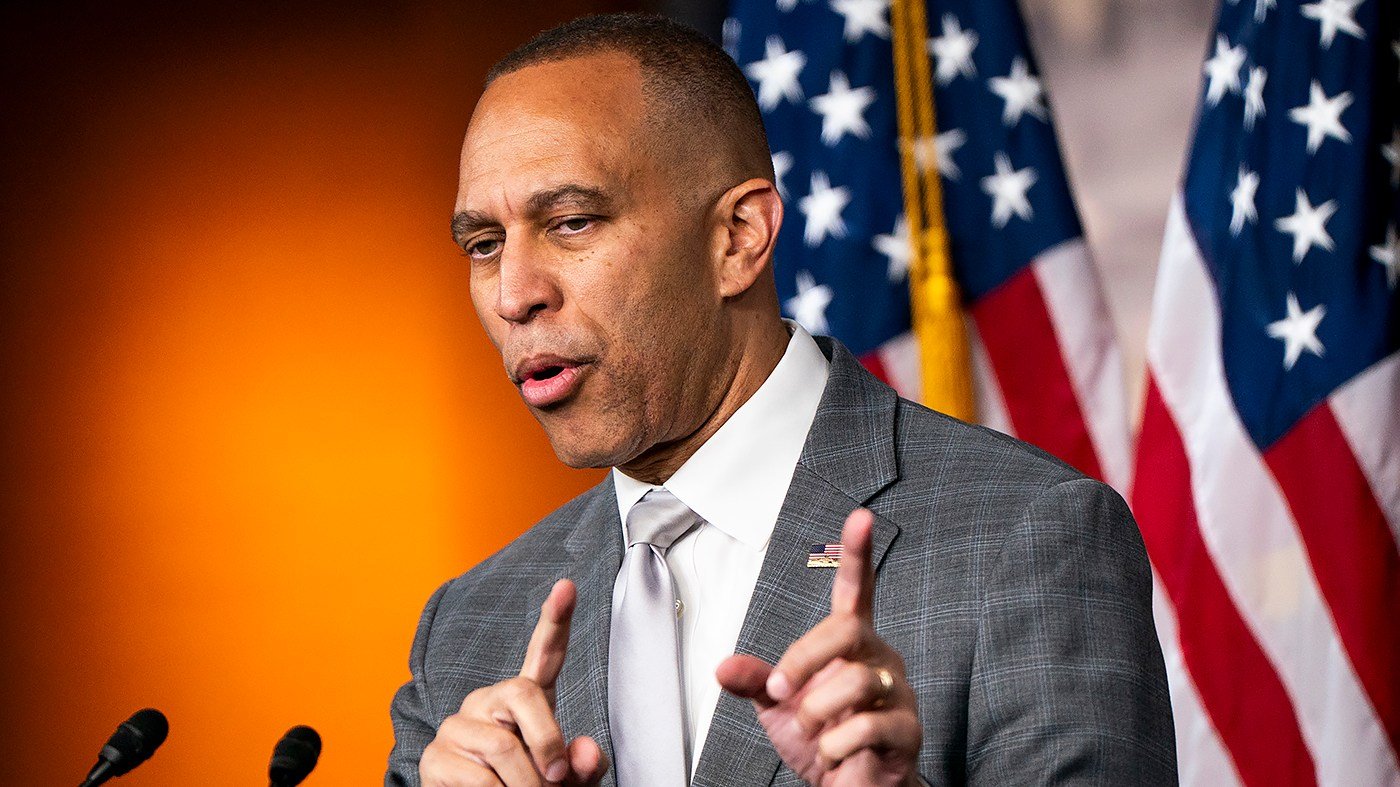
The approval comes in the wake of a U.S. Supreme Court decision that narrowed the ability of plaintiffs to sue pesticide manufacturers over failure-to-warn claims when the alleged health risks are not formally recognized by the Environmental Protection Agency (EPA). The EPA has not concluded that glyphosate—the active ingredient in Roundup—poses a cancer risk, although the World Health Organization's International Agency for Research on Cancer classified it as "probably carcinogenic" to humans in 2015.
In his ruling, Boyer cited the Supreme Court's decision as a factor supporting final approval, noting that even without that ruling, Monsanto had prevailed in a majority of the cases that went to trial. The settlement is intended to provide a measure of certainty for both plaintiffs and the company, which has faced thousands of lawsuits over the years.
Christopher A. Seeger, a court-appointed attorney for one of the plaintiff subclasses, praised the decision as a long-overdue victory for those affected. "Today's final approval order delivers guaranteed compensation to Roundup cancer victims who have waited more than a decade for justice," Seeger said in a statement.
Bayer, which acquired Monsanto in 2018, also welcomed the ruling. CEO Bill Anderson called it "a decisive milestone in the company's strategy to mitigate the risks of both pending and future Roundup litigation." The settlement is part of Bayer's broader effort to resolve the legal uncertainty surrounding the product while continuing to sell it in the U.S. market.
The case has also become a flashpoint in the broader political debate over pesticide safety. The Make America Healthy Again movement, tied to Health and Human Services Secretary Robert F. Kennedy Jr., has pushed for stricter scrutiny of agricultural chemicals. The Trump administration sided with Monsanto in the Supreme Court case that limited future lawsuits.
With final approval secured, the focus now shifts to the claims process, which will determine how much individual plaintiffs receive. The settlement fund is designed to cover both current claimants and those who may develop cancer in the future, though the exact payout amounts will depend on the number of valid claims filed.
Legal experts say the settlement could set a precedent for how other mass tort cases are handled, particularly those involving widely used products with contested health effects. The combination of a large compensation fund and the Supreme Court's recent ruling is likely to reduce the number of new Roundup lawsuits filed in the coming years.