An ambitious Iraqi initiative to resurrect a cross-border oil pipeline through Syria—designed to sidestep the volatile Strait of Hormuz—is expected to take four years and cost no less than $15 billion, according to two sources with direct knowledge of the project. The timeline, reported by Reuters on Monday, is twice as long as the optimistic two-year forecast offered last week by Treasury Secretary Scott Bessent, who had predicted the strait would become "irrelevant" for global oil flows.
Bessent told Reuters that "more than 50 percent or 70 percent" of crude exports that typically transit the strait would soon move via underground pipelines. "Over the next two years, the strait is going to become irrelevant. It is going to become just another body of water," he said. But the new reporting suggests that vision may be premature, given the scale of infrastructure needed and the political hurdles in Syria.
The project, which has secured backing from the Trump administration and major energy players including Chevron, ConocoPhillips, and Qatar's UCC Holding, is part of a broader push to reduce reliance on the strait while it remains effectively closed amid Iran's conflict with the U.S. and Israel. Iraq, one of the most affected producers, has been forced to curtail exports since the shutdown began, contributing to a surge in global fuel prices. The national average for gasoline in the U.S. hit $4.06 per gallon on Monday, up from $3.14 a year ago, according to AAA.
Iraq previously operated a pipeline linking its northern Kirkuk fields to the Mediterranean port of Banias in Syria, but decades of war left it severely damaged and out of regular use since the 1980s. The new plan would rehabilitate that route, but sources caution it requires constructing an integrated crude oil system connecting Iraq's southern and northern fields to a central hub in western Iraq, then onward from Haditha to Banias. That effort involves clearing old infrastructure, obtaining land-use approvals from Syrian leader Ahmad al-Sharaa, and building new pumping stations and storage facilities—tasks that cannot be rushed.
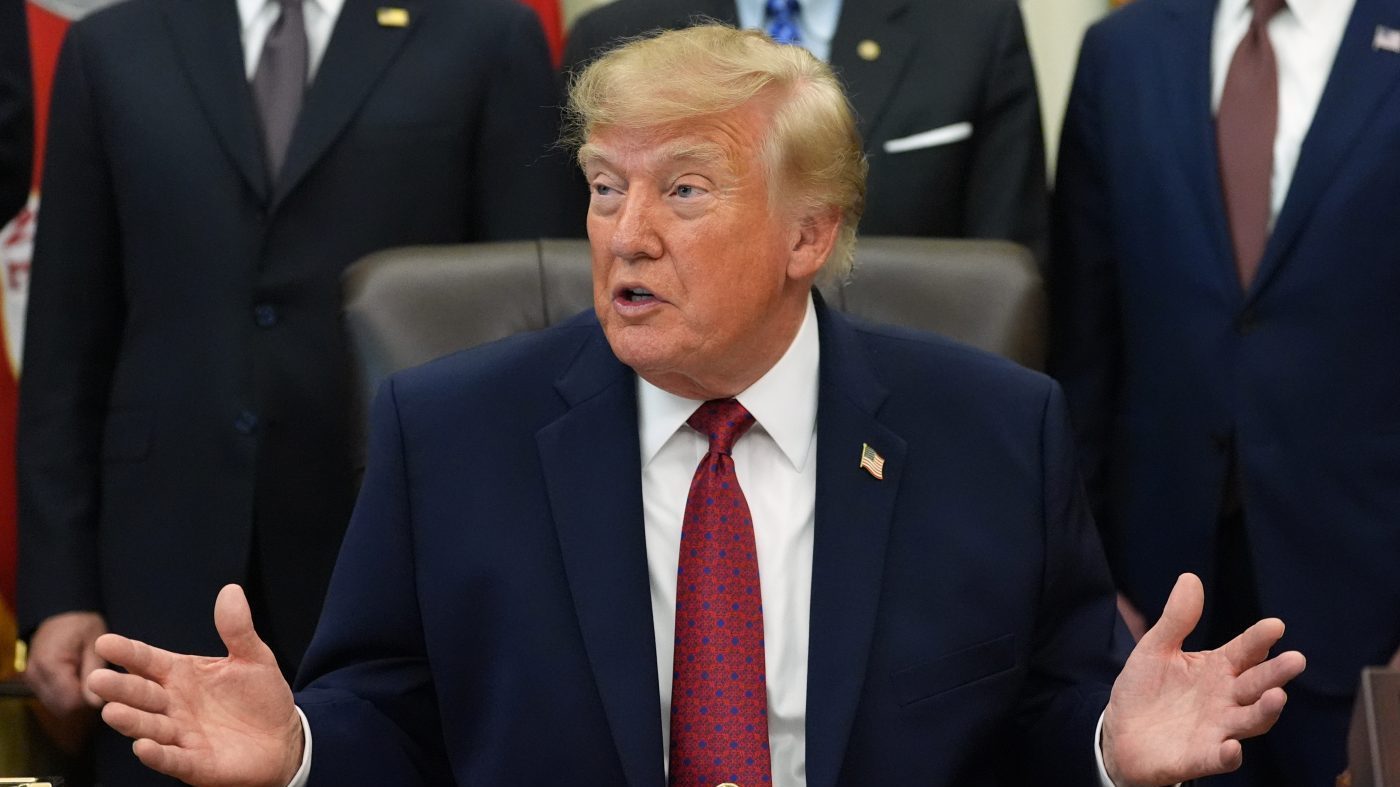
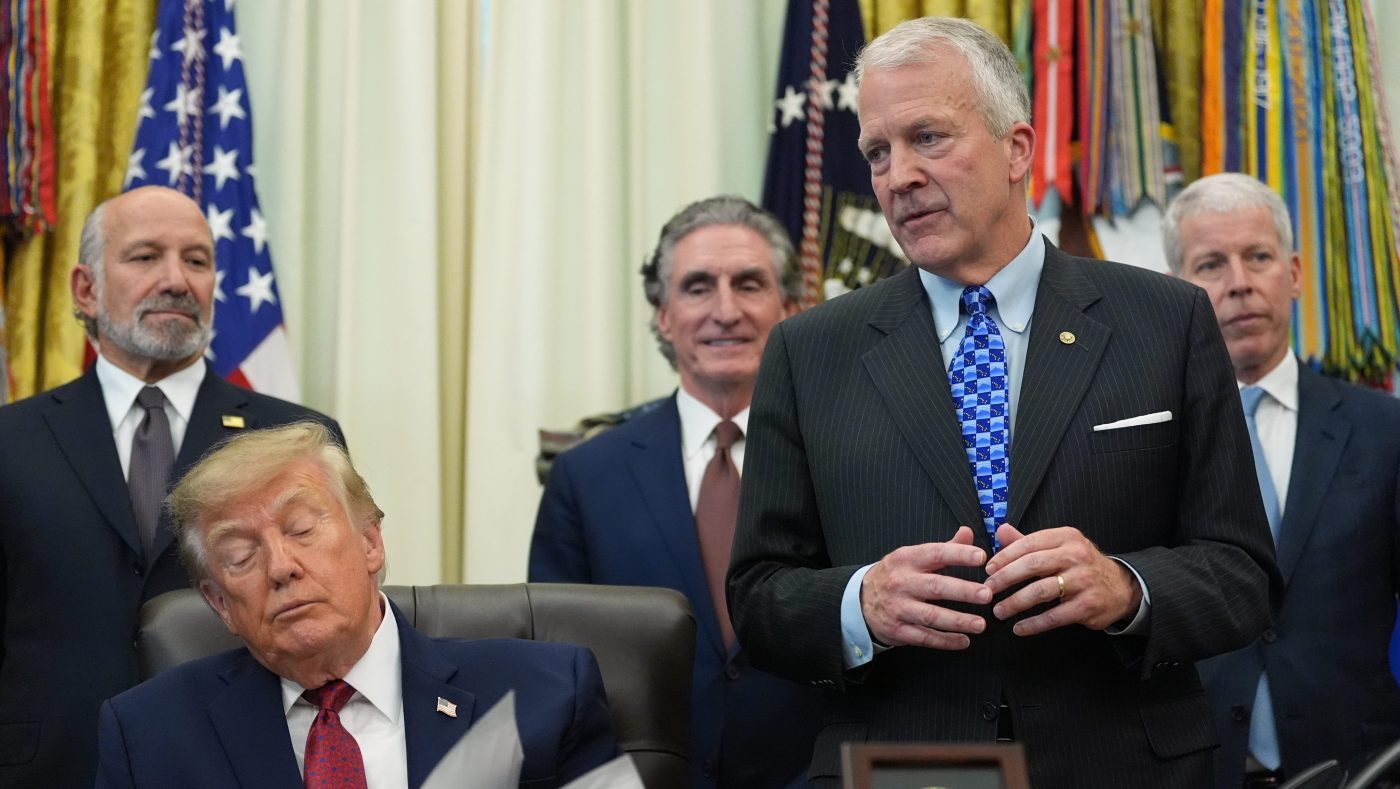
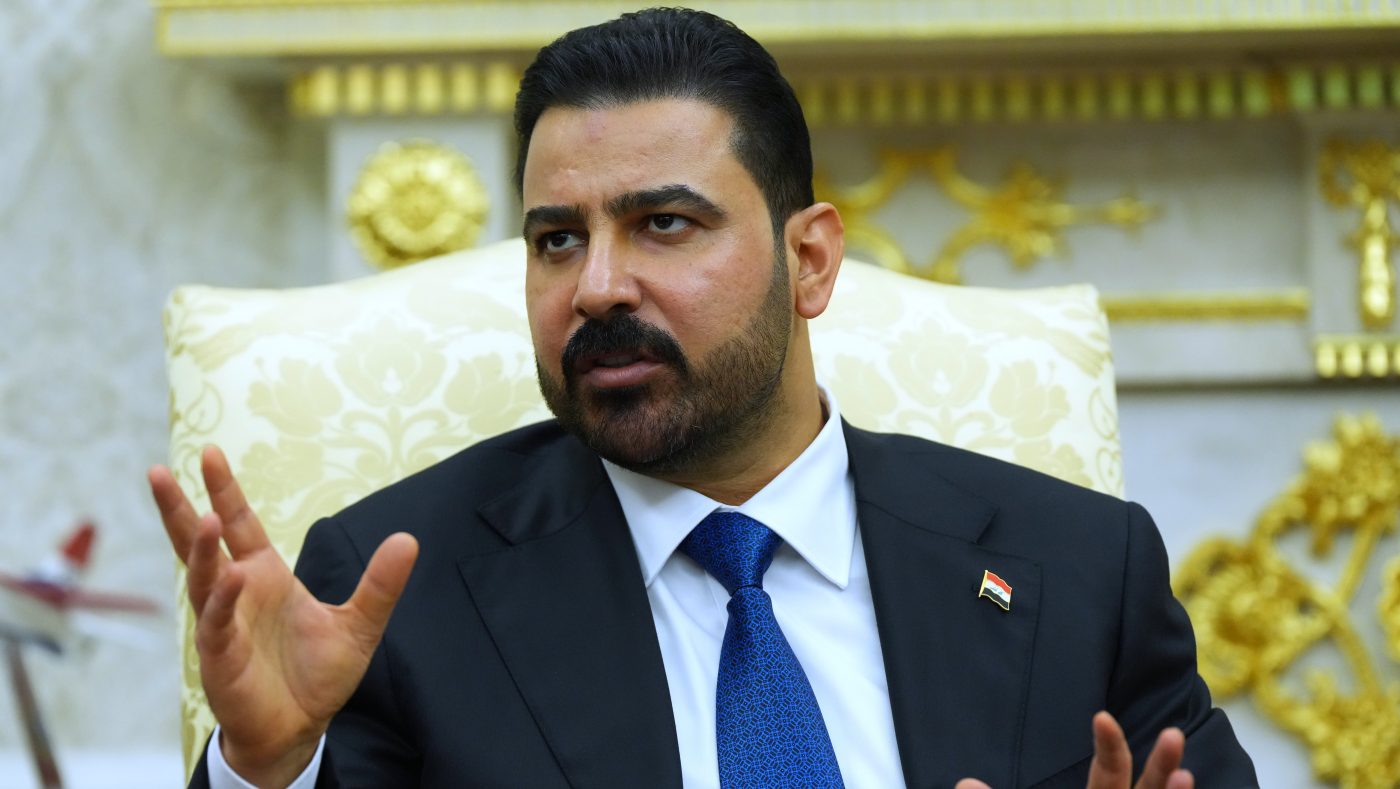
The financial and logistical complexity is compounded by the need for U.S. and international investment in a region still marked by instability. The deals between American firms and Iraq came after Iraqi Prime Minister Ali al-Zaidi met with President Trump, who touted Iraq's oil reserves as "tremendous potential wealth." Iraq holds the world's fifth-largest proven crude reserves, making it a critical player in any effort to stabilize global energy markets.
Chevron CEO Mike Wirth recently described the energy market as "somewhat fragile and uncertain" in the wake of the Iran war, underscoring the stakes. While the pipeline project offers a long-term solution, its multi-year timeline means the Strait of Hormuz will remain a chokepoint for the foreseeable future. Analysts note that even if construction begins immediately, the first barrels are unlikely to flow before 2029—a reality that challenges the administration's more bullish public statements.
The development also raises questions about U.S. policy consistency. The push to build new pipelines through Syria comes as Washington has historically opposed infrastructure projects that could bolster the Assad-aligned government. However, with al-Sharaa now in a position to approve land use, the geopolitical calculus has shifted. Some experts argue that the project's success depends on securing broader regional cooperation, including from Turkey, which controls key border areas.
For now, Iraq and its partners are moving forward, but the report's findings suggest that any near-term relief for oil markets will be limited. As the U.S. and its allies seek alternatives to the strait, the gap between political rhetoric and on-the-ground reality remains stark. The pipeline's fate will likely hinge on whether Washington can sustain its commitment over the next four years—a period that will test both diplomatic resolve and financial endurance.