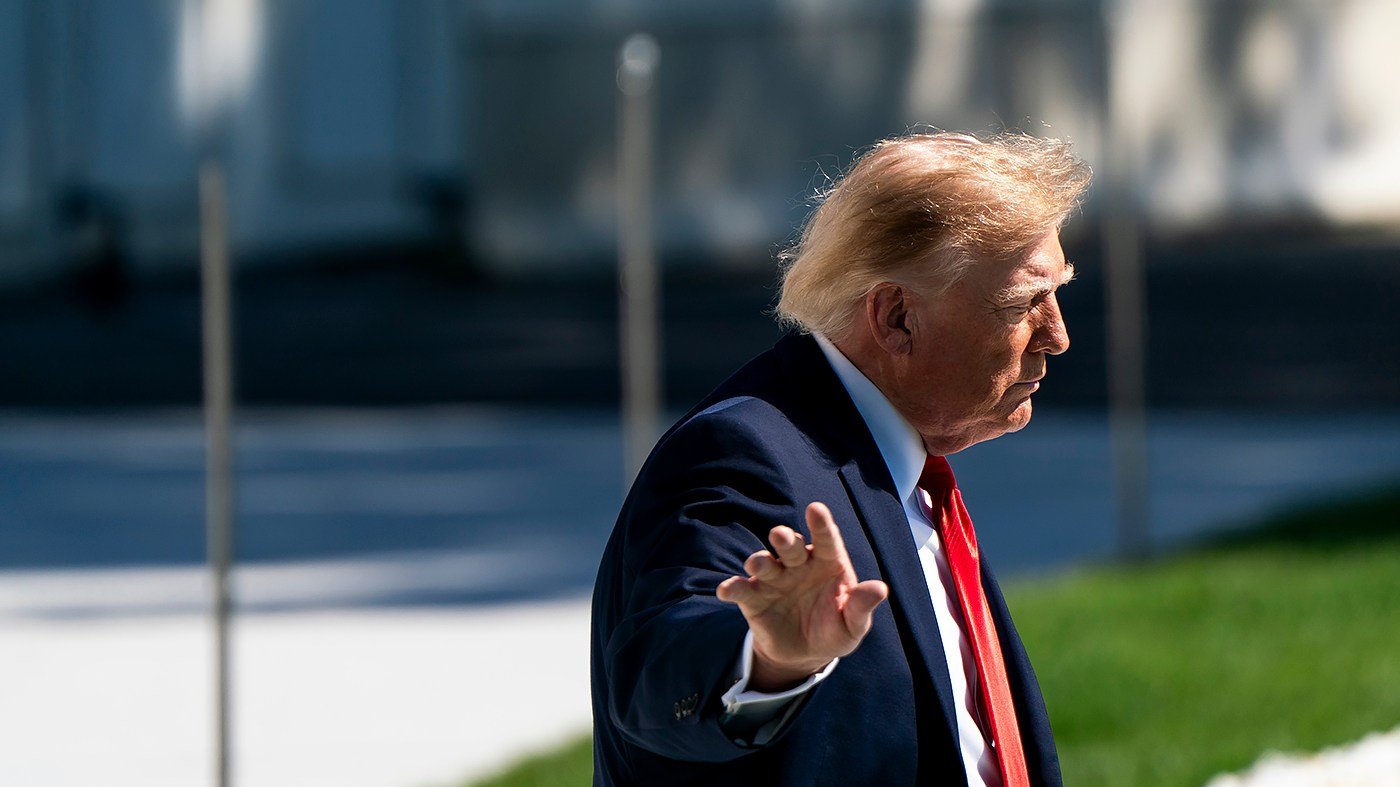
Progressive House members and left-leaning Democratic candidates are set to travel to Uruguay this week to push back against President Trump's aggressive posture toward Latin America, which critics have dubbed the 'Donroe Doctrine.' The delegation will take part in the PanAmerican Congress in Montevideo, scheduled for August 21-23, according to The Hill.
The summit, first convened in 2024, aims to unite progressive leaders from across North, Central, and South America and the Caribbean in response to the rise of right-wing governments in the region. These conservative administrations have aligned with Trump's hardline stance on drug trafficking and immigration, but have drawn criticism for eroding democratic norms and human rights.

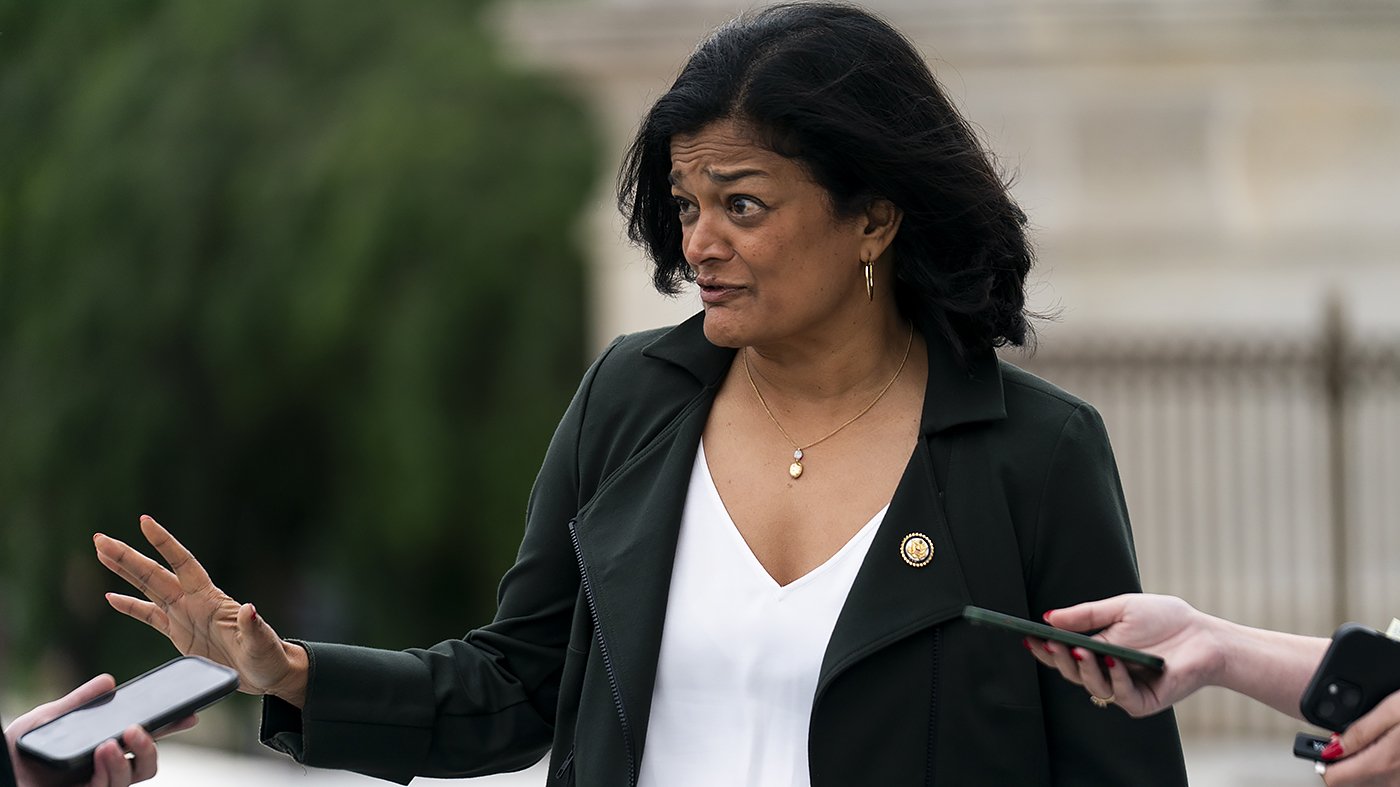
Rep. Pramila Jayapal (D-Wash.), who is leading the delegation, emphasized the need for a coordinated progressive response. 'We need to build a durable and lasting coalition of progressives that can take on the right-wing forces and answer them with the necessary call of the people,' she said in a statement. 'This is a critically important opportunity to build solidarity in the fight against interventionism and democratic backsliding, and to learn how the United States can be a partner in those efforts.'
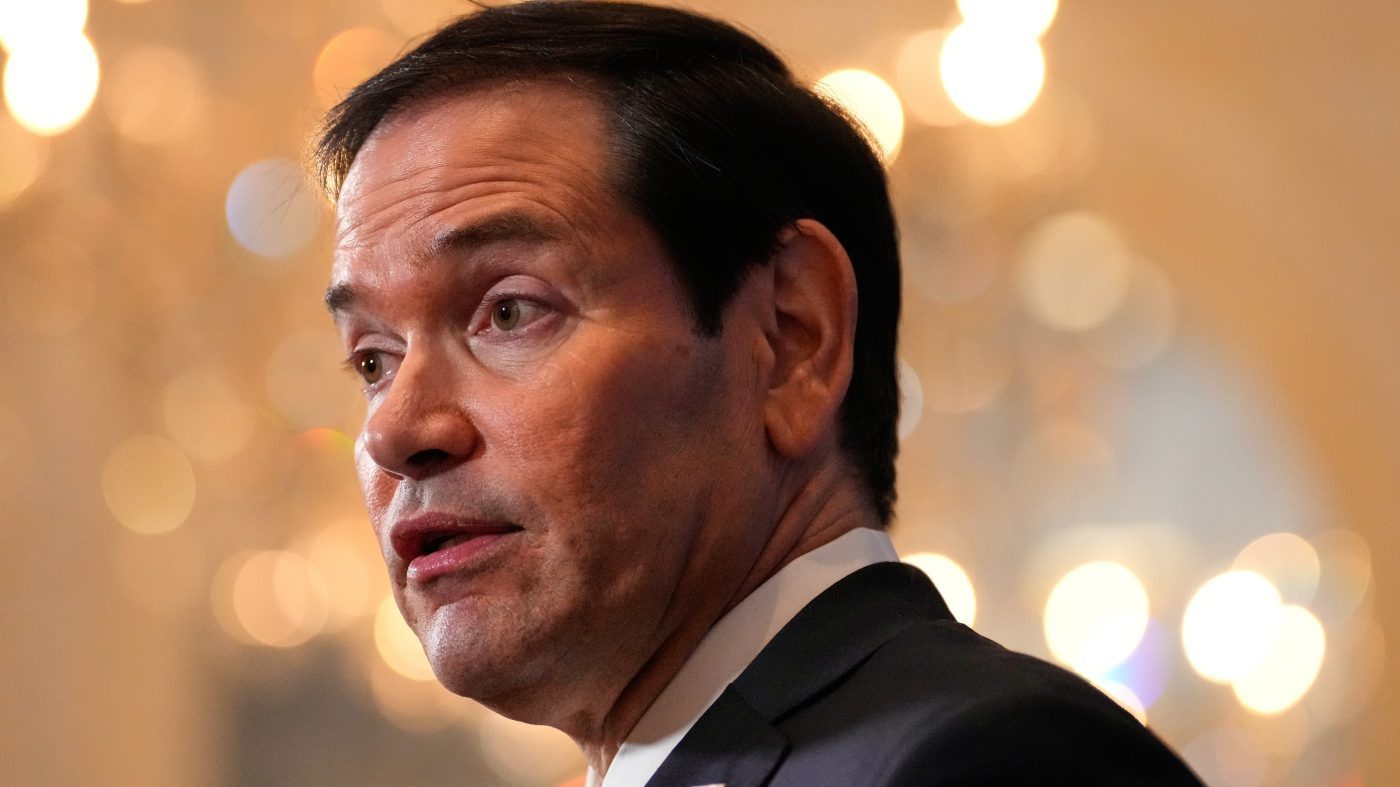
On August 14, Jayapal and ten other lawmakers sent a letter to Secretary of State Marco Rubio, criticizing the administration's 'Trump corollary' to the Monroe Doctrine—the 19th-century policy that asserted U.S. dominance in the hemisphere. The letter, obtained exclusively by The Hill, argues that the administration's approach—military strikes against suspected drug runners in the Caribbean, tariff threats, and interference in sovereign elections—undermines regional stability.
'Taken together, the interventions conducted under the banner of the 'Donroe' Doctrine appear to follow a partisan playbook: the endorsement of favored candidates, the placement of political allies, the weaponization of tariffs and sanctions, and, where those fail, the application of direct military force,' the lawmakers wrote. 'These are tactics that destabilize our hemisphere and endanger our neighbors.'
Among the signatories is Rep. Jesús 'Chuy' García (D-Ill.), who will join Jayapal at the Congress. The delegation also includes a slate of progressive and Democratic socialist candidates who have gained attention for challenging centrist incumbents. These include Claire Valdez (running in New York's 7th district), Darializa Ávila Chevalier (New York's 13th), and Chris Rabb (Pennsylvania's 3rd), all members of the Democratic Socialists of America, as well as Dr. Adam Hamawy, a progressive running in New Jersey's 12th district.
Rep. Greg Casar (D-Texas), chair of the Congressional Progressive Caucus, is not attending but voiced support, describing the mission as building a coalition 'pushing back against right-wing radicalization, tackling the climate crisis and addressing our joint economic crisis.' Sen. Bernie Sanders (I-Vt.) will address the conference virtually, saying the goal is to unite progressive voices to combat 'oligarchy, authoritarianism and greed.'
The congress comes at a time when right-wing parties have taken power in several of Latin America's largest economies. Former Colombian President Ernesto Samper, who is attending, warned that the region's shift to the right is veering toward 'a form of neo-fascism, much more complex than what we had before.' He pointed to Trump's endorsement of conservative outsider Abelardo de la Espriella in Colombia's June election, which narrowly defeated progressive candidate Iván Cepeda. Samper accused Trump of election interference and of promoting 'autocratic and authoritarian pretensions,' adding, 'Therefore, this hegemonic aggression that the region is facing deserves a progressive and sensible response, which I hope will emerge from this forum.'
As the delegation heads to Montevideo, the broader political landscape remains fraught. Trump's approval ratings have taken a hit amid ongoing crises, and his administration continues to clash with lawmakers over foreign policy and domestic issues. The PanAmerican Congress offers progressives a platform to articulate an alternative vision for U.S. relations with its neighbors—one that prioritizes diplomacy, human rights, and mutual respect over coercion and military might.