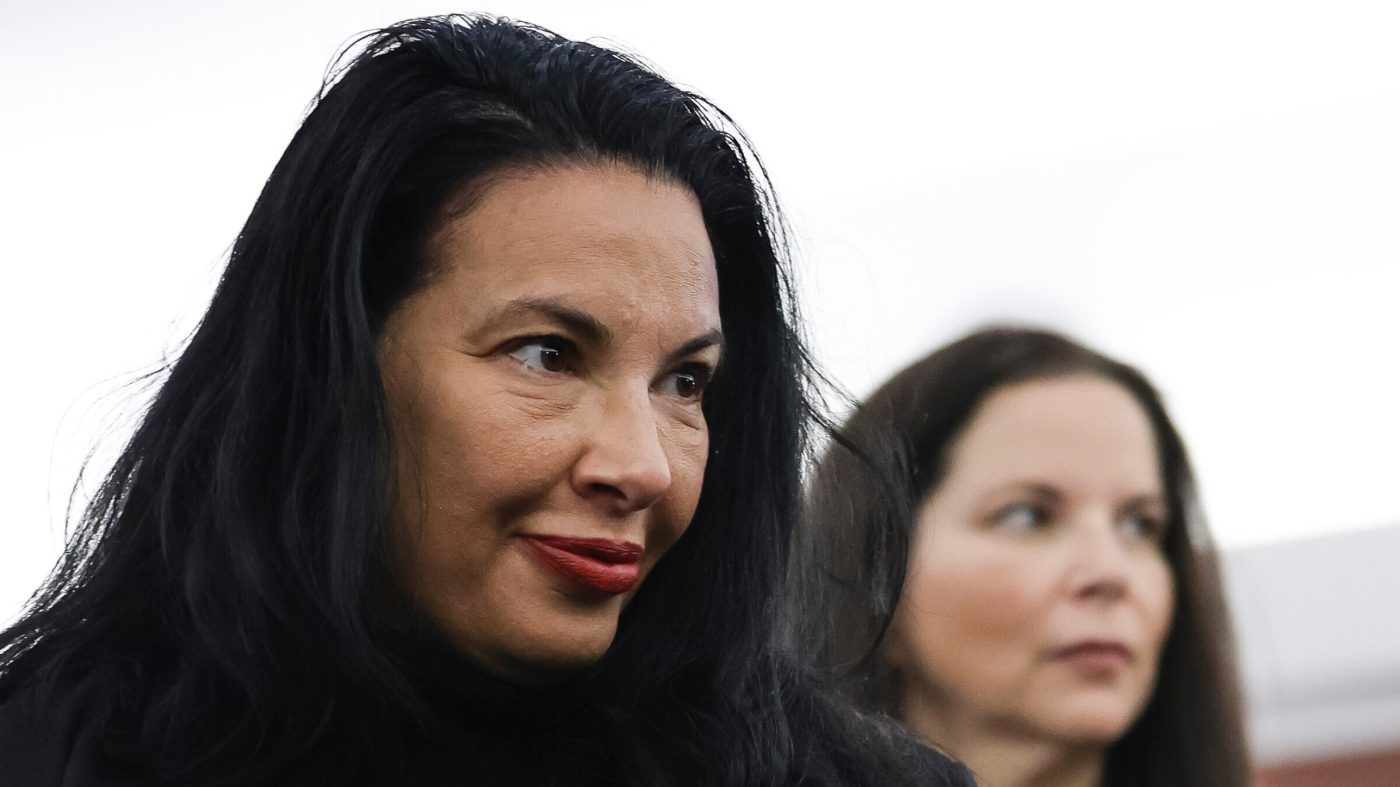
A federal appeals court on Monday dealt another blow to the Trump administration's efforts to install loyalists in U.S. Attorney posts without Senate confirmation, upholding the disqualification of Sigal Chattah from the top prosecutorial job in Nevada.
The three-judge panel of the 9th U.S. Circuit Court of Appeals ruled unanimously that Chattah cannot continue overseeing criminal cases for defendants who challenged her appointment. The 36-page opinion rejects the Justice Department's legal maneuvers to keep her in the role by exploiting vacancy rules.
At issue is the Federal Vacancies Reform Act of 1998, which allows a first assistant to a Senate-confirmed officer to assume the acting role automatically when a vacancy occurs. But the appeals court held that this automatic succession only applies if the first assistant was already serving in that capacity before the vacancy arose.
“It does not apply to a first assistant who never served under a validly appointed official,” wrote Judge Eric Miller, a Trump appointee. “Nor can the Attorney General create a de facto Acting U.S. Attorney by delegating all of the functions and duties of the U.S. Attorney to someone else.” Judge Sidney Thomas, a Clinton appointee, and Judge Stanley Blumenfeld, another Trump appointee, joined the opinion.
Chattah, a former Nevada Republican Party chair, was appointed interim U.S. attorney in April 2025. She resigned just before her 120-day term expired, but then-Attorney General Pam Bondi used a series of legal steps to allow her to continue serving in an acting capacity beyond that limit. A federal judge in Arizona ruled in late September that this process was “never intended by Congress” and barred Chattah from supervising several prosecutions. The judge, David G. Campbell, had paused that disqualification pending the appeal, but the 9th Circuit's ruling now makes it permanent.
The ruling is a significant setback for the DOJ's broader strategy of placing Trump allies in U.S. Attorney offices nationwide. The department tried a similar approach to keep Alina Habba, Trump's former personal attorney, as U.S. Attorney for New Jersey, but an appeals court invalidated that appointment in December. The Nevada case follows a similar pattern, and the 9th Circuit's decision could have implications for other pending challenges to acting U.S. Attorneys.
The Justice Department did not immediately respond to a request for comment. The ruling also comes amid ongoing legal battles over presidential authority, including the Supreme Court's rejection of Trump's bid to overturn the Carroll verdict and the administration's citizenship order that defies a Supreme Court ruling. These cases highlight the judiciary's willingness to check executive overreach, even as the administration pushes the limits of its powers.
For now, Chattah's disqualification stands, and the defendants who challenged her appointment will proceed with their cases under a properly appointed U.S. Attorney. The ruling underscores the importance of the Senate's role in confirming principal officers, a principle that the courts have repeatedly upheld.