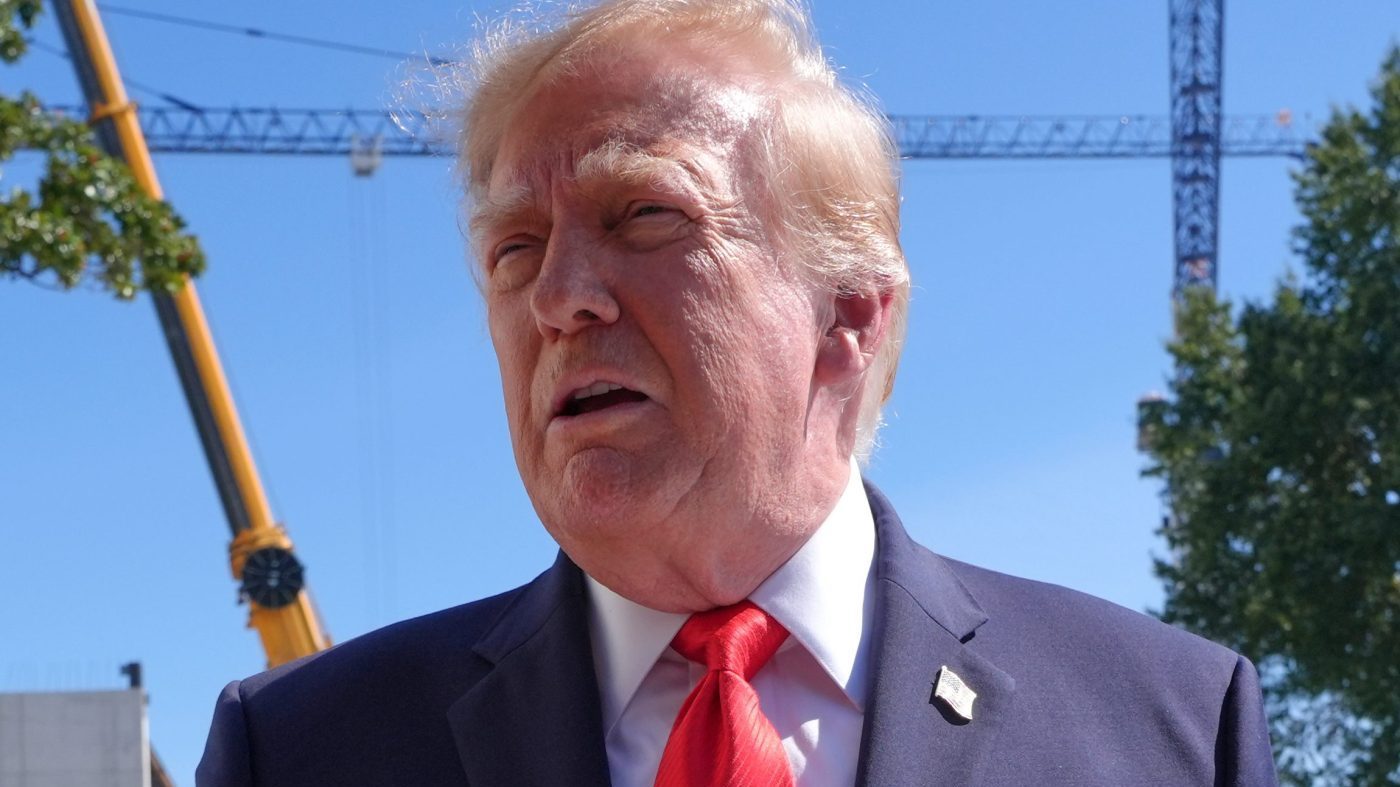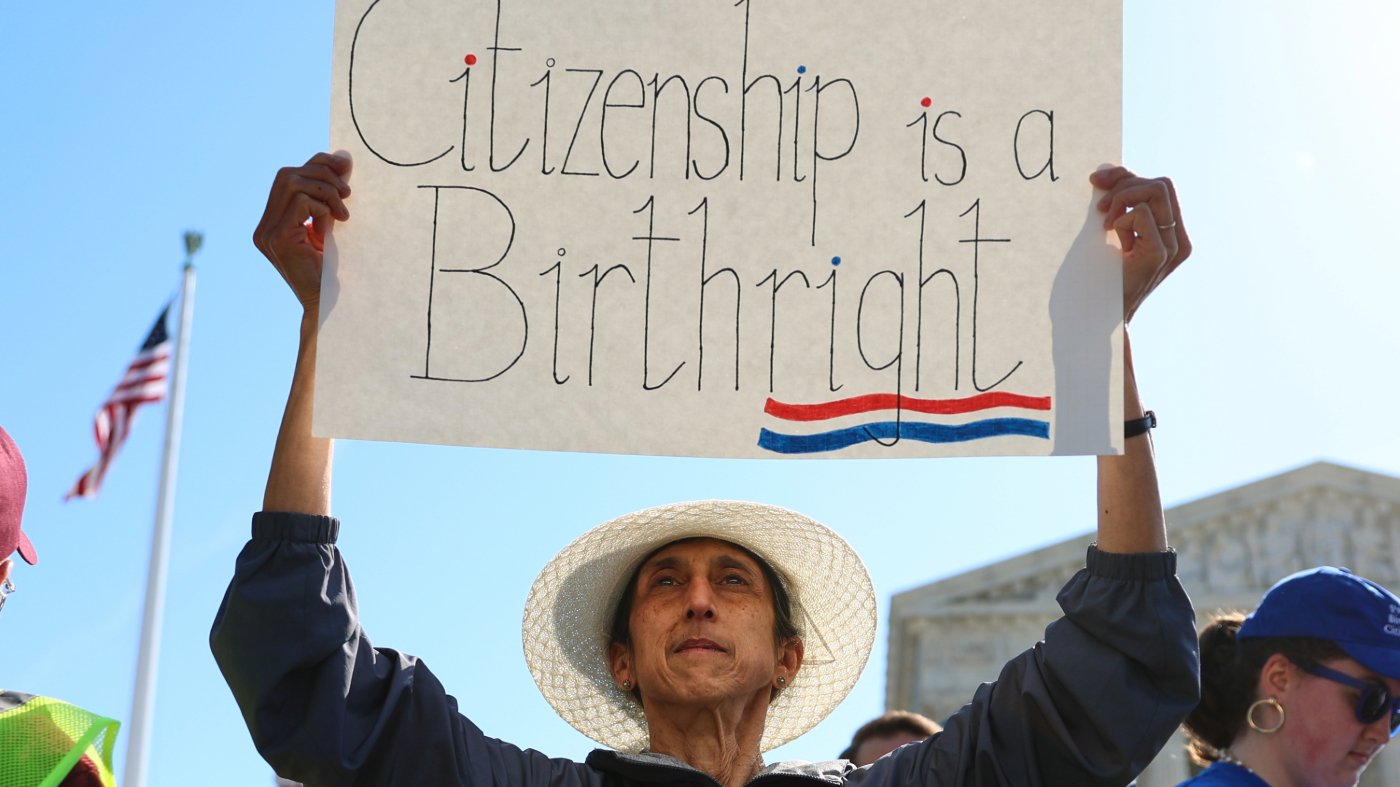
President Trump has once again challenged the Supreme Court's authority on birthright citizenship, issuing a new executive order that legal scholars say directly contradicts the Court's definitive ruling. The order, titled "Continuing to Protect the Meaning and Value of American Citizenship," purports to deny citizenship to certain newborns based on the immigration status of their parents, a move that critics argue is both unconstitutional and unenforceable.
The Supreme Court's 6-3 decision in Trump v. Barbara earlier this year affirmed that "the Constitution guarantees citizenship to children born of parents unlawfully or temporarily present in the United States." Chief Justice John Roberts, writing for the majority, emphasized that "a child born on American soil and subject to American law" is an American citizen, upholding a 128-year-old precedent. Trump, who called the decision "absolutely insane" and a "miscarriage of justice that will destroy America," has now responded with a new order that seeks to expand the narrow exceptions outlined by the Court.
The original order, which excluded children of temporary visa holders and undocumented immigrants, was struck down. Trump's new order attempts to circumvent that ruling by adding categories of children who, in his view, should not be granted citizenship. These include children of parents who engaged in "commercial transactions" with surrogates in the U.S., and children of "alien enemies," defined to include members of designated Foreign Terrorist Organizations.
Legal analysts point out that the Supreme Court's exceptions were limited to children of foreign diplomats and those born during hostile occupations, where the child is not "subject to the jurisdiction" of the United States. Trump's order, however, applies the term "extraterritorial fiction" to parents, not children, a rhetorical sleight of hand that journalist Joe Patrice highlighted. "The Court's ruling excluded only those children who themselves were subject to physical or nominal extraterritoriality," Patrice noted. "Trump's order claims to exclude children because their parents fall under his definitions."
The practical impact of the new order is likely minimal. According to the Centers for Disease Control and Prevention, there were fewer than 10,000 embryo transfers to gestational carriers in 2022, with only about 1,500 live births to international parents annually. The "alien enemy" category is even more problematic, as it is impossible to determine at birth whether a parent is a member of a designated terrorist organization. This could lead to retroactive denials of citizenship years later, rendering American-born individuals stateless and subject to deportation despite having U.S. birth certificates.
Critics argue that the order is both performative and vindictive, imposing lifelong consequences on innocent children. "The Constitution prohibits corruption of blood as punishment for treason," said constitutional law expert Steve Vladeck. "Yet Trump wants to impose lifelong disability and uncertainty on blameless children for the crimes of their parents."
This latest move is part of a pattern of Trump's defiance of judicial rulings, as seen in his failed attempt to overturn the Carroll verdict and his primary losses that signal a waning grip on the GOP. The order also follows his threats to bomb Oman and his controversial cuts to South Korea military exercises, suggesting a pattern of unilateral actions that often face legal challenges.
While the order may energize Trump's base, it is widely expected to face immediate legal challenges, and experts predict it will suffer the same fate as its predecessor. As the Supreme Court made clear, the 14th Amendment's guarantee of citizenship to all persons born in the United States is not subject to executive discretion.