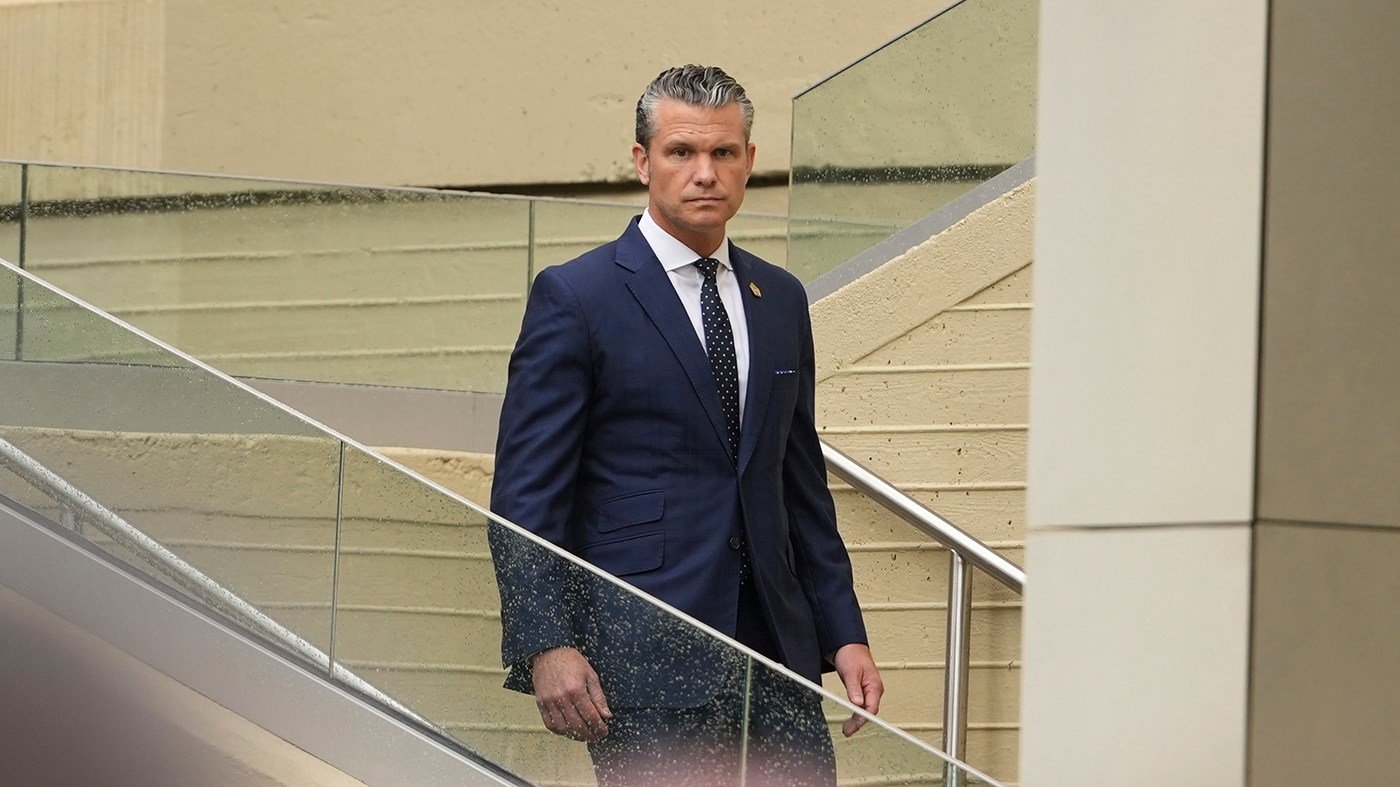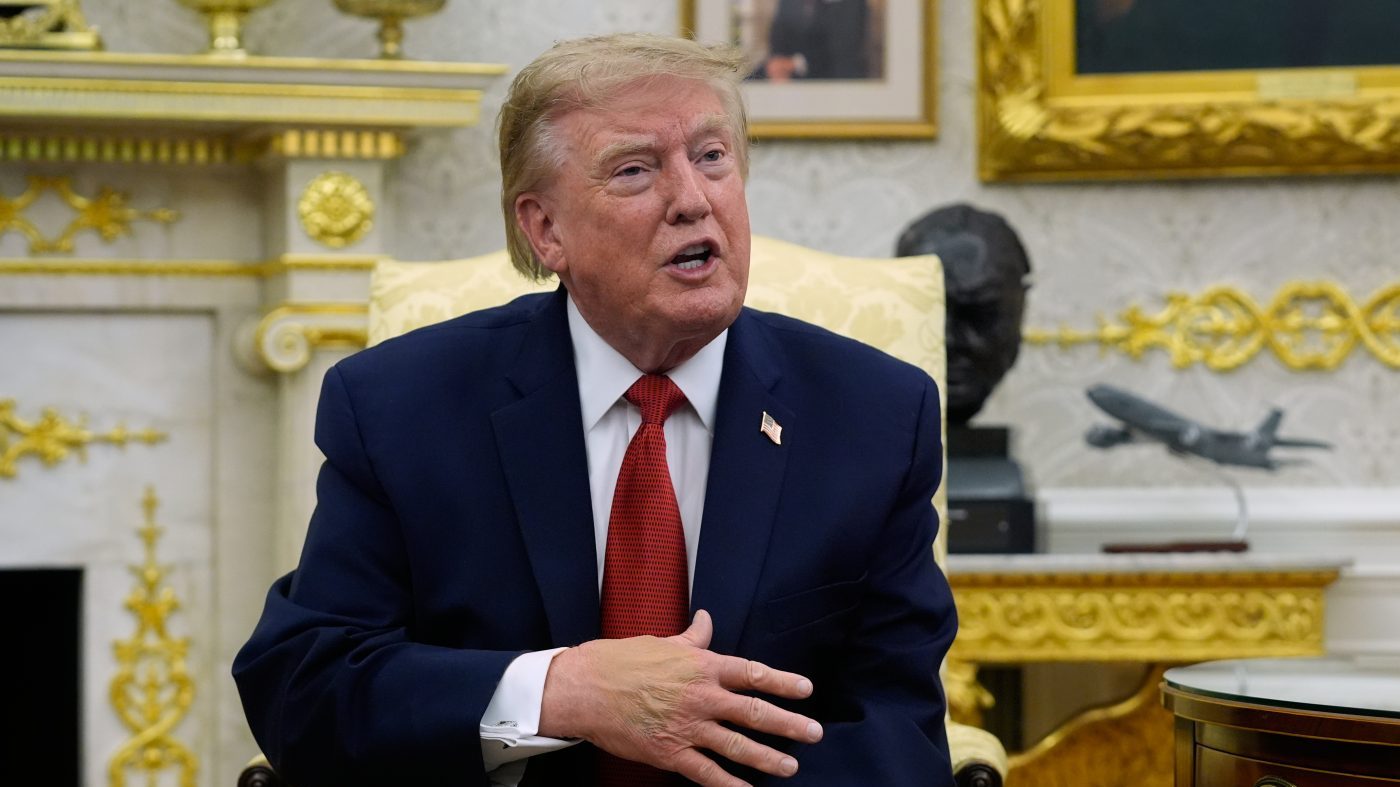
President Trump is escalating his rhetoric against both adversaries and allies as the economic standoff with Iran intensifies. On Monday, he threatened to bomb Oman, a U.S. ally and neutral mediator with Tehran, and over the weekend he directed Defense Secretary Pete Hegseth to significantly scale back joint military exercises with South Korea.
The president also doubled down on his claim that the United States has total control over the Strait of Hormuz, suggesting it could be declared a U.S. territory. "We control it with the blockade, and I like the idea of declaring it a territory," Trump told reporters in the Oval Office.
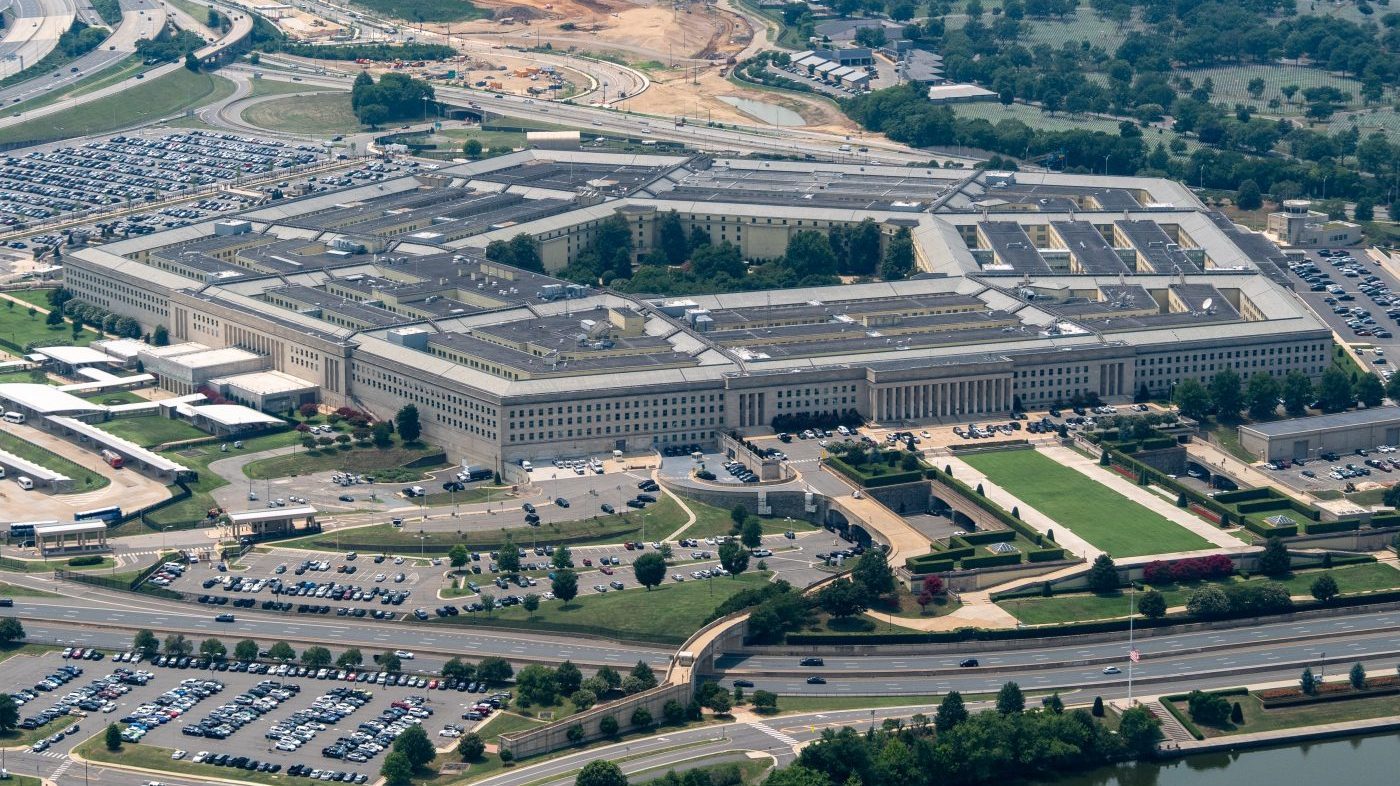
Trump dismissed Iran as a "nuisance," saying Tehran could "put a mine in the water" and damage billion-dollar ships. He asserted that the U.S. is "taking out millions of barrels of oil a week" and claimed oil prices are falling, though Brent crude actually rose 2.58% on Monday to $91.10 per barrel, and average U.S. gasoline prices hit $4.06 per gallon, up 93 cents from a year ago.
The administration is relying on a naval blockade of Iranian ports to strangle Tehran's economy, but Iran has responded by restricting shipping through the Strait of Hormuz, a chokepoint for about 20% of global oil supply. Shipping traffic has slowed dramatically, with confirmed crossings falling from 118 to 95 in the past week, according to MarineTraffic.com.
With midterm elections less than three months away, Trump faces a political ticking clock. "A lot of it does boil down to this staring match and this perseverance contest," said Clay Seigle, a senior nonresident scholar at the Center for Strategic and International Studies. He noted that Tehran is well aware of the electoral pressure on Trump and has vowed to protect its leverage over the strait.
Iran's Army commander-in-chief, Amir Hatami, called the strait a "god-given geopolitical asset" and pledged to "protect this capacity with all our power." The conflict has dragged on for nearly six months, with no signs of a breakthrough.
Victoria Coates, a former deputy national security adviser to Trump, defended the administration's approach, saying the U.S. must ensure the strait remains "free and open" until regional partners can manage it. She expressed surprise that Oman has not pushed back harder against Iran, urging the Gulf state to embrace economic reform and strengthen ties with neighbors like the UAE.
Trump, in a Fox News interview, said he is "not in a hurry" to reach a permanent deal with Tehran and confirmed a backchannel to Iran's Islamic Revolutionary Guard Corps. He warned he would "bomb the s--- out of Oman" if it interfered with U.S. negotiations to reopen shipping lanes.
The president has also linked the standoff to domestic politics, telling a rally that higher gas prices are "a tiny, little bit more" for a good cause: preventing Iran from obtaining a nuclear weapon. Meanwhile, Trump's approval ratings have sunk amid the conflict, and his decision to cut drills with South Korea has drawn criticism from allies.
The standoff is also damaging Iran's economy, with officials expressing concern about worsening conditions. But Tehran shows no sign of yielding, setting the stage for a prolonged confrontation as the world watches oil prices and the midterm clock.