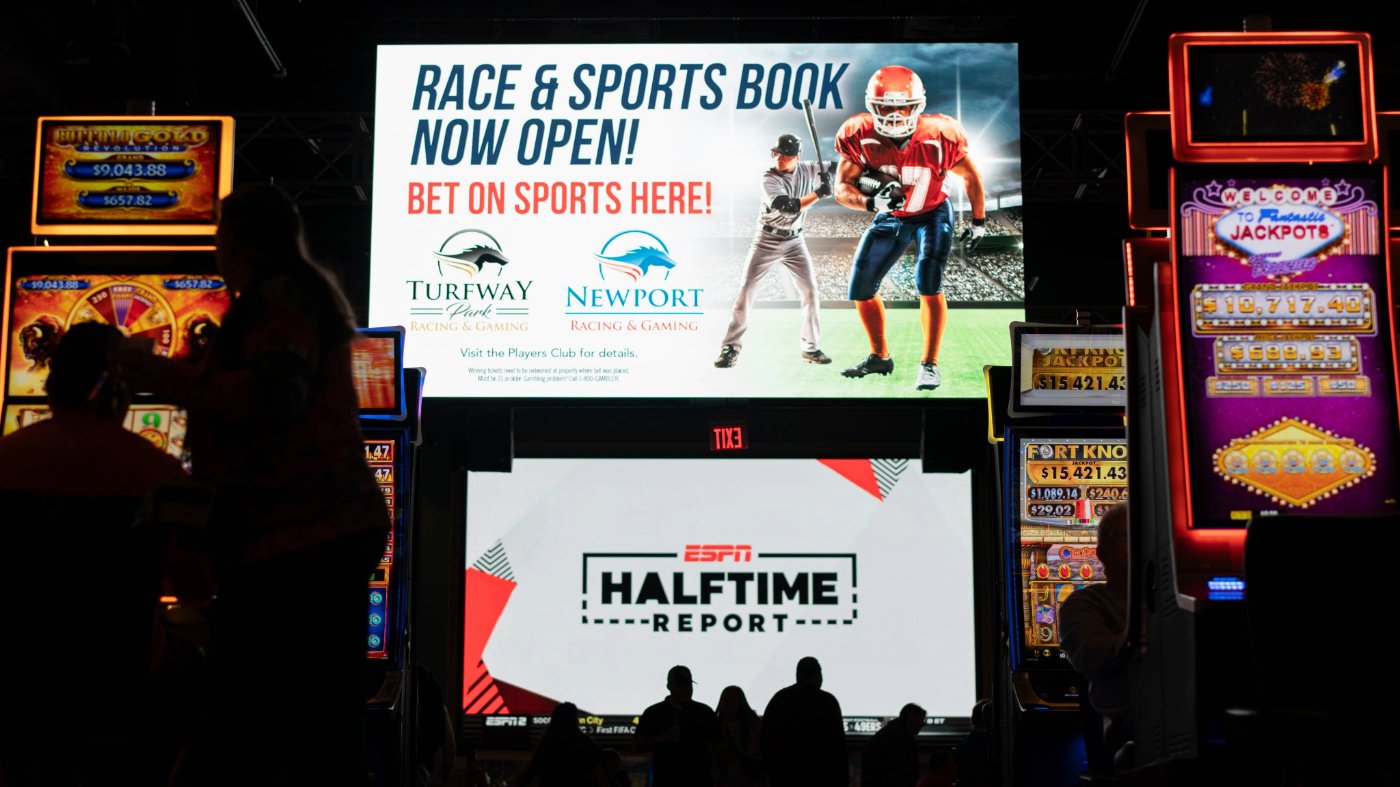
A fresh Gallup survey reveals that the share of American adults who gamble has dropped significantly over the past decade, even as online prediction platforms draw regulatory and legal fire.
According to the poll, only 45% of respondents said they had engaged in at least one form of gambling in the last year. That marks a steep decline from 64% a decade earlier and 63% in 2007. The findings suggest a broad cultural shift in gambling habits, with fewer people participating in traditional forms like lotteries and casinos.

State lottery tickets remain the most common gambling activity, with 31% of adults saying they purchased one in the past year. Casino visits were cited by 14%, while 7% said they had placed bets on professional sports.
The poll arrives as public concern over online platforms grows, and as prediction markets like Kalshi and Polymarket gain traction. These platforms allow users to wager on everything from election outcomes to geopolitical events, and they argue they are not traditional gambling but rather financial markets. They operate under the oversight of the Commodity Futures Trading Commission (CFTC), which distinguishes them from state-regulated gaming.
However, that distinction is being challenged in court. Late last month, New York Attorney General Letitia James sued Kalshi, accusing the company of running an illegal gambling operation. The lawsuit claims Kalshi has operated in “flagrant disregard” of state law by failing to obtain a gaming license and avoiding the taxes that licensed operators must pay.
Governor Kathy Hochul (D) defended the action, stating that Kalshi “has chosen to ignore New York’s gaming laws, which exist to protect consumers, prevent problematic gambling, deliver funding for critical public services, and ensure that every company plays by the same rules.” The case could set a precedent for how prediction markets are regulated across the country.
The Gallup poll was conducted from July 1-19 and included 1,200 adults, with a margin of error of plus or minus 4 percentage points. The results underscore a generational shift in attitudes toward gambling, even as new digital avenues for wagering emerge.
Analysts note that the decline in traditional gambling participation may be partly offset by the rise of online betting and prediction markets, which are not always captured in standard surveys. The legal battles over platforms like Kalshi could reshape the landscape, as states seek to assert their authority over what they see as unlicensed gambling operations.
For now, the Gallup data paints a picture of a nation where gambling is less common than it used to be, but where the definition of gambling itself is increasingly contested. As regulators and lawmakers grapple with these new platforms, the line between financial speculation and betting continues to blur.