Across the United States, synagogues are increasingly being used as venues for real estate events that promote the sale of land in Israeli settlements in the occupied West Bank and East Jerusalem. These gatherings, often branded with names like “My Home in Israel” or “The Great Israeli Real Estate Event,” have sparked a global backlash from Palestinian rights advocates and Jewish activists alike, who accuse the houses of worship of facilitating what they call the sale of stolen Palestinian property.
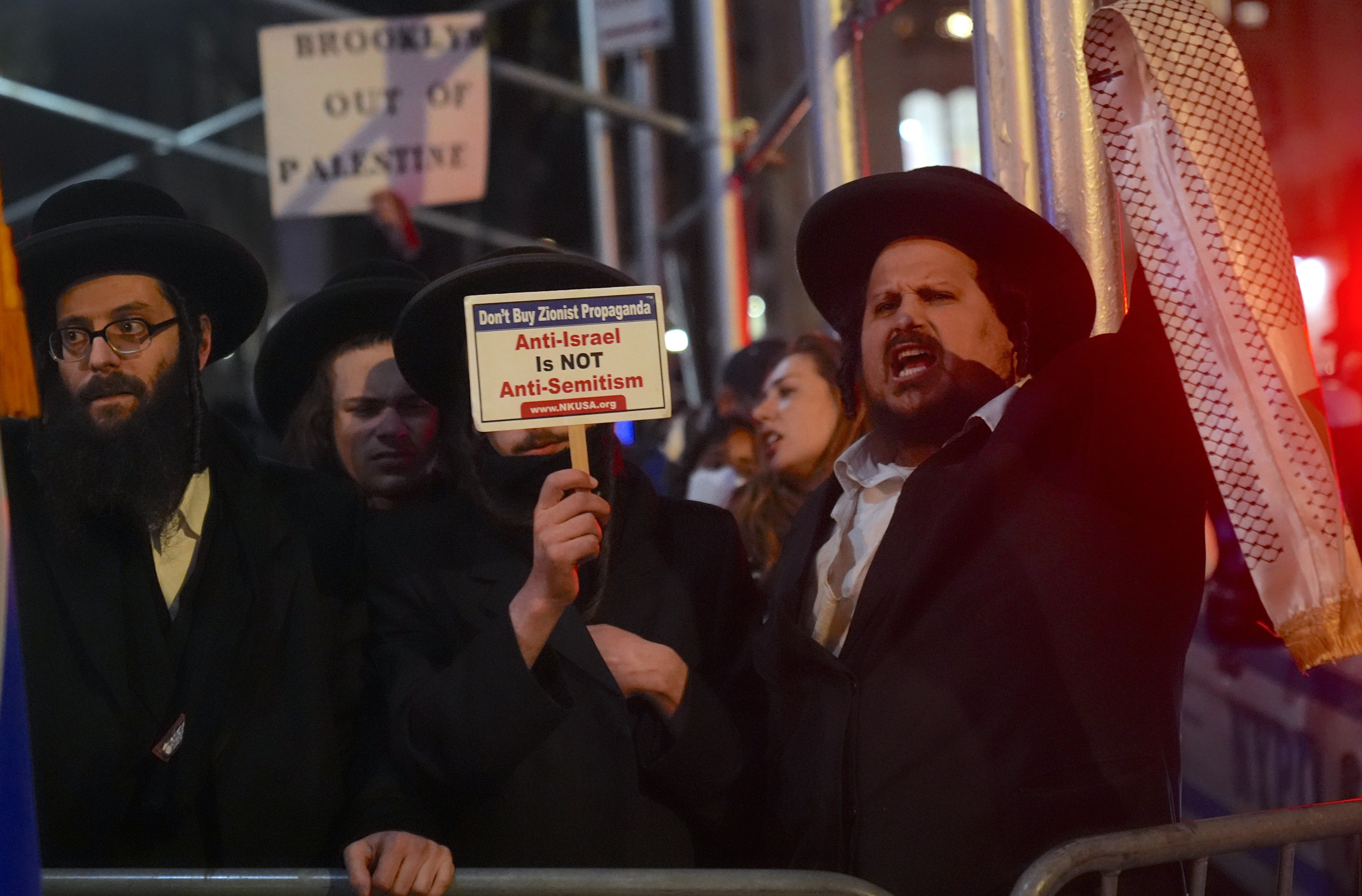
The practice has become a flashpoint in the broader debate over Israeli policy and the rights of Palestinians. According to a New York Times report in May, such events have been held across the New York area for years, but recent months have seen an energized pro-Palestinian movement drawing public attention through protests outside synagogues that host them. These protests have sometimes turned raucous, with shouting matches and even violence, and have occasionally included antisemitic slogans and displays of support for militant groups.
Critics argue that the land being marketed is often taken from Palestinian owners through force, discriminatory legal maneuvers, or with the backing of the Israeli military. “There is a prima facie case at the very least that people were advertising land in illegal settlements and that is contrary to law, and the government needs to act,” said Andy McDonald, a Labour MP and co-chair of the British-Palestine all-party parliamentary group, in comments to the Guardian.
In response to the protests, several jurisdictions have moved to create buffer zones around places of worship. In March, the New York City Council voted overwhelmingly to allow police to establish “security zones” around synagogues during such events. Mayor Zohran Mamdani, despite expressing First Amendment concerns, allowed the bill to become law without his signature. A mayoral spokesperson, Sam Raskin, told the website Hell Gate that Mamdani “is deeply opposed to the real estate expo this evening that includes the promotion of the sale of land in settlements in the Occupied West Bank,” adding that “these settlements are illegal under international law and deeply tied to the ongoing displacement of Palestinians.”
In May, New York Governor Kathy Hochul signed a bill making it a misdemeanor to prevent someone from entering a house of worship or to cause them to fear for their safety, and allowing police to impose a 50-foot no-protest buffer. Hochul stated, “Every New Yorker should be able to enter their house of worship and practice their religion without fear.” California is considering similar legislation.
Pro-Israel organizations such as the Anti-Defamation League, AIPAC, and the American Jewish Committee have framed these measures as necessary to protect religious freedom. ADL CEO Jonathan Greenblatt called the laws a way to create “safe worship zones.” But critics say these groups are weaponizing antisemitism accusations to shield controversial real estate deals from legitimate criticism. They point out that conflating protests against Israeli policy with antisemitism is a deliberate strategy to silence dissent.
The controversy also highlights a disconnect between established Jewish organizations and the broader Jewish community. A spring 2026 survey by the Jewish Electorate Institute found that only a third of American Jews identify as Zionists, and other polls show declining support for Israeli government policies, especially among younger Jews. The collapse of Palestinian healthcare and the ongoing displacement of Palestinians have become central concerns for many.
Meanwhile, the real estate events continue, often in the face of legal challenges and public outcry. For many, the question remains: when a synagogue hosts a commercial venture that profits from disputed land, does it still serve as a sacred space? Or has it become a willing participant in a political project that many see as a land grab?
The issue is likely to intensify as more communities grapple with how to balance religious freedom, free speech, and the ethical implications of such sales. As the debate unfolds, the role of synagogues in this controversial commerce remains under scrutiny.