The U.S. Court of Appeals for the 2nd Circuit dealt a blow to a Palestinian student's legal fight on Tuesday, overturning a lower court's decision to release him from immigration detention. The ruling marks a significant victory for the Trump administration's broader crackdown on foreign students involved in pro-Palestinian activism.
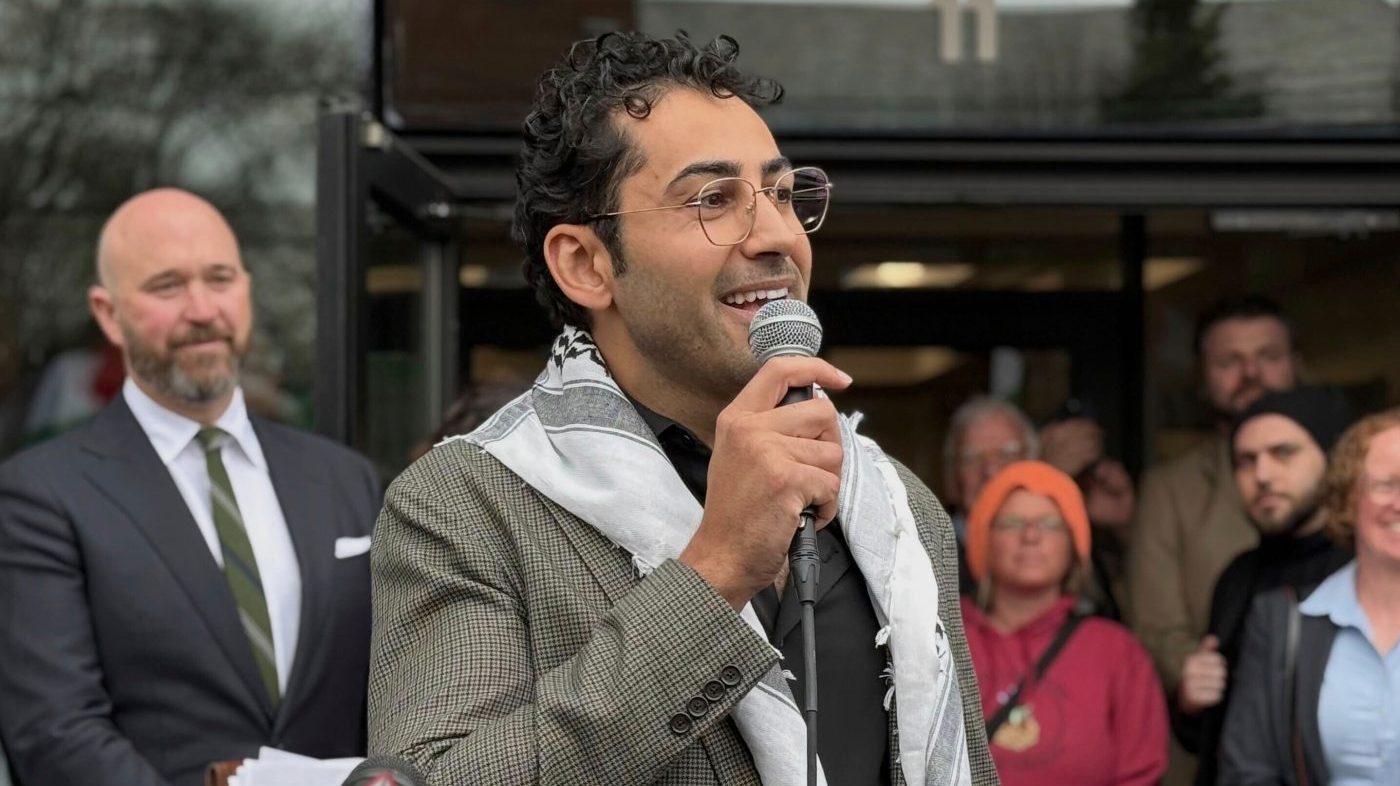
Mohsen Mahdawi, a Columbia University student and lawful permanent resident, was arrested in April 2025 at what he thought was a routine naturalization interview in Vermont. The incident, which went viral, became a flashpoint in the administration's immigration enforcement efforts. Mahdawi's arrest was part of a larger push by Secretary of State Marco Rubio to designate certain foreign students as removable due to their potential to harm U.S. foreign policy interests.

In its decision, the 2nd Circuit panel, led by Judge Debra Ann Livingston, concluded that federal law prevents courts from intervening at this stage of the deportation process. “We conclude that the district court should not have reached this question,” Livingston wrote. The panel included Judges William Nardini and Steven Menashi, both Trump appointees. The ruling echoes a similar decision from the 3rd Circuit in January involving Mahmoud Khalil, another Columbia student facing deportation.
Last year, a district judge had sided with Mahdawi, finding that the administration likely targeted him for his protected speech about the Israel-Gaza war. But the appeals court disagreed, saying the judiciary lacks authority to second-guess the executive branch's immigration decisions at this point. Mahdawi's removal order to Jordan has already been issued, and his legal team, led by the American Civil Liberties Union (ACLU), has filed a separate appeal with the 1st Circuit, which remains pending.
The ACLU has warned that without judicial review during the detention phase, Mahdawi has no way to challenge his continued incarceration. The organization has not yet commented on the 2nd Circuit's ruling. The Department of Homeland Security also declined to comment.
In addition to the foreign policy designation, the Justice Department has cited two incidents to bolster its case for deportation. In 2015, a gun shop owner reported that Mahdawi said he used to build guns “to kill Jews while he was in Palestine.” Mahdawi denies making that statement. In 2019, border officials allegedly found him in possession of LSD, methamphetamine, and mushrooms, though the record was expunged after he completed a diversion program. Mahdawi also denies possessing illegal drugs.
The case highlights the administration's aggressive use of immigration law to target foreign students who have criticized Israel. The 2nd Circuit's ruling reinforces the notion that courts have limited jurisdiction to intervene in deportation proceedings, even when allegations of targeting speech are raised. This legal landscape may have broader implications for similar cases, as seen in the appeals court's recent narrowing of rulings against Trump-era policies.
Mahdawi's lawyers are now pinning their hopes on the 1st Circuit appeal, arguing that the removal order itself is flawed. But with the 2nd Circuit's decision, the administration has secured a key legal win, reinforcing its ability to detain and deport individuals deemed a foreign policy risk. The case continues to draw attention as a test of executive power in immigration matters.