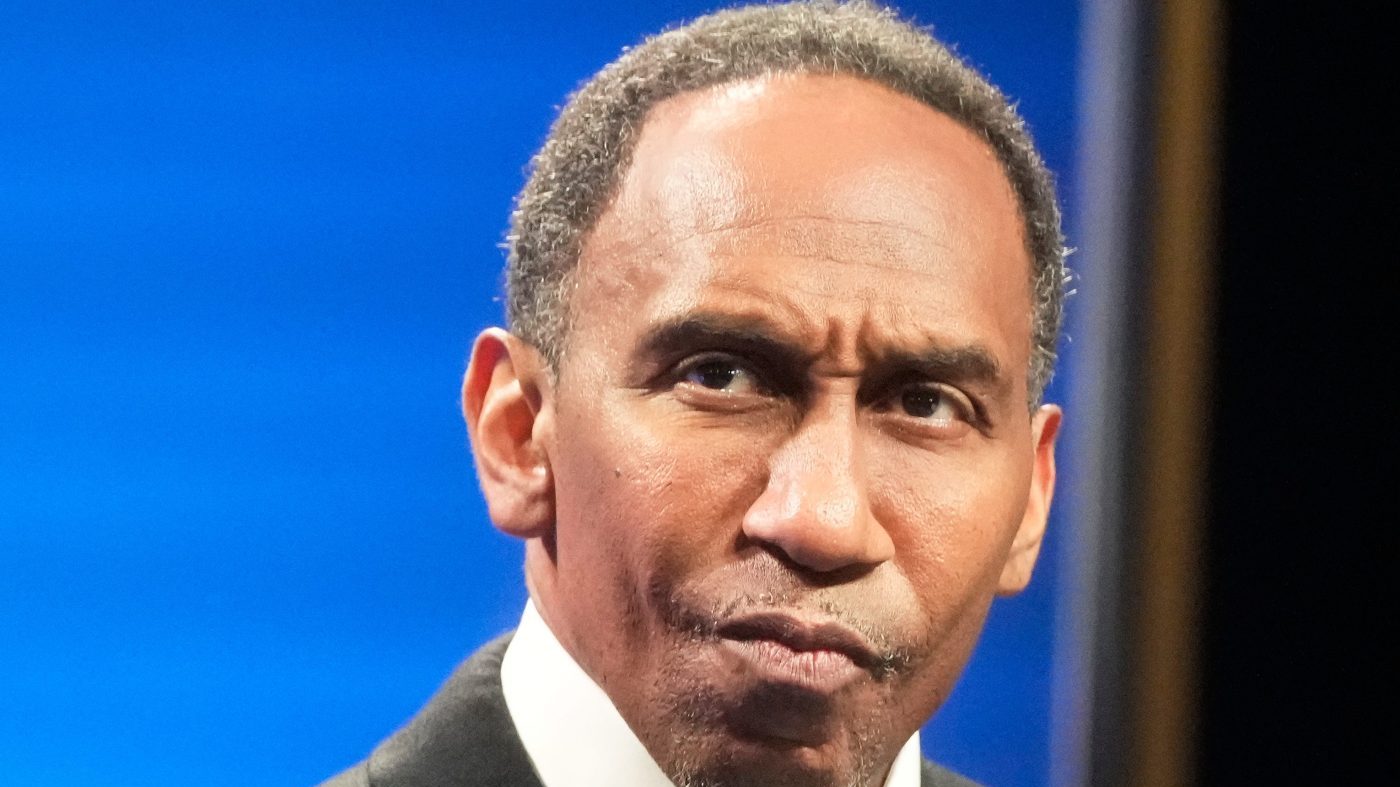
Sports commentator Stephen A. Smith on Thursday sharply criticized former White House chief medical adviser Anthony Fauci for invoking his Fifth Amendment rights 111 times during a tense Senate hearing, arguing that Fauci's public prominence during the COVID-19 pandemic obligated him to answer lawmakers' questions directly.
"As it strictly pertains to the coronavirus pandemic, my attitude is, with you being the face that you have been, you can't show up on Capitol Hill and plead the Fifth 111 times," Smith told NewsNation's Chris Cuomo. "You just can't do that. That's not right. You've got to answer some questions."
During Wednesday's three-hour hearing before the Senate Homeland Security Committee, Fauci repeatedly declined to respond to Republican questioning, citing his constitutional protections. GOP members accused him of covering up potential U.S. involvement in gain-of-function research that may have contributed to the virus's spread.
Smith acknowledged that Fauci—who led the National Institute of Allergy and Infectious Diseases for nearly four decades—might have had legitimate legal reasons to stay silent. He pointed to the preemptive pardon Fauci received from President Biden on his final day in office, covering potential offenses from January 1, 2014, to January 19, 2025. "Anything that he said clearly could potentially incriminate him and could give them fodder to come after him for future potential transgressions," Smith said, adding that he would not want "an 85-year-old man thrown in jail, particularly with his exemplary service."
Republicans, led by committee chair Sen. Rand Paul (R-Ky.), argued that Fauci had no valid basis to invoke the Fifth Amendment, given the pardon. Paul had released more than 1,000 pages of Fauci's personal diaries and work records before the hearing—a move Fauci condemned as an attempt to "embarrass and intimidate" him. Paul has also threatened to hold Fauci in contempt and has previously sought to indict him.
The hearing exposed deep partisan fault lines. Democrats praised Fauci's decades of public service and leadership in infectious disease, while Republicans blamed him for COVID-19 deaths, vaccine injuries, and what they call a collapse of public trust in health institutions. The clash has intensified the ongoing debate over pandemic accountability, a topic that continues to resonate with voters.
Smith's comments add to a growing chorus of critics across the political spectrum. Former CDC director Dr. Deborah Birx has noted that public anger over the COVID response persists, and even some Democrats, like Sen. John Fetterman, have criticized Fauci's ego while saying the GOP grilling went too far. The partisan divide over Fauci's legal strategy shows no sign of healing.
Meanwhile, conservative commentators like Bill O'Reilly have called Fauci a "swamp creature," and Florida's attorney general has launched a probe into his actions. Even President Trump has weighed in, endorsing Biden's pardon of Fauci while questioning the use of an autopen for the signature. The contempt threat from Rand Paul looms, and the political fallout from Fauci's testimony is likely to continue shaping the 2024 election narrative.
For now, Smith's blunt assessment underscores a broader public sentiment: that Fauci's silence, however legally justified, has done little to quell the anger of those who feel the pandemic response left too many questions unanswered. As the anger over COVID response persists, the hearing may be remembered as a turning point in how the nation reckons with its pandemic past.