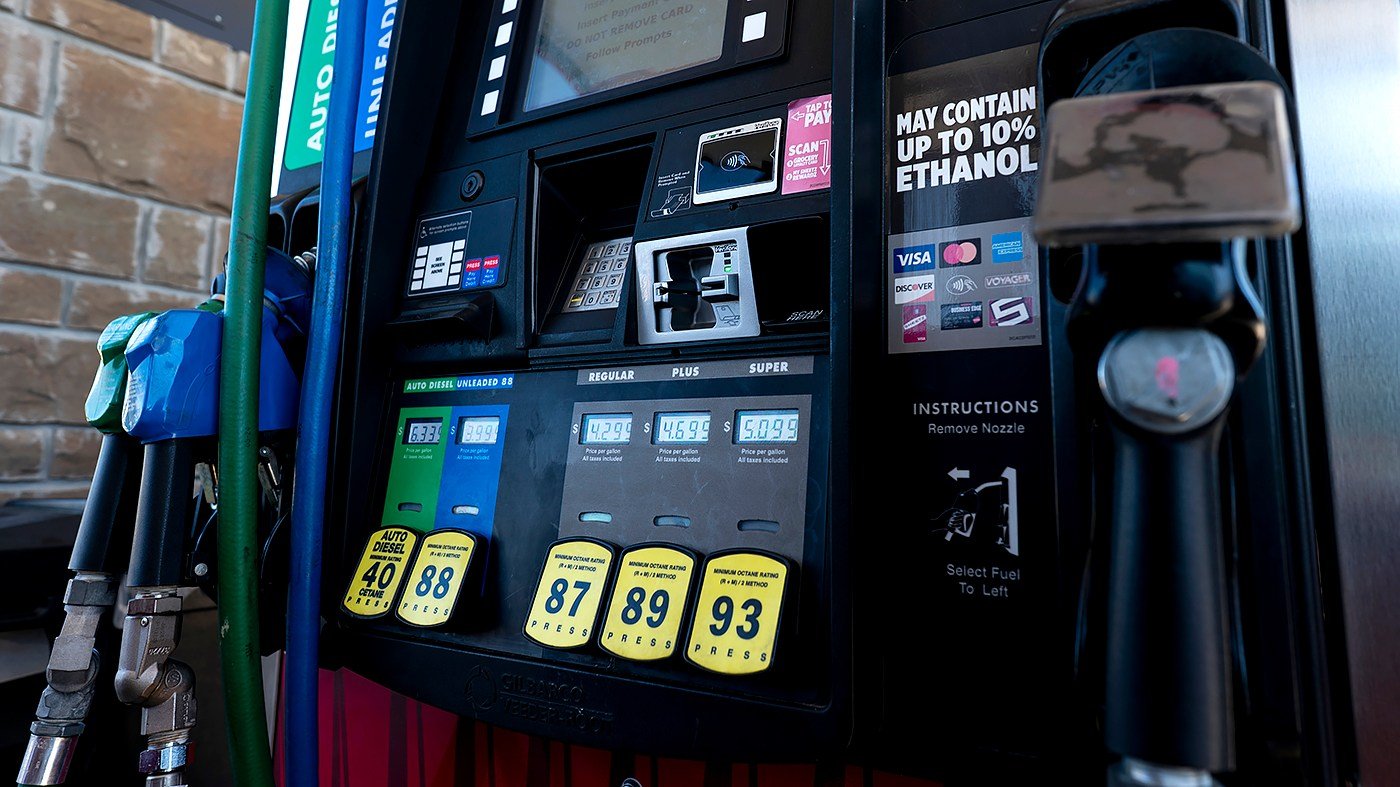
The Trump administration's twin pillars of national energy security and Middle East diplomacy, built through the Abraham Accords, face severe pressure. A widening conflict with Iran has triggered a major energy shock, sending oil prices soaring past $115 a barrel and threatening broader economic stability.
The Hormuz Chokepoint and a Depleted Toolkit
The crisis centers on the Strait of Hormuz, a maritime artery for roughly one-fifth of the world's oil. Constricted shipping lanes are cascading economic pain globally, raising fuel costs and inflation. In response, Washington has deployed extraordinary measures, including a massive drawdown from the U.S. Strategic Petroleum Reserve. This has helped temper prices but left reserves at their lowest level in four decades.
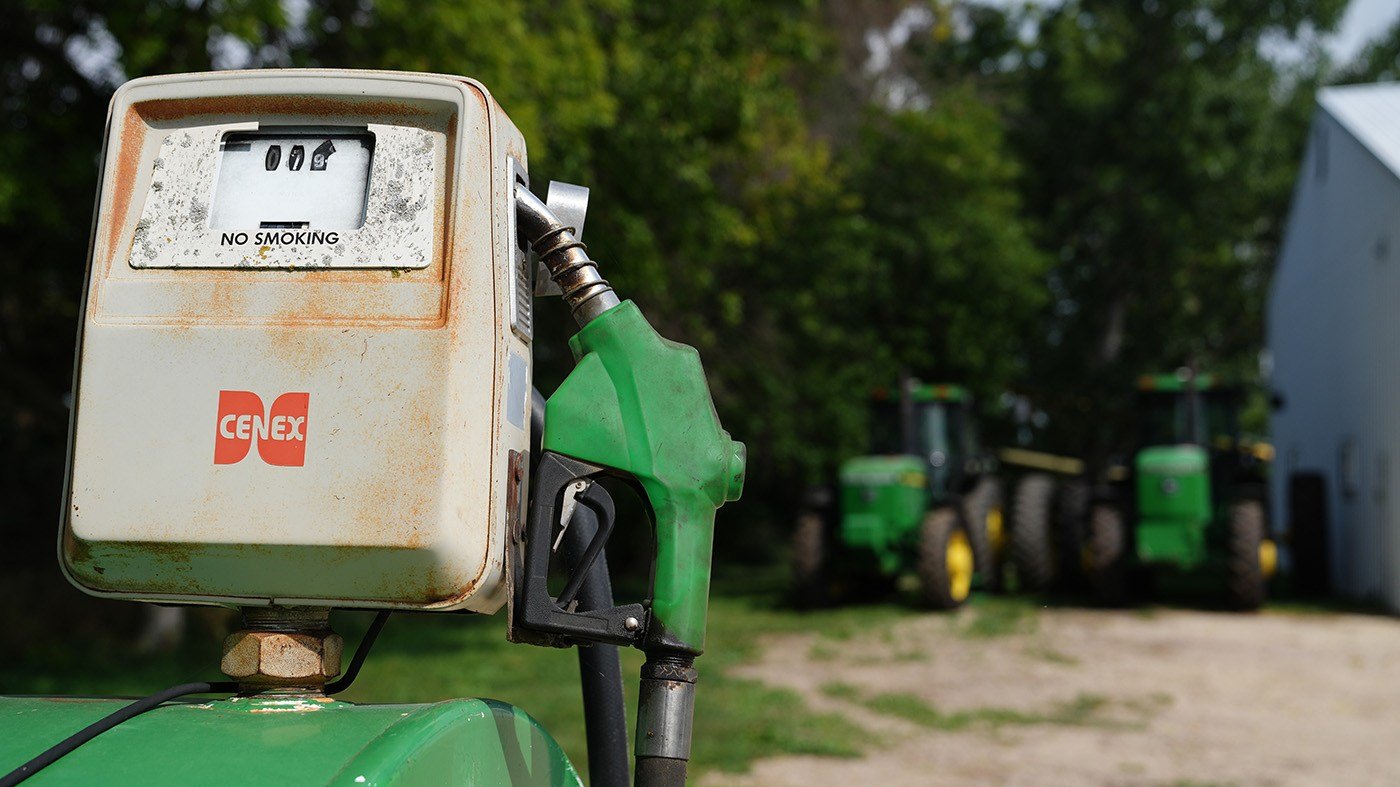
Concurrently, policymakers have shown pragmatic flexibility on sanctions, issuing temporary waivers for stranded Russian and Iranian cargoes. While these steps underscore the urgency, they are inherently limited. Reserves are finite, and sanctions relief involves geopolitical trade-offs. They are stopgaps that fail to address the core problem: insufficient global supply and fragile energy infrastructure.
Libya: A Geological Answer to a Political Problem
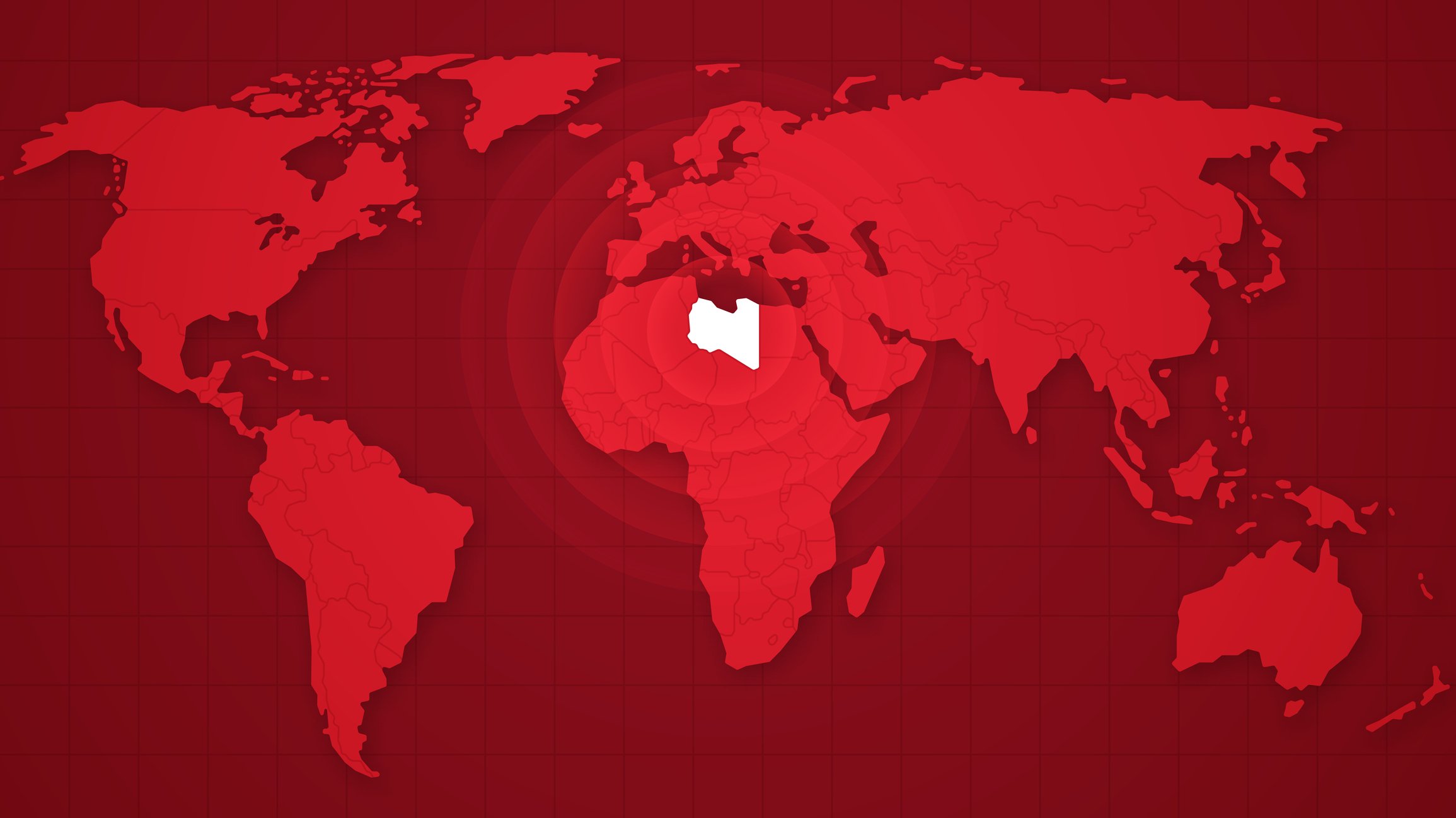
As the administration searches for durable market stability, a strategic opportunity lies in North Africa. Libya sits on Africa's largest proven oil reserves—over 48 billion barrels—and produces the light, sweet crude prized by European refineries. Before its descent into instability, the nation pumped approximately 1.6 million barrels per day. With stability and investment, analysts believe output could surpass 2 million barrels, providing a meaningful buffer against Gulf disruptions.
The obstacle is not geology but governance. Since the NATO-backed overthrow of Moammar Gadhafi in 2011, Libya has remained fractured, with rival governments and militias controlling infrastructure, repeatedly disrupting production and scaring off investment. This persistent failure now presents a distinct opportunity. A durable political settlement could unlock suppressed production, attract capital, and offer Europe a reliable, proximate alternative to volatile Middle Eastern supply routes.
Broader Strategic Dividends
The benefits of Libyan stabilization extend far beyond the energy sector. The nation's lawlessness has allowed extremist groups, including ISIS and al-Qaeda, to operate. Securing the country would enhance counterterrorism cooperation with the U.S. and Europe. Furthermore, it would check the expanding influence of China and Russia in Africa's energy landscape, making Libya a key strategic prize.
For the White House, Libya represents a rare convergence of feasibility and strategic gain. Unlike entrenched adversaries such as Iran or ideologically opposed states like Venezuela, Libya is a fragmented nation where competing factions share a fundamental incentive: restoring oil revenue. This common interest creates a foundation for pragmatic diplomacy. As the Energy Secretary warns of imminent gas price peaks due to the Hormuz blockade, and the UN projects tens of millions could fall into poverty from the conflict's economic fallout, the need for long-term solutions is acute.
Energy markets are powerfully swayed by expectations. The credible prospect of significantly increased Libyan production could itself restore confidence, reduce price volatility, and apply downward pressure globally. While the administration manages the immediate crisis, including debates over strategic gains in Iran and contradictory claims about the conflict's status, a diplomatic push in Libya offers a path to expand global supply and secure a clear geopolitical victory.
At a moment of historic disruption, Libya is not merely another foreign policy challenge. It is a potential strategic solution, hidden in plain sight, waiting for the political will to unlock it.