A major military confrontation between the United States, Israel, and Iran risks pushing tens of millions of people globally into poverty, according to a stark new United Nations assessment. The United Nations Development Programme (UNDP) projects that as many as 32.5 million individuals could fall below the poverty line due to cascading economic effects from the conflict.
Global Economic Shockwaves
The UNDP's 27-page brief, released Tuesday, identifies a trio of primary drivers for this potential surge in poverty: severe disruptions to energy affordability and supply, sharp increases in global food prices, and significant downturns in gross domestic product across vulnerable economies. The analysis warns that the economic damage extends far beyond the immediate war zone.
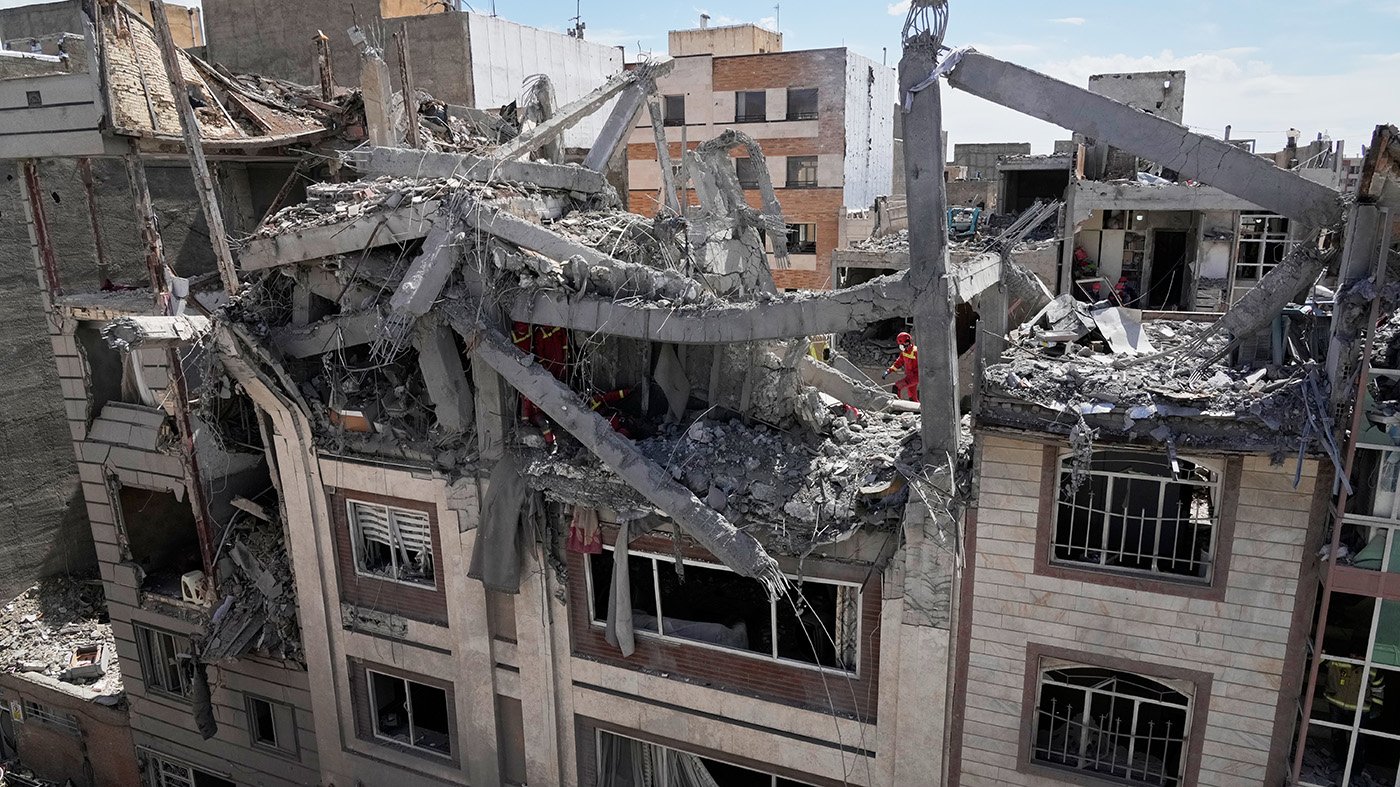
Countries in the Gulf region, parts of Asia, sub-Saharan Africa, and small island developing states are identified as being uniquely exposed to these secondary shocks. The UNDP notes that Iran itself has already suffered a severe reversal, losing an estimated year and a half of human development progress in just the first month of hostilities, which began with U.S. and Israeli strikes on February 28.
"War Is Development in Reverse"
UNDP Administrator Alexander De Croo framed the findings in dire terms. "War is development in reverse. Conflict can undo in weeks what countries have built over years," he stated. "This new analysis shows that the shock of the escalation of the conflict in the Middle East is not limited to the countries directly affected, but falls disproportionately on those with the least fiscal room to absorb higher energy and food prices."
De Croo emphasized the impossible policy choices facing impacted governments. "For these countries, the crisis forces impossible trade-offs between stabilizing prices today and funding health, education, and jobs tomorrow. That is unacceptable, and it is preventable. Early policy action matters." This tension between immediate crisis response and long-term investment echoes broader criticism of how international institutions prioritize funding.
Human Cost and Policy Response
The human toll within Iran has been severe. According to the U.S.-based Human Rights Activants News Agency (HRANA), 1,701 Iranian civilians had been killed as of last Tuesday, including at least 254 children. A two-week ceasefire took effect the following day, with HRANA reporting at least 20 attacks in the preceding 24 hours that resulted in no casualties.
To mitigate the economic fallout, the UNDP recommends a targeted relief package of up to $6 billion in temporary cash transfers to poor households, alongside vouchers or subsidies for essential electricity and cooking gas consumption. The agency explicitly cautions against broad energy subsidies, arguing they disproportionately benefit wealthier populations and are financially unsustainable—a policy debate familiar in contexts like the looming retail price settlements affecting U.S. consumers.
Diplomatic Impasse Continues
The grim economic projections come as diplomatic efforts remain stalled. Over the weekend, U.S. and Iranian officials concluded talks in Pakistan without an agreement to restrain Tehran's nuclear program or end hostilities. Vice President J.D. Vance, who led the American delegation, acknowledged "some progress" but placed responsibility for the deadlock on Iran.
"Whether we have further conversations, whether we ultimately get to a deal, I really think the ball is in the Iranian court because we put a lot on the table," Vance told Fox News. Iranian Foreign Minister Abbas Araghchi countered that Tehran negotiated in good faith but faced "maximalism, shifting goalposts, and blockade" from Washington when close to a memorandum of understanding. This diplomatic friction aligns with warnings from figures like former CIA Director David Petraeus about prolonged, difficult negotiations with Iran.
The UNDP report ultimately presents the conflict not merely as a regional security crisis, but as a potential trigger for a global poverty epidemic, underscoring how modern warfare creates interconnected economic vulnerabilities that transcend borders.