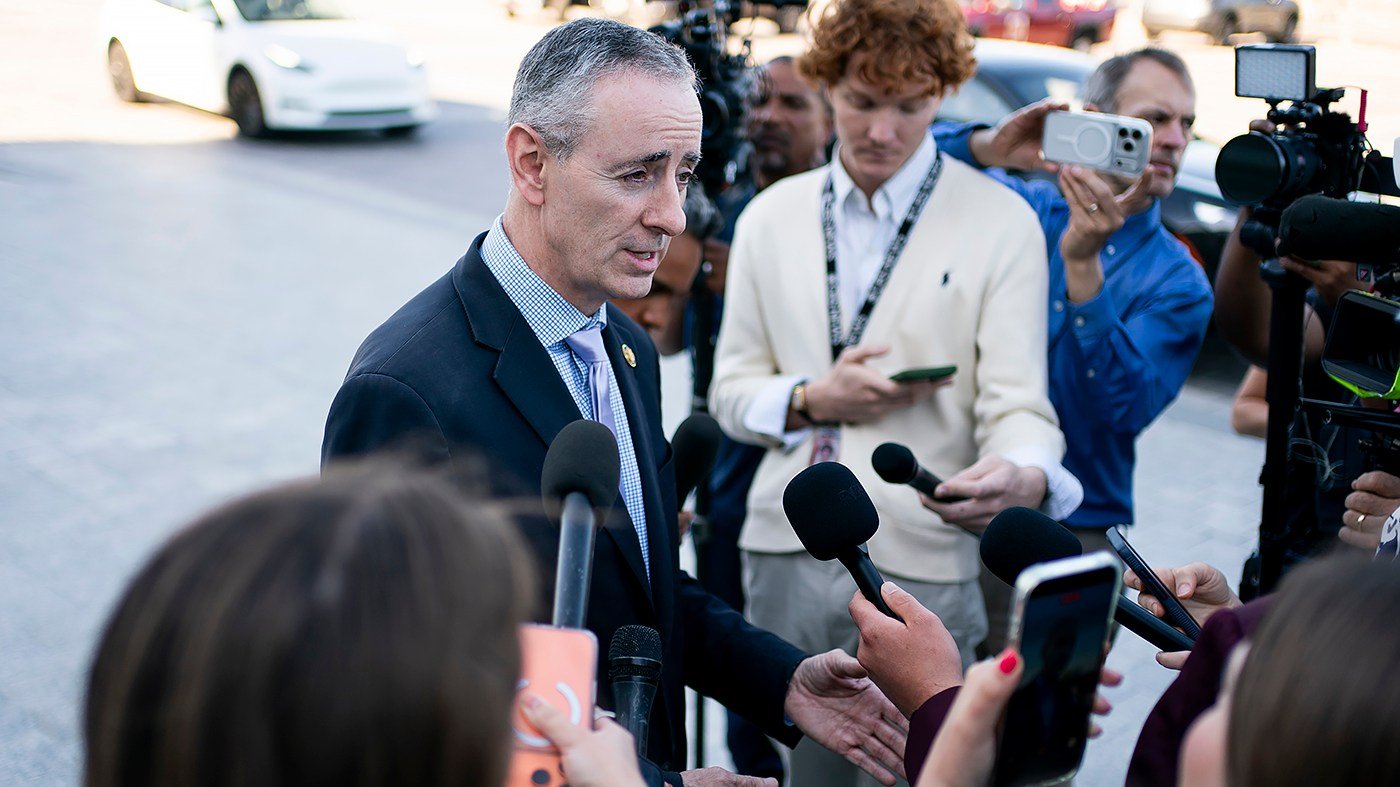
Republican Senator Ron Johnson of Wisconsin publicly contradicted President Trump's assessment of the Iran conflict on Sunday, stating the United States has not yet achieved victory despite the president's declaration. The disagreement emerged following the collapse of high-stakes negotiations between a U.S. delegation and Iranian officials in Islamabad over the weekend.
Divergent Definitions of Victory
"We will not have won until we have completely defanged the Iranian regime," Johnson told ABC's "This Week." The senator outlined an expansive definition of victory that includes ensuring Iran can never produce a nuclear weapon, ending uranium enrichment, removing existing enriched material, securing the Strait of Hormuz, ending the regime's "brutalization" of its people, and terminating its sponsorship of state terrorism. "So, we have to finish the job," Johnson emphasized, adding there are "multiple avenues" to approach the objective.
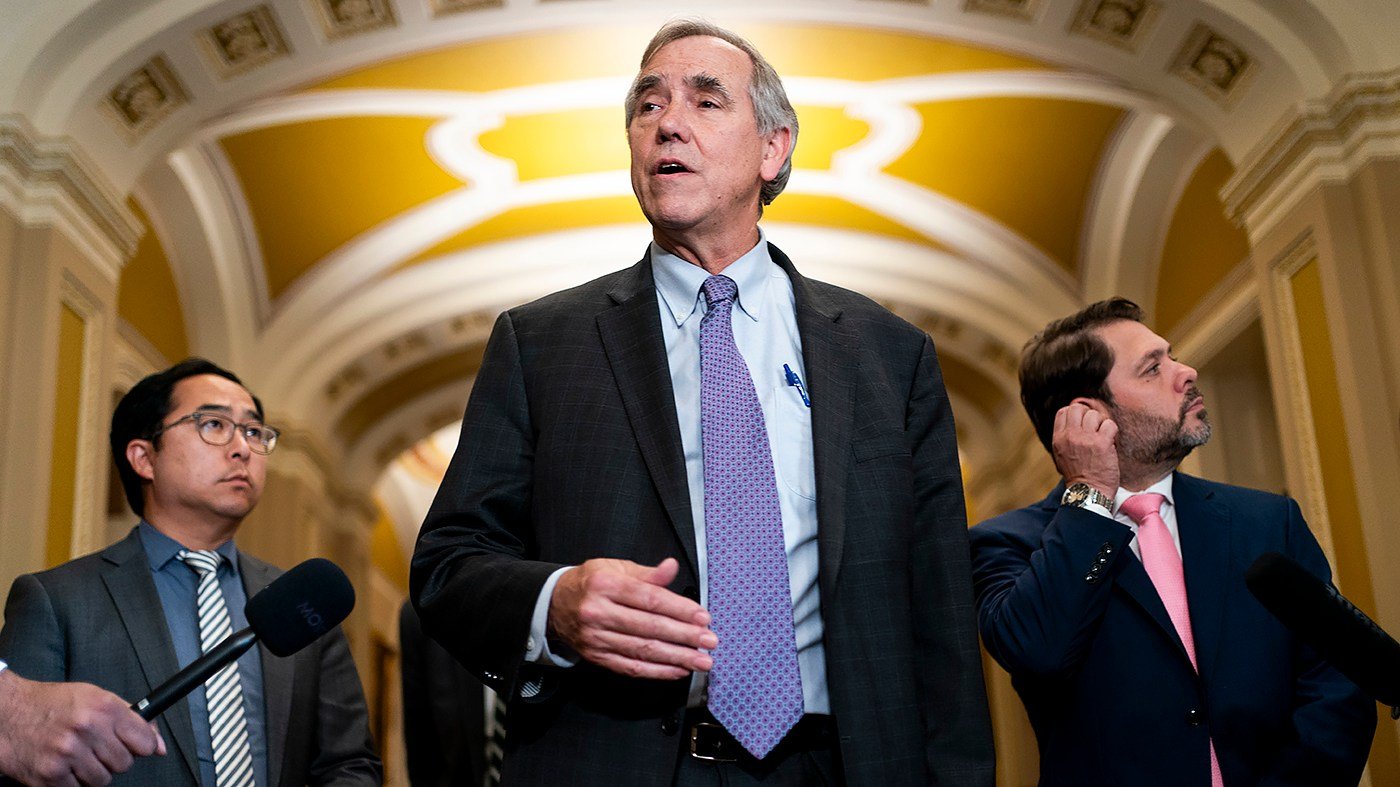
This stands in stark contrast to President Trump's Saturday declaration that "we've won" the conflict. Speaking to reporters at the White House, Trump cited military achievements including defeating Iran's navy, air force, anti-aircraft systems, and radar capabilities, along with the deaths of multiple Iranian officials since hostilities began on February 28.
Failed Negotiations and Unmet Demands
The diplomatic effort, led by Vice President Vance, concluded without an agreement to curb Tehran's nuclear program or end hostilities. Speaking in Islamabad, Vance reported he did not receive an "affirmative commitment" from Iranian officials that they would forswear nuclear weapons development or cease acquiring enabling capabilities. "The simple question is, do we see a fundamental commitment of will for the Iranians not to develop a nuclear weapon, not just now, not just two years from now, but for the long term? We haven't seen that yet," Vance stated.
Despite the setback, Trump told Fox News on Sunday that the U.S. delegation "got just about every point we needed," except for limits on Iran's nuclear capabilities. He had previously dismissed the talks' outcome as making "no difference" to him because of the claimed victory.
Administration's 'Red Lines' for Tehran
A U.S. official outlined the administration's core demands, which include Iran ending all uranium enrichment, dismantling major nuclear facilities, surrendering highly enriched uranium, accepting a regional security framework, ending funding for proxy groups like Hamas and Hezbollah, and fully opening the Strait of Hormuz without tolls. The administration's stance represents a significant hardening from previous diplomatic approaches, including the Obama-era nuclear deal that Trump abandoned.
Johnson expressed no surprise at the diplomatic failure, noting the Iranian regime's long-term preparation. "The ayatollahs, even though they have been so degraded in terms of their capabilities, nobody thought this would be easy," he said. "They've been preparing for this for 47 years."
Strategic Implications and Regional Tensions
The public disagreement between a senior Republican senator and the president highlights ongoing divisions within the GOP over Iran strategy and the definition of success in a conflict that has escalated significantly. The administration's maximalist demands, coupled with Trump's unprecedented rhetorical approach to the conflict, have created a complex diplomatic landscape with few apparent off-ramps.
The Strait of Hormuz remains a critical flashpoint, with the U.S. demanding unrestricted access to the vital waterway. Recent administration actions, including a naval blockade order following the failed talks, underscore the persistent risk of escalation. As Johnson's comments indicate, key Republican lawmakers believe the current military and diplomatic pressure has not yet achieved the fundamental objective of neutralizing Iran as a regional threat.
The path forward remains uncertain, with the administration facing pressure from allies and critics alike to articulate a coherent endgame. With negotiations stalled and definitions of victory diverging even within the president's own party, the Iran conflict appears poised to extend indefinitely, with significant implications for global energy markets, regional stability, and U.S. foreign policy credibility.