Bipartisan Leadership Commemorates Yom HaShoah
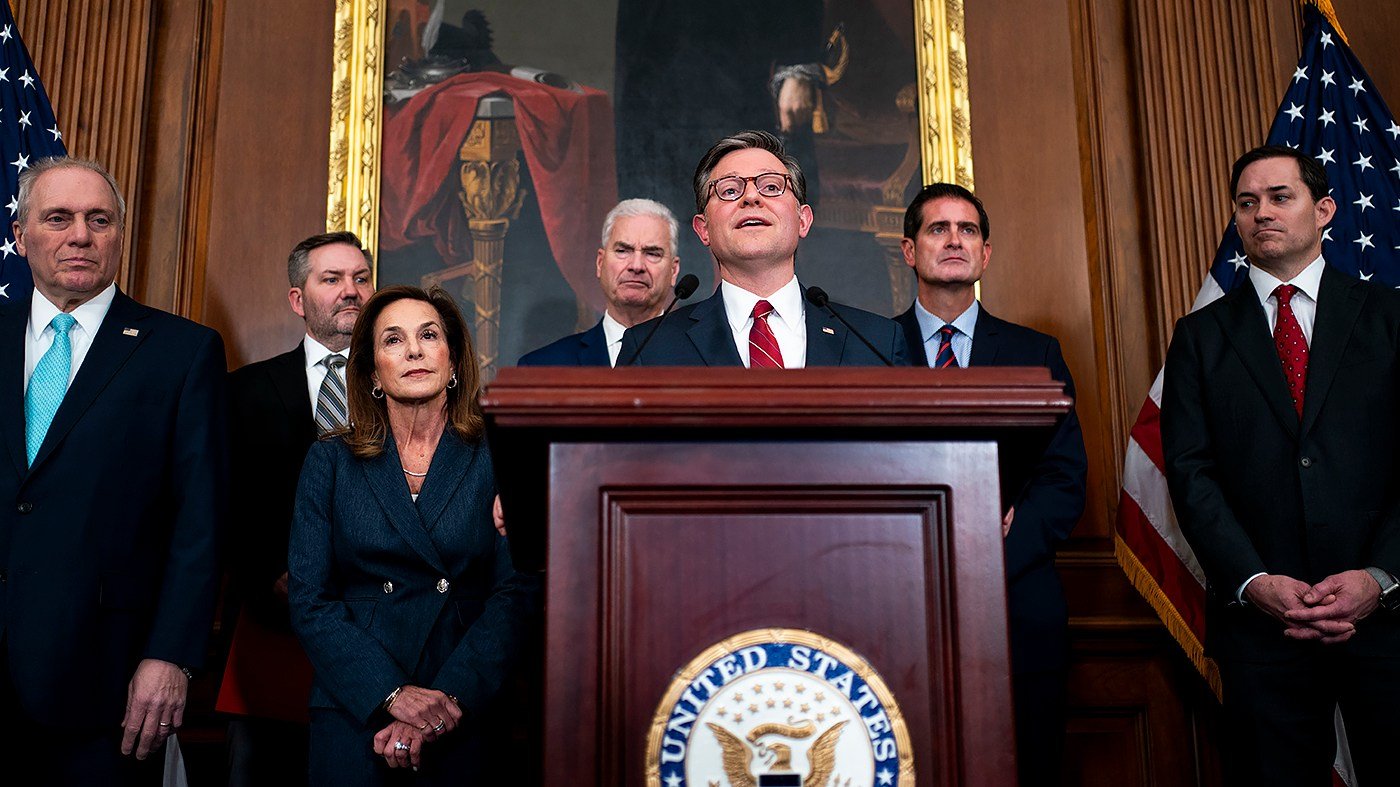
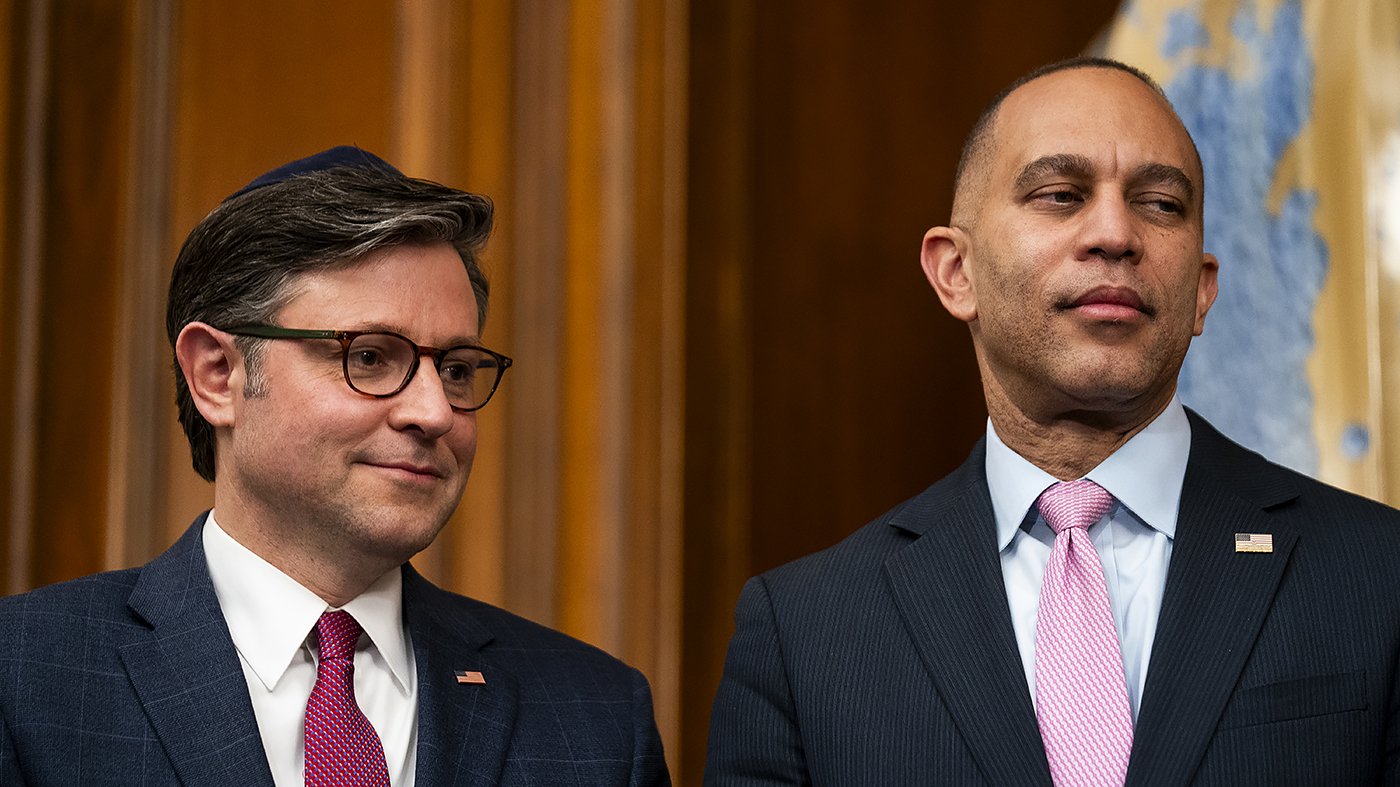
House Speaker Mike Johnson, a Republican from Louisiana, and Democratic Minority Leader Hakeem Jeffries of New York are presiding over a Holocaust remembrance ceremony at the U.S. Capitol on Tuesday. The event marks Yom HaShoah, the annual day of commemoration for the six million Jewish victims of the Nazi genocide.
In a statement released ahead of the ceremony, the House Republican Conference emphasized remembrance and commitment. "On this day, we honor the memory of those lost and reaffirm our dedication to supporting survivors and their families who continue to bear the profound burden of this history," the statement read, reflecting the party's official observance.
Ceremony Follows Heightened Political Focus on Antisemitism
The Capitol Hill ceremony takes place as political leaders in Washington have significantly increased their public efforts to confront antisemitism. This push has gained urgency following the outbreak of the Israel-Hamas war in Gaza in 2023, which triggered widespread protests across American university campuses and in cities nationwide. The political response has involved both legislative action and heightened rhetoric from the administration and Congress.
The event, scheduled for a 10:30 a.m. EDT start, represents a rare moment of unified political action between the two partisan leaders. This collaboration occurs even as Johnson manages significant internal party challenges, including navigating a GOP revolt over surveillance authority and homeland security funding with an increasingly narrow majority. The strain on his leadership is compounded by a record number of House Republican departures threatening the party's control ahead of the 2026 elections.
Context of Broader Foreign Policy Tensions
The remembrance event also unfolds within a complex foreign policy landscape, where U.S. relations with Iran remain a point of contention and public debate. Recent statements from Speaker Johnson have highlighted divisions within the Republican party, notably when he publicly declared the strategic conflict with Iran unresolved, directly countering claims of victory from former President Donald Trump. Johnson has also publicly urged restraint regarding Iran, cautioning against military actions targeting civilian infrastructure.
Meanwhile, Democratic Leader Jeffries has been vocal in criticizing Republican foreign policy approaches, having demanded the GOP 'stop the madness' following inflammatory rhetoric from Trump. Jeffries has also focused on domestic governance, recently calling for the House to cut short its recess to resolve a funding impasse threatening a Department of Homeland Security shutdown.
The ceremony's emphasis on historical lessons comes as Congress grapples with other security and integrity matters. A bipartisan group of senators is currently demanding explanations for the recent Capitol Hill visit by Russian officials who are under U.S. sanctions, an incident that has raised serious questions about protocol and security. Furthermore, the Justice Department has entered a consequential legal debate, arguing that a suspect in the January 6 pipe bomb case is ineligible for a potential pardon from Trump related to the Capitol riot.
Today's ceremony, led by the two highest-ranking members of the House, serves as a powerful symbolic gesture of bipartisan commitment to remembering the Holocaust. It underscores a shared political recognition of the event's historical gravity at a time when issues of hatred, international conflict, and historical memory are acutely prominent in the national discourse. The live broadcast of the event provides the public direct access to this act of congressional commemoration.