The U.S. Department of Justice has formally requested a federal judge deny a bid to dismiss charges against the individual accused of placing pipe bombs outside both major political party headquarters in Washington, D.C., on the eve of the January 6 Capitol breach. The defendant, Brian Cole Jr., had argued his alleged crimes were covered by former President Donald Trump's sweeping pardon for those involved in the Capitol events.
In a filing submitted to the U.S. District Court for the District of Columbia, federal prosecutors asserted Cole is "categorically excluded" from the clemency granted by Trump. The pardon proclamation, which affected hundreds of individuals, contained "clear and unambiguous terms" that do not extend to Cole's case, according to the government's argument.
Legal Boundaries of the Pardon
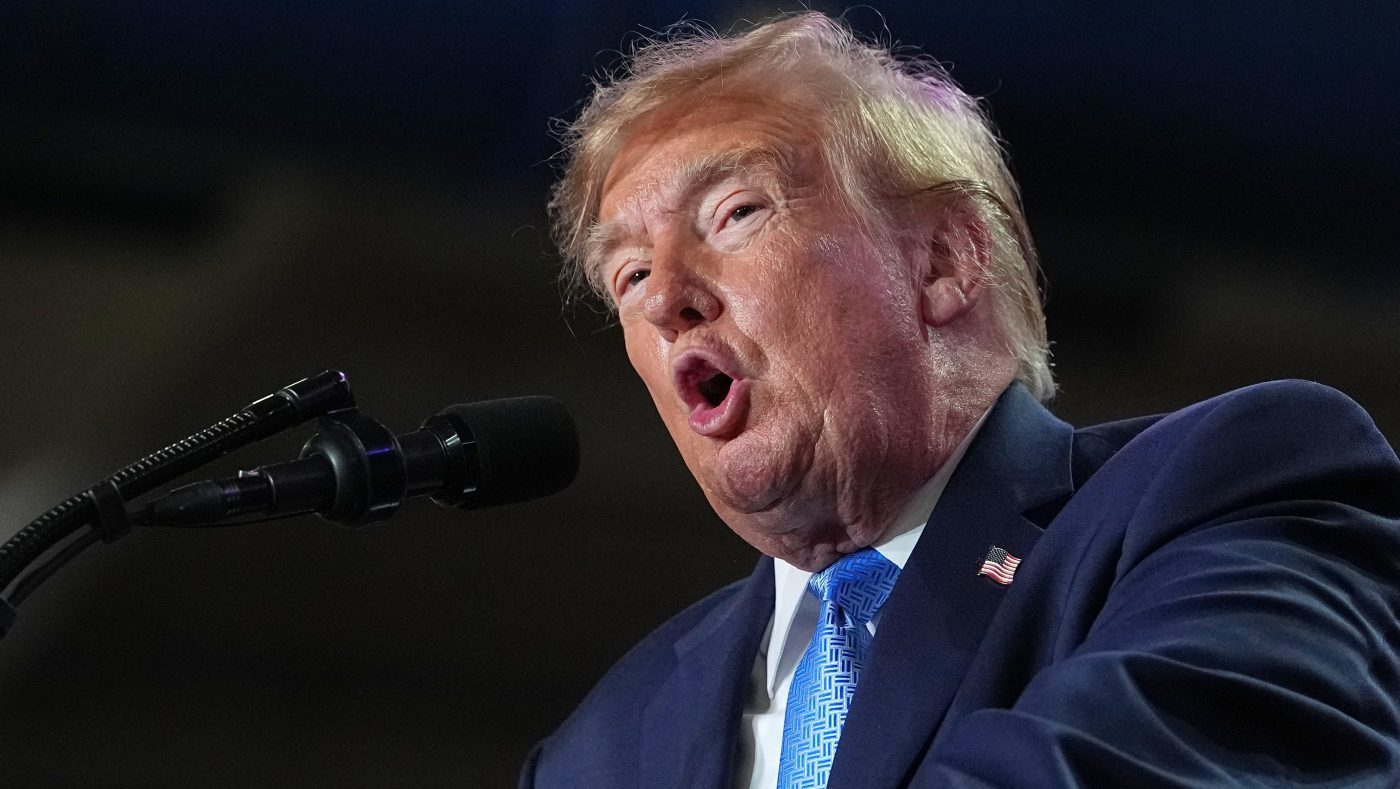
U.S. Attorney Jeanine Pirro, in the court document, emphasized the specific limitations of Trump's executive action. "The defendant ignores that the proclamation expressly limited relief to individuals who had been 'convicted of,' or had a 'pending indictment' for, offenses related to the events at or near the United States Capitol on January 6," Pirro wrote. She noted that on January 20, 2025, when the pardon took effect, Cole belonged to neither category, as his arrest and indictment occurred later that year.
Cole was arrested in December 2025 and formally indicted the following January on two counts related to possessing and transporting functional explosive devices. The bombs, placed outside the Republican and Democratic National Committee offices, were discovered on January 5, 2021, and though they did not detonate, the FBI assessed them as viable threats.
In a March motion to dismiss, Cole's legal team contended his actions were "inextricably and demonstrably tethered" to the January 6 events, attempting to link the case to the broader context of that day's political violence. This legal strategy follows a pattern of high-stakes legal maneuvers seen in post-2020 election cases.
Prosecution's Counter-Argument
The Justice Department's filing pushes back forcefully, asking the court to consider that "even if the Court somehow found, notwithstanding its text, that the proclamation could apply to this case, the Department of Justice's contrary position is supported by a consistent, reasonable interpretation taken by the Executive Branch agency expressly charged with administering the proclamation." This stance underscores the ongoing tension between presidential pardon powers and prosecutorial discretion.
Trump's pardon, issued on his first day back in office in 2025, applied to more than 600 individuals charged with offenses like assaulting or impeding law enforcement during the Capitol riot. The administration framed it as an act of national unity, though it drew immediate criticism from lawmakers and legal experts who viewed it as undermining accountability for the attack.
The pipe bomb case has remained one of the most persistent mysteries of the January 6 period, with the suspect evading identification for nearly five years. The DOJ's current argument seeks to legally separate this premeditated act of placing explosives from the chaotic riot that unfolded the following day, despite defense claims of a direct connection.
This legal dispute occurs against a backdrop of heightened political scrutiny over the administration's approach to January 6 cases and broader national security matters. Some observers note that the administration's focus on domestic political controversies continues to shape its judicial and foreign policy positions. The court's decision on this motion will set a significant precedent for how narrowly or broadly Trump's controversial pardon is interpreted in ongoing prosecutions.