Alliance in Crisis
The North Atlantic Treaty Organization is confronting a foundational crisis. While the military alliance itself is not imminently dissolving, the mutual trust essential for its operation is deteriorating at an alarming rate. The relationship between the United States and many of its European partners is now marked by profound mistrust and, in some quarters, open hostility.
‘Paper Tiger’ and Broken Promises
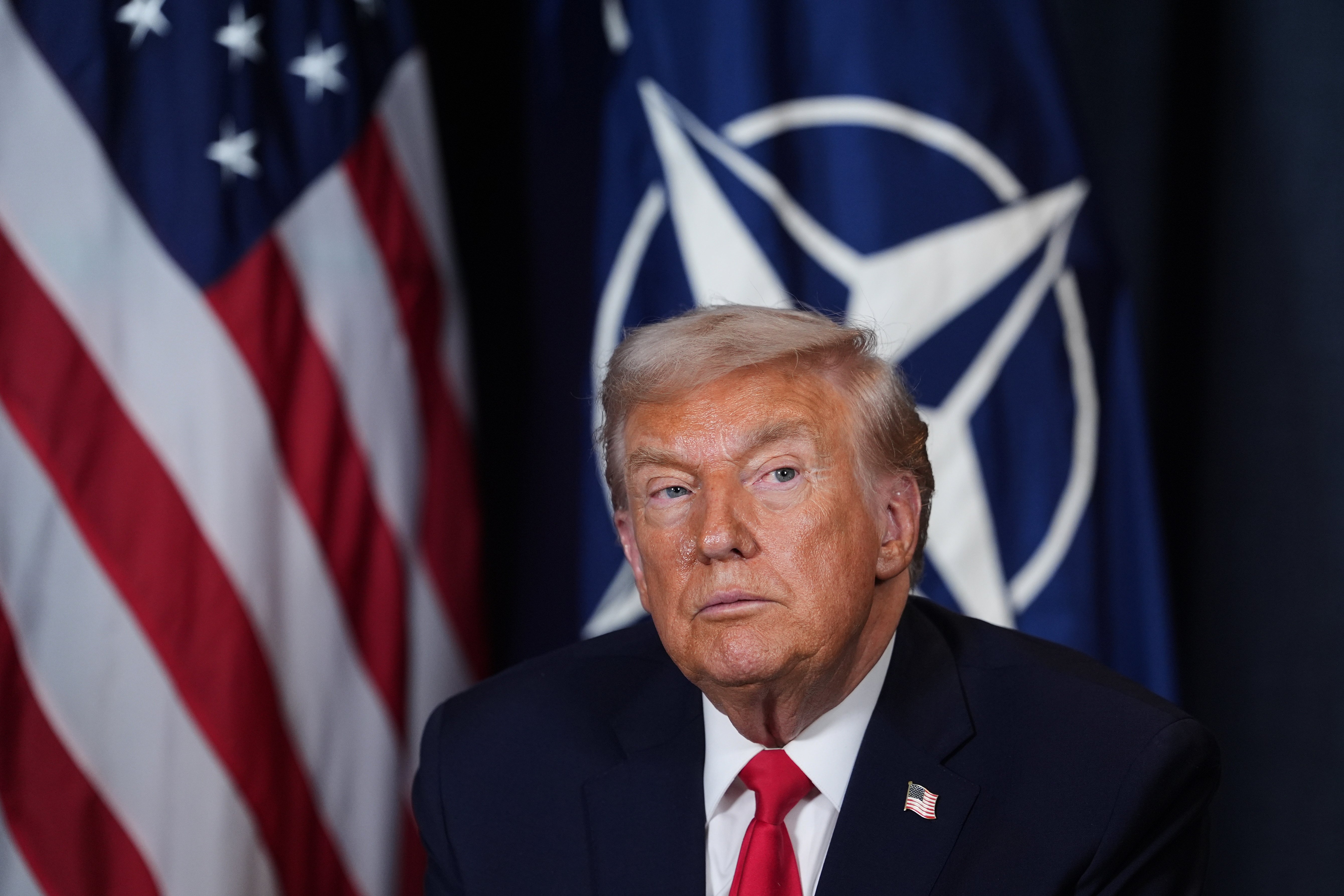
President Donald Trump has publicly dismissed NATO as a "paper tiger," arguing it failed to support American interests during recent Middle East conflicts. Following the Iran ceasefire, he has repeatedly chastised allies for refusing to contribute forces to secure the Strait of Hormuz. On his Truth Social platform, Trump declared the era of automatic American support over, telling allies to "start learning how to fight for yourself." He has specifically targeted France for denying overflight rights to U.S. military aircraft carrying supplies, labeling the move "VERY UNHELPFUL," despite France permitting refueling operations at its bases.
This escalating NATO rhetoric is not occurring in a vacuum. Senior European officials at the recent Paris Defense and Strategy Forum emphasized that the rift began widening during the Obama administration, which frequently characterized European allies as "free riders" on American security. Many now see Trump's confrontational approach as an intensification of a pre-existing American ambivalence, rendering President Biden's earlier efforts at diplomatic repair largely irrelevant.
From Ally to Adversary
The sentiment in European capitals has shifted dramatically. Officials now describe Washington as, at best, a "fair-weather friend"—a term once used by a Pakistani leader to contrast the U.S. with China's "all-weather" partnership. The descriptor "unreliable" was commonplace in Paris. More strikingly, some participants, particularly from Denmark, designated the United States a "threat" or "adversary," a view reportedly shared in Ottawa. As one attendee summarized, "Russia is seen as an adversary, China as a threat, and the United States not far behind China."
Danish concerns are heightened by Trump's past threats to annex Greenland. While participants noted the issue could be addressed under existing treaties, they fear the president may revive it after concluding current military operations. This perception of American caprice feeds directly into the central question now dominating European strategy sessions.
A Future Without America?
The forum's final session was titled "Europe's Defining Moment: Defending Peace without the United States," a stark indicator of how far alienation has progressed. While congressional action prevents Trump from fully withdrawing from the NATO treaty, he retains a potent option to cripple the alliance: following Charles de Gaulle's 1966 example and pulling the United States out of NATO's Integrated Military Command.
Such a move would remove American officers from NATO command staffs and end U.S. military subordination to alliance leadership, devastating NATO's operational coherence. Only Congress could block this step, leading analysts to urge urgent legislative action to forestall it. This political maneuvering occurs as Democrats escalate calls for Trump's removal over his foreign policy conduct, further complicating the Washington landscape.
Paradoxically, a complete withdrawal of U.S. troops from Europe remains unlikely, not due to alliance solidarity but because Washington still relies on European logistical networks for power projection—the very support Trump has criticized allies for withholding. The alliance is thus trapped in a cycle of mutual dependence and deepening resentment, with its military utility hanging in the balance as broader trade conflicts add economic strain to the geopolitical fissure.