Democratic Leaders Issue Urgent Plea to GOP
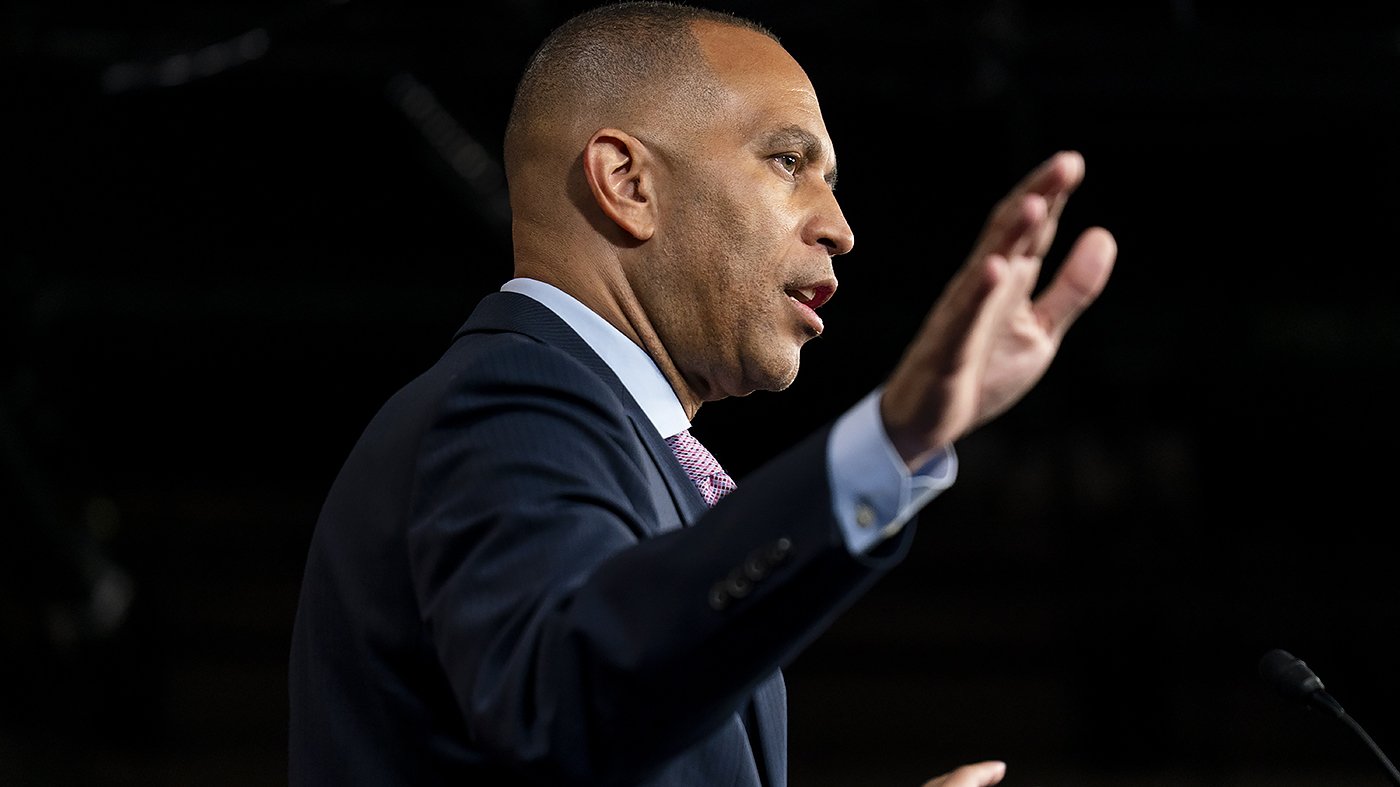
House Minority Leader Hakeem Jeffries issued a stark warning to Republican lawmakers on Tuesday, demanding they "stop the madness" and restrain President Donald Trump after he posted an apocalyptic threat against Iran on his Truth Social platform. The Democratic leader's call came as tensions escalated toward an 8 p.m. Eastern deadline set by the president for Iran to strike a deal and reopen the strategic Strait of Hormuz.
"Congress must immediately end this reckless war of choice in Iran before Donald Trump plunges us into World War III," Jeffries wrote on the social media platform X. "It's time for every single Republican to put patriotic duty over party and stop the madness." The New York Democrat concluded his message with a single word: "Enough."

Trump's Ultimatum and Civilizational Threat
The president's post, which Jeffries was responding to, warned that unless Iran does "something revolutionarily wonderful," then a "whole civilization will die tonight, never to be brought back again." Trump added that "we will find out tonight, one of the most important moments in the long and complex history of the World." This followed his Easter Sunday declaration referring to Tuesday as "Power Plant Day, and Bridge Day," threatening strikes against Iranian electrical infrastructure and bridges.
In the same Tuesday post, Trump wrote: "47 years of extortion, corruption, and death, will finally end. God Bless the Great People of Iran!" The administration has previously stated it does not intend to deploy ground troops to Iran, though Trump told The Hill on Sunday he has not ruled out that option if Tehran refuses a deal.
Schumer Joins Condemnation as GOP Unease Grows
Senate Minority Leader Chuck Schumer echoed Jeffries's alarm, accusing Trump of being an "extremely sick person" in his own social media statement. "Each Republican who refuses to join us in voting against this wanton war of choice owns every consequence of whatever the hell this is," Schumer wrote. Their coordinated response highlights Democratic strategy to pressure Republicans who have shown increasing discomfort with the administration's Iran policy.
Some Republican lawmakers have grown weary of the administration's handling of the conflict that began with the U.S.-Israeli joint attack on February 28. Senator John Curtis of Utah has suggested Congress should intervene if hostilities extend beyond 60 days. Other GOP members have pushed back on Pentagon funding requests for Iran operations and voiced opposition to deploying ground troops. While some House Republicans plan to introduce another war powers resolution, it remains unclear how much support such a measure would garner.
Cross-Party Criticism and 25th Amendment Talk
The president's threat drew rare bipartisan criticism, including from former Republican Representative Marjorie Taylor Greene. She called for invoking the 25th Amendment to remove Trump from office, writing: "Not a single bomb had dropped on America. We cannot kill an entire civilization. This is evil and madness."
Iran has firmly rejected U.S. peace proposals, with its foreign ministry stating it "firmly refuses any negotiations conducted under the shadow of illegal sanctions, military threats, or coercion." The country has reportedly been mobilizing civilians ahead of the deadline, while U.S. forces have already conducted strikes on Iranian military positions.
Broader Political Repercussions Loom
The escalating crisis threatens to have significant political consequences beyond immediate national security concerns. Some analysts note that historical patterns suggest prolonged military engagement could damage Republican prospects in future elections, particularly if accompanied by rising costs and declining presidential approval ratings.
As the deadline approaches, the situation represents one of the most severe tests of congressional war powers in recent history, with Democratic leadership attempting to rally bipartisan opposition to what they characterize as presidential overreach. The outcome may determine not only the immediate trajectory of U.S.-Iran relations but also the balance of power between the executive and legislative branches in matters of war and peace.