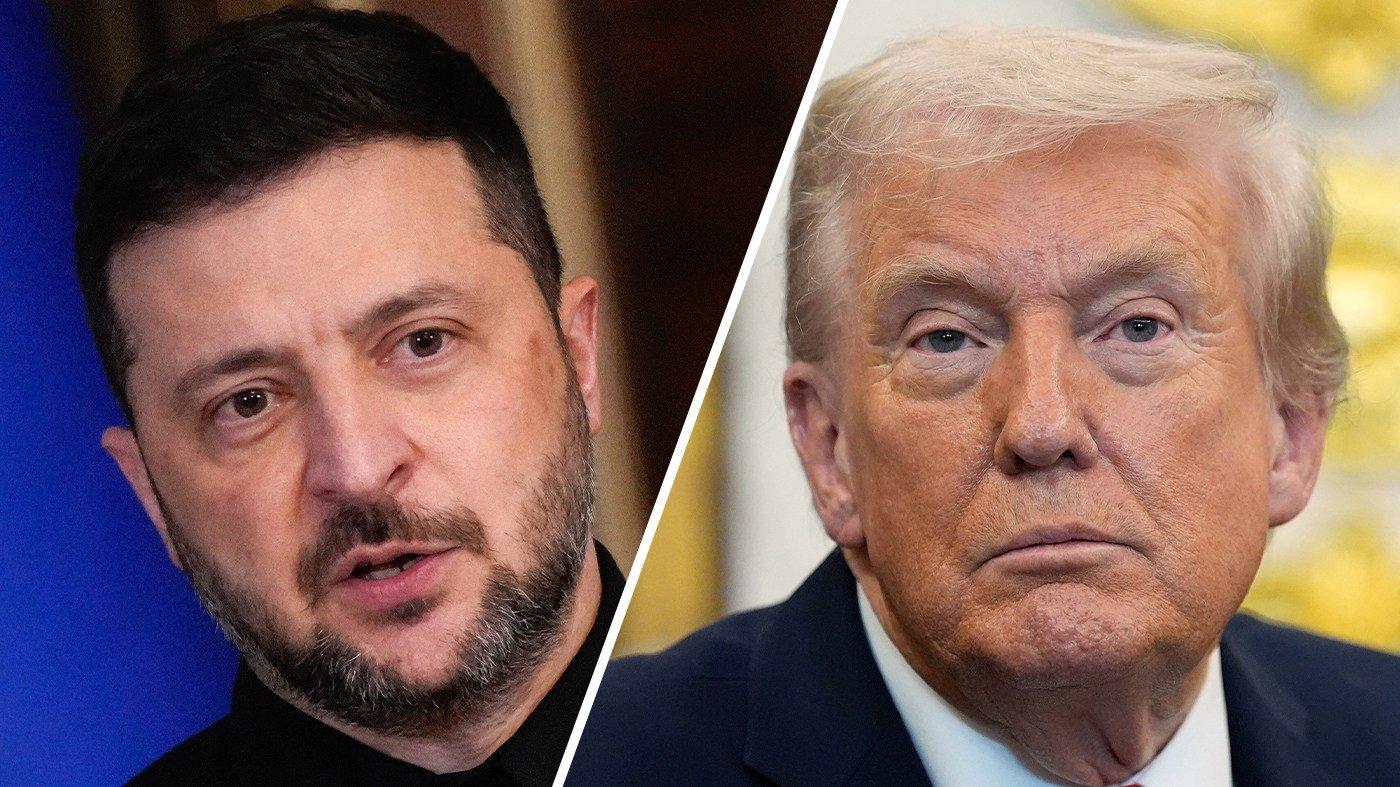
President Donald Trump issued a grave warning to Iran on Tuesday morning, stating that "a whole civilization will die tonight, never to be brought back again" in a social media post. The message came approximately twelve hours before his 8:00 PM Eastern Daylight Time deadline for Tehran to reopen the strategic Strait of Hormuz and return to negotiations.
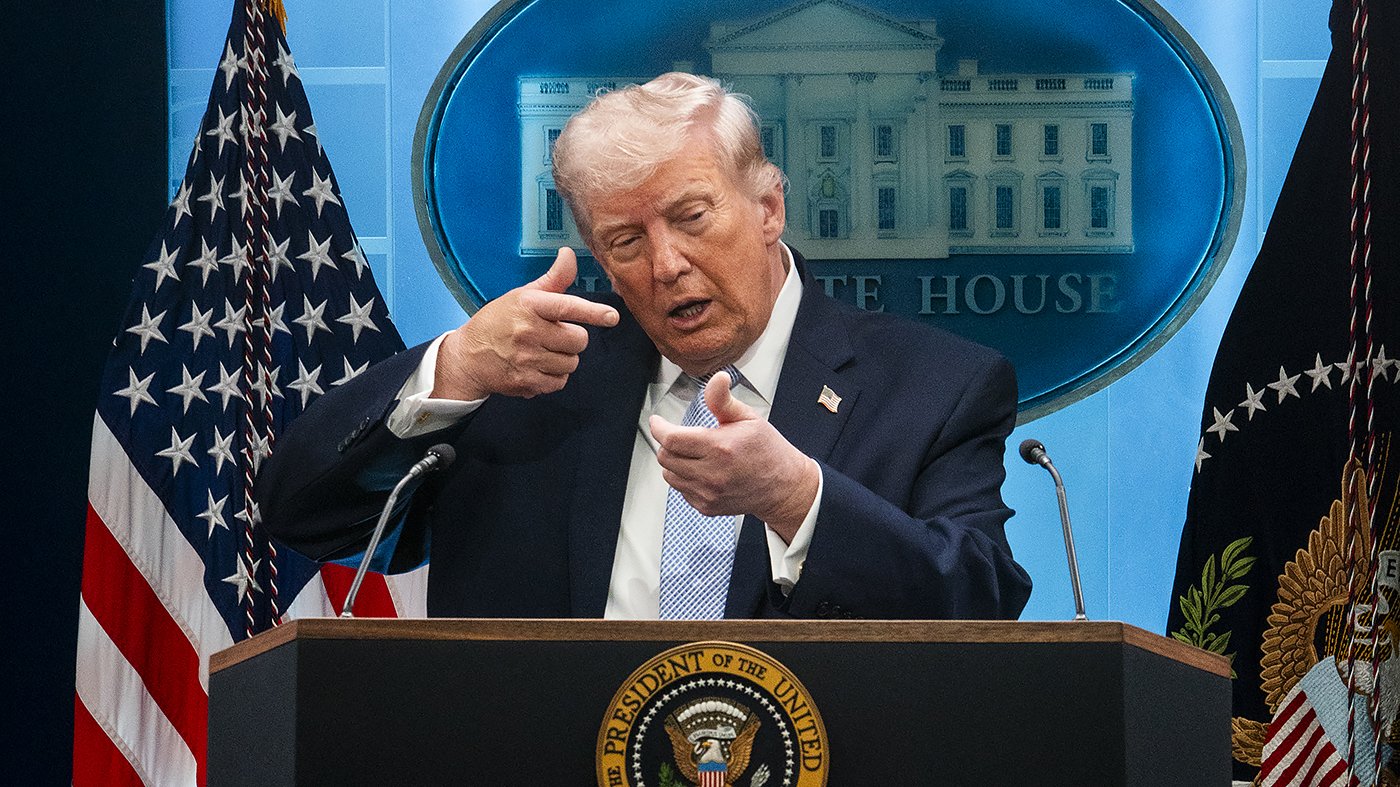
The president reinforced his ultimatum during a White House press conference on Monday, telling reporters that failure to comply would leave Iran with "no bridges, no power plants." This escalation follows Tehran's rejection of a third-party peace proposal earlier in the day, which the Trump administration dismissed as insufficient.
Military Tensions Mount
The confrontation has entered its sixth week, with the United States maintaining military pressure. American forces conducted a second strike on Iran's Kharg Island as the deadline approached, targeting key infrastructure. Meanwhile, Iran has reportedly mobilized civilians as human shields around critical sites, raising international concerns about potential casualties.
Republican support for the ongoing conflict shows signs of strain. Several GOP lawmakers have expressed reservations about deepening military engagement in the Middle East. This growing congressional unease coincides with the Pentagon's abrupt cancellation of a high-stakes Iran briefing scheduled for hours before the deadline, adding to the atmosphere of uncertainty.
Domestic Political Context
The international crisis unfolds alongside significant domestic political developments. Wisconsin is holding a state Supreme Court election while Georgia conducts a special House election, with both contests viewed as potential indicators of shifting political currents ahead of the next national election cycle.
Trump's aggressive posture toward Iran has drawn criticism from unexpected quarters. Conservative commentator Tucker Carlson recently condemned the president's earlier social media threats against Iran as "vile," highlighting divisions within the right-wing media landscape over foreign policy.
Vance's Diplomatic Mission
Vice President J.D. Vance is currently in Hungary, where he will deliver remarks at a Day of Friendship event on Tuesday morning. His visit comes as Prime Minister Viktor Orbán's political party trails in polls ahead of Saturday's parliamentary elections, representing a significant diplomatic engagement during a tense European political moment.
The administration continues to pursue multiple policy fronts simultaneously. Beyond the Iran crisis, the Education Department has nullified Title IX gender identity agreements with six school districts, while the president has maintained his focus on domestic judicial matters, recently criticizing Supreme Court rulings on birthright citizenship and tariffs.
As the deadline approaches, regional stability hangs in the balance. The Strait of Hormuz remains a critical global chokepoint for oil shipments, and military analysts warn that any permanent closure or sustained conflict could trigger broader economic and security consequences beyond the immediate theater of operations.