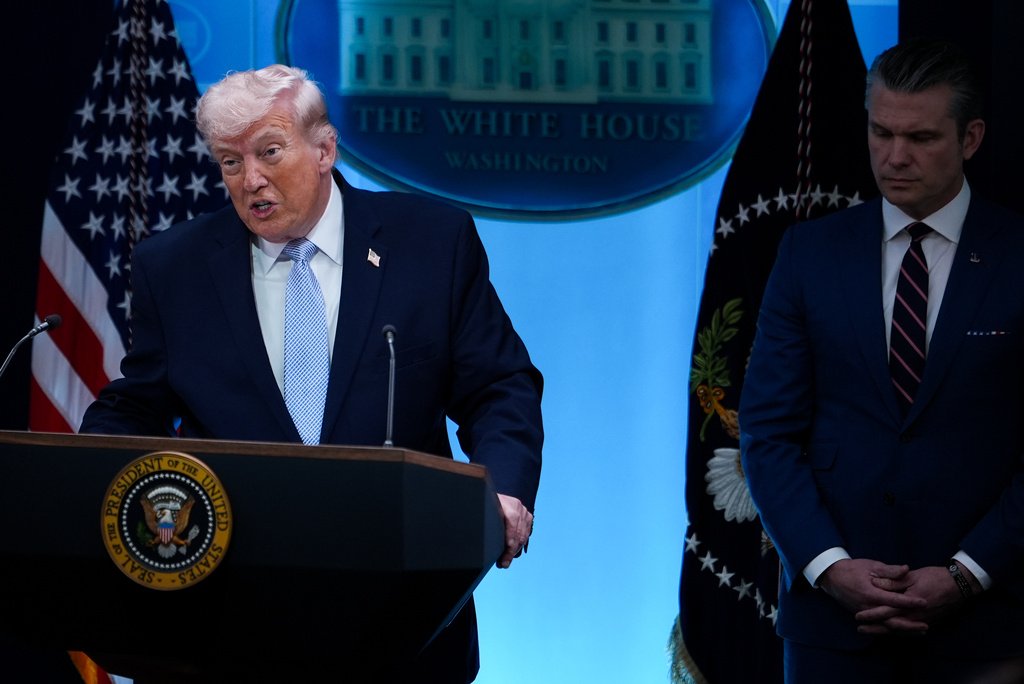
Political strategists are sounding alarms that the current political landscape bears striking resemblance to the conditions that produced the 2006 Democratic wave election, raising significant concerns for Republican prospects in the 2026 midterms. That year, Democrats seized control of both chambers of Congress and flipped numerous governorships in a sweeping rebuke of Republican governance.
The 2006 Blueprint for Defeat
The 2006 midterms delivered a devastating blow to Republicans. Democrats gained 31 House seats to reclaim the chamber 233-202 and narrowly took the Senate 51-49. At the state level, Democrats flipped the governor count from 22-28 Republican to 28-22 Democratic and gained total control of four additional state legislatures.
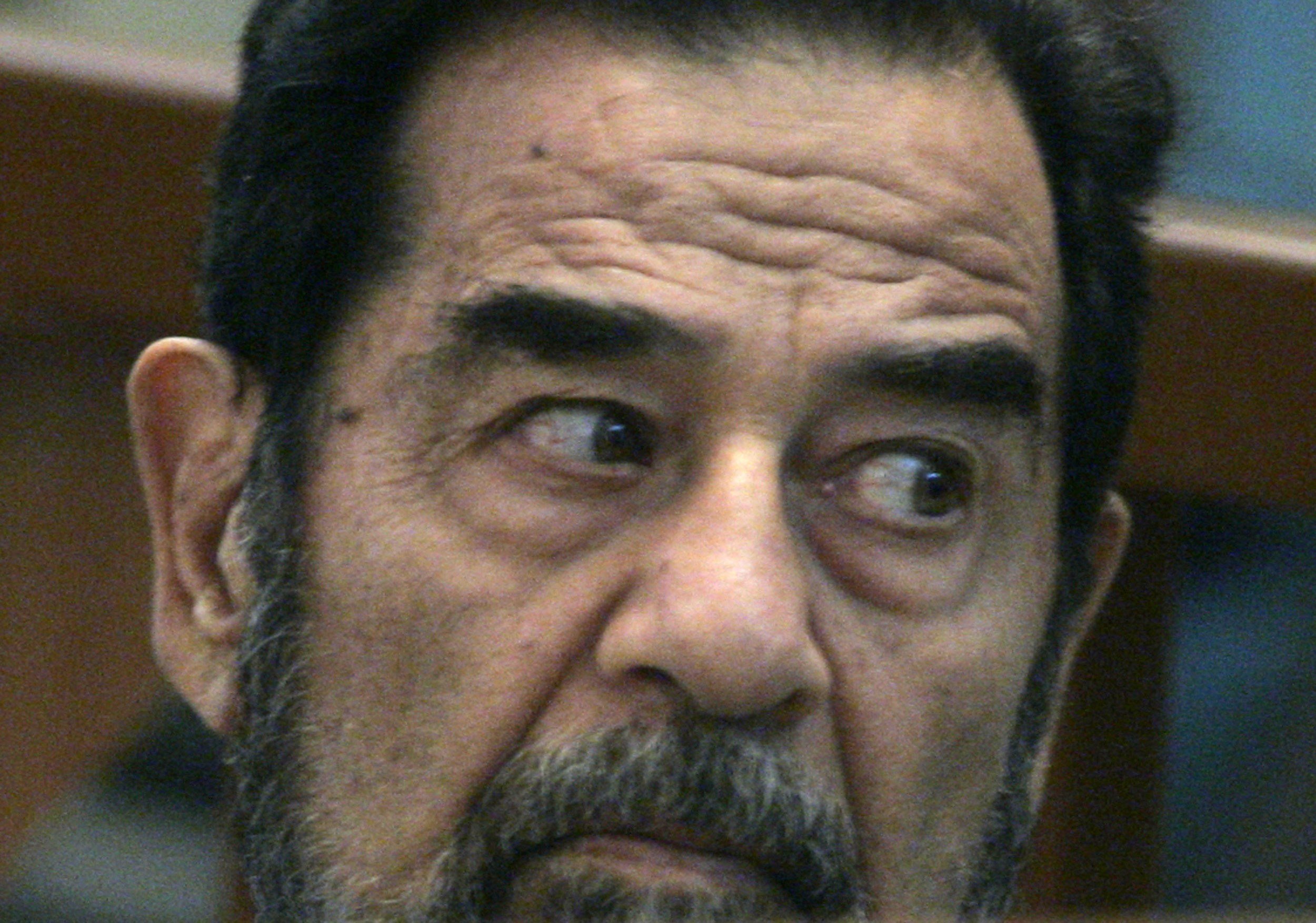
Three primary factors drove that Republican rout: the increasingly unpopular Iraq War, President George W. Bush's sinking approval ratings, and growing voter anxiety about government spending and economic stability. Today, similar dynamics appear to be converging.
Parallels in Presidential Standing and Military Conflict
President Trump's approval ratings mirror those of his predecessor before the 2006 election. Gallup recorded Bush's approval at 38% in December 2006; Trump's stood at 37% last December before the organization paused tracking. Current averages place his approval around 40.9%, dangerously low for a president whose party faces midterm elections.
The Iran conflict presents another parallel. Unlike Bush's effort to build international and domestic consensus for Iraq, Trump launched military action against Iran without seeking congressional authorization or building allied support. The war has been unpopular from its outset, with Republican support showing signs of erosion as costs mount. The conflict could depress Republican turnout and energize Democratic voters much as Iraq did in 2006.
Fiscal Pressures and Political Vulnerability
Government spending represents a particular vulnerability for Republicans, who traditionally campaign on fiscal restraint. The Iran war reportedly costs over $1 billion daily, requiring supplemental funding that could exceed $200 billion. This comes amid already troubling deficit projections.
The Congressional Budget Office forecasts a $1.9 trillion deficit for 2026, which would push total federal debt above $40 trillion—before war costs are included. Trump's claims about reducing deficits through tariffs contradict Treasury data showing a $1.78 trillion deficit in his first year, only slightly below Biden's final $1.83 trillion.
This fiscal reality creates what one strategist called "a messaging nightmare" for Republicans. As former White House Press Secretary Kayleigh McEnany recently warned, the party faces an uphill battle to maintain congressional control even under normal circumstances.
Economic Headwinds and Electoral Consequences
Economic concerns, which began surfacing before the 2006 election ahead of the Great Recession, are reemerging. Financial strains in the private credit industry, major corporate layoffs, sporadic hiring, and potential war-induced inflation could further sway voters seeking change.
Current generic congressional polling shows Democrats leading by approximately 6.0 points seven months before the election. While narrower than the 9.6-point advantage they held on Election Day 2006, the trend suggests Democrats are positioned to capitalize on Republican vulnerabilities. Recent polling indicates Democrats are gaining ground with both chambers potentially in play.
The Path Forward and Historical Caveats
Republicans have time to change this trajectory, but midterm elections historically favor the opposition party, especially during periods of presidential unpopularity. The party must navigate internal divisions over foreign policy, spending, and election strategy—including in states like California where primary approaches may jeopardize general election chances.
While historical parallels don't guarantee identical outcomes, they provide warning signs that Republican strategists cannot ignore. The convergence of an unpopular war, weak presidential approval, fiscal concerns, and economic uncertainty creates conditions that could produce another wave election—this time against the party currently in power.